No Fruit Pictures on Flavoured Drink Packs, National Assembly Panel
Pakistan's National Assembly Standing Committee on Food Security has proposed stricter regulations for flavoured drink packaging to improve consumer safety and transparency. The committee recommended banning fruit images on packaging unless the drink genuinely contains th…
Intelligence analysis by Llama
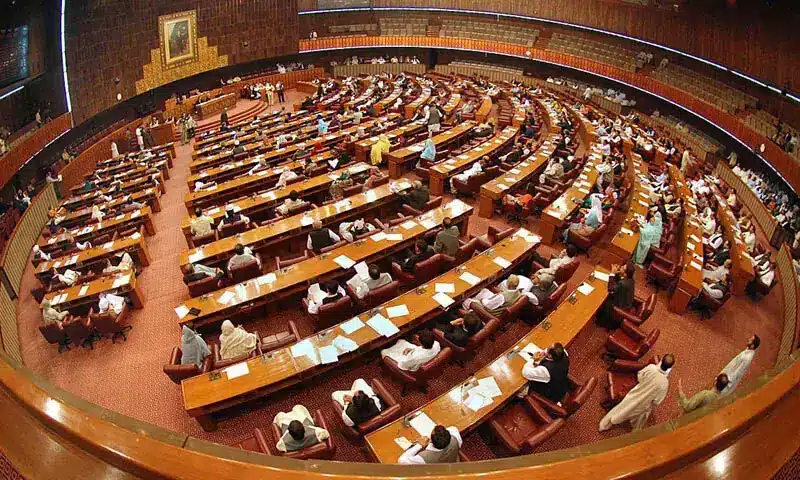
Pakistan's National Assembly Standing Committee on Food Security has proposed stricter regulations for flavoured drink packaging to improve consumer safety and transparency. The committee recommended banning fruit images on packaging unless the drink genuinely contains that fruit, and also proposed mandatory health warnings stating that flavoured drinks are not suitable for children u…
The National Assembly Standing Committee on Food Security is trying to make sure that food packaging is honest and safe for everyone, especially children and pregnant women. They want to make sure that if a drink has a picture of a fruit on it, it actually has that fruit inside.
Analysis
A Call for Transparency in Food Packaging
The National Assembly Standing Committee on Food Security has taken a crucial step towards improving consumer safety and transparency in the food industry by proposing stricter regulations for flavoured drink packaging. The committee's recommendations aim to prevent misleading packaging that may deceive consumers into purchasing products that do not contain the claimed ingredients. This move is a significant step towards protecting the health and well-being of the Pakistani population, particularly children, pregnant women, and breastfeeding mothers.
The Impact of Misleading Packaging
Misleading packaging can have severe consequences on consumer health, particularly for vulnerable populations such as children, pregnant women, and breastfeeding mothers. The proposed regulations aim to prevent the use of fruit images on packaging unless the drink genuinely contains that fruit. This move will help to prevent consumers from making uninformed purchasing decisions that may put their health at risk.
Strengthening Food Safety Standards
The committee's recommendations also propose mandatory health warnings stating that flavoured drinks are not suitable for children under 13, pregnant women, and breastfeeding mothers. This move will help to raise awareness among consumers about the potential health risks associated with flavoured drinks. Additionally, the committee will continue reviewing regulations aimed at strengthening food safety standards across the country. This move will help to ensure that food products sold in Pakistan meet international standards of quality and safety.
Key points
- Pakistan's National Assembly Standing Committee on Food Security has proposed stricter regulations for flavoured drink packaging to improve consumer safety and transparency.
- The committee recommended banning fruit images on packaging unless the drink genuinely contains that fruit.
- Mandatory health warnings will be required stating that flavoured drinks are not suitable for children under 13, pregnant women, and breastfeeding mothers.
- The committee will continue reviewing regulations aimed at strengthening food safety standards across the country.
If the proposed regulations are implemented, it could lead to a significant improvement in consumer safety and transparency in the food industry. This could also lead to increased consumer trust in food products and a reduction in the number of cases related to food-borne illnesses.
If the proposed regulations are not implemented, it could lead to continued consumer deception and potential health risks associated with flavoured drinks. This could also lead to a loss of consumer trust in food products and a decrease in the overall quality of food products sold in Pakistan.