No Mercy in the Battle of Ali Taher!
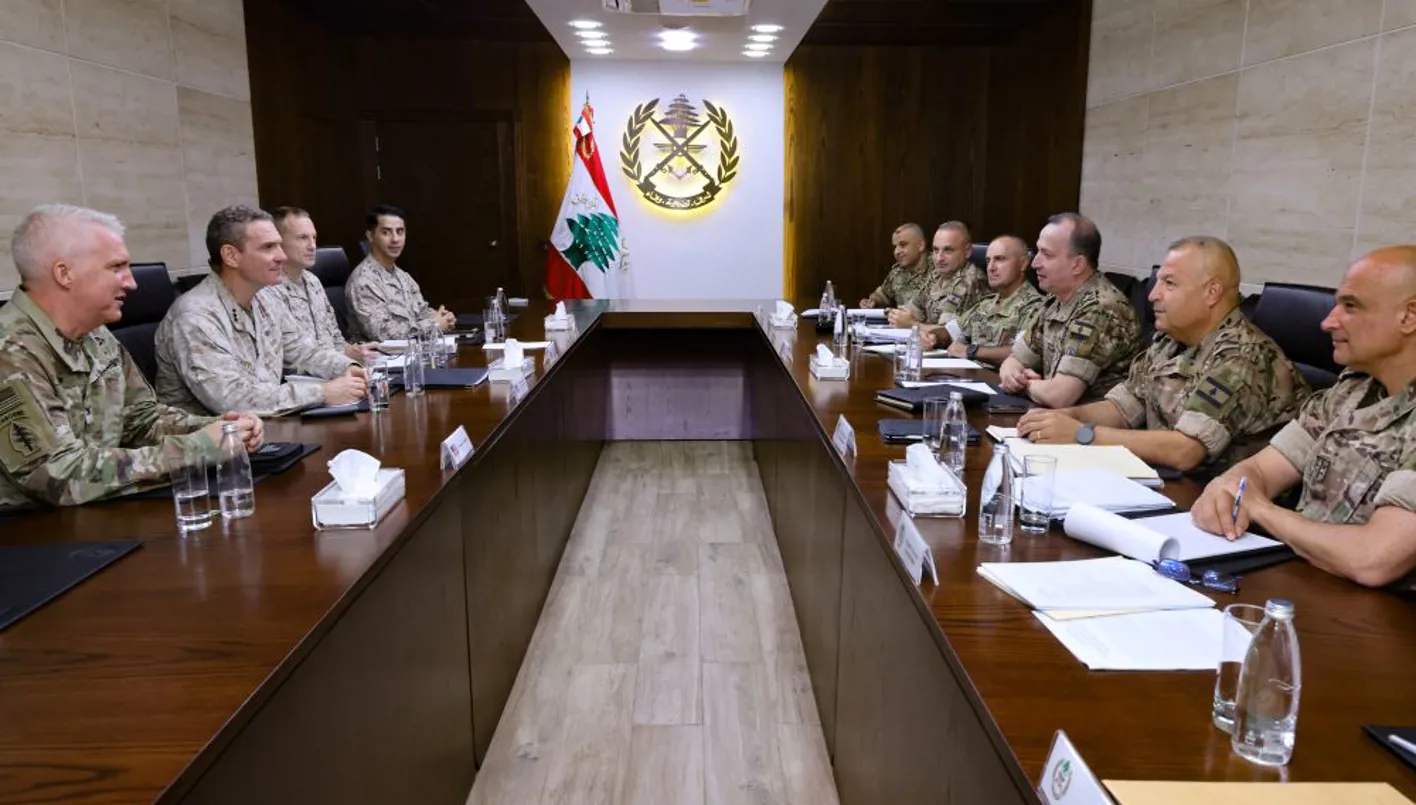
The Lebanese government is under pressure to prevent a war in the Ali Taher area, as the US and Iran agree to extend their 60-day ceasefire. Meanwhile, Hezbollah is resisting the government's decision to disarm and is seeking to maintain its military capabilities.
Intelligence analysis by Llama
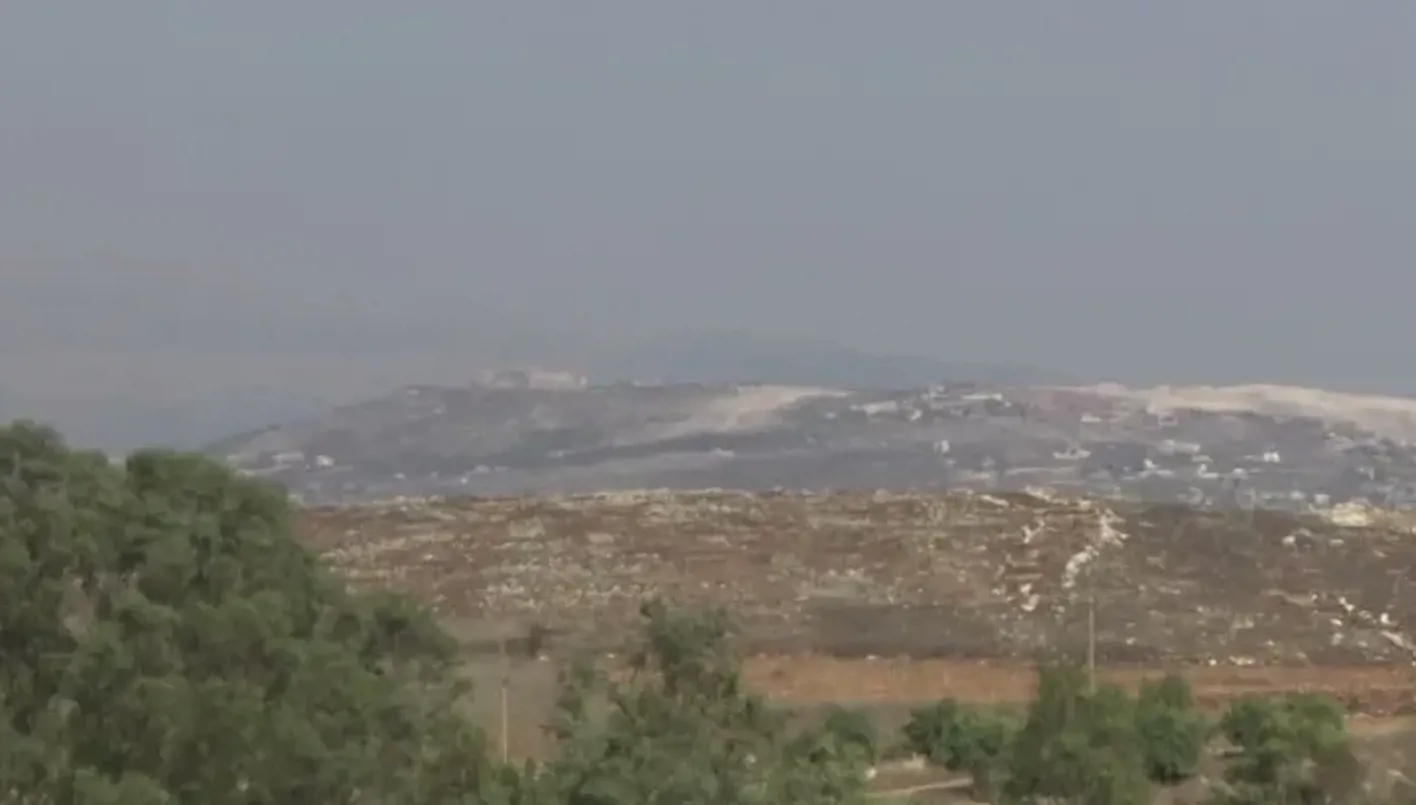
The US and Iran have agreed to extend their 60-day ceasefire, but the situation in Lebanon remains tense. Hezbollah is resisting the government's decision to disarm and is seeking to maintain its military capabilities. The Lebanese government is under pressure to prevent a war in the Ali Taher area.
Imagine a big fight between two groups, Hezbollah and the Lebanese government. The US and Iran are trying to make them stop fighting, but it's not easy. Hezbollah wants to keep its guns to protect Lebanon, but the government thinks it's a threat. If they don't stop fighting, it could hurt a lot of people and damage the country.
Analysis
The Battle of Ali Taher: A Critical Moment for Lebanon
The situation in Lebanon is reaching a boiling point, with the US and Iran's ceasefire agreement hanging in the balance. The Lebanese government is under pressure to prevent a war in the Ali Taher area, but the resistance from Hezbollah is making it difficult to achieve a peaceful resolution.
Hezbollah's leader, Hassan Nasrallah, has been vocal in his opposition to the government's decision to disarm. He argues that the group's military capabilities are necessary to protect Lebanon from Israeli aggression. The government, on the other hand, sees Hezbollah's actions as a threat to national security and stability.
The US and Iran's ceasefire agreement is a temporary solution to the conflict, but it does not address the underlying issues. The real challenge lies in maintaining stability in the region, and the Lebanese government's decision to disarm Hezbollah is a critical step in achieving this goal.
The Consequences of War
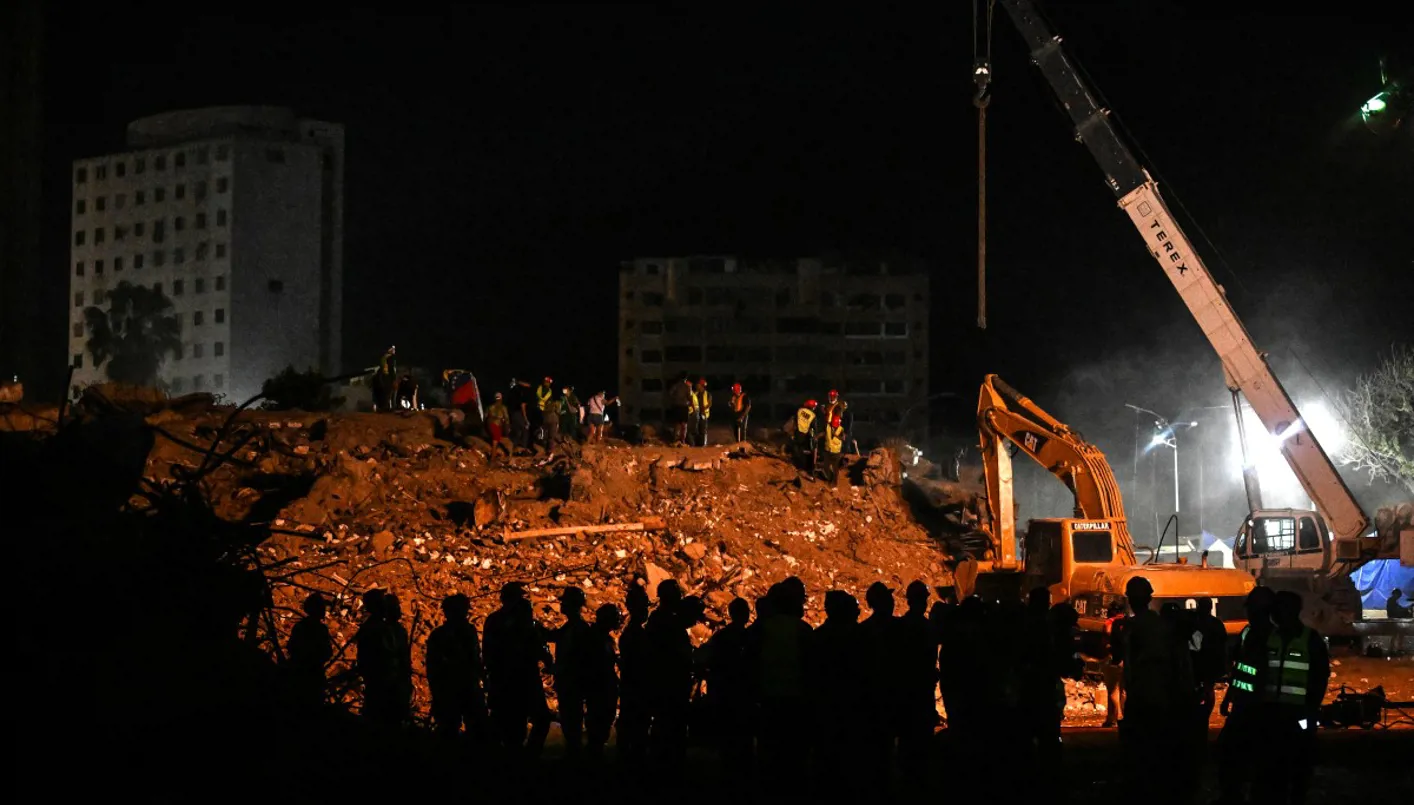
A war in the Ali Taher area would have devastating consequences for Lebanon and the region. The country's infrastructure would be severely damaged, and the civilian population would suffer greatly. The economic impact would be significant, and the country's stability would be threatened.
The Path Forward
The Lebanese government must take a firm stance against Hezbollah's resistance and work towards a peaceful resolution. The US and Iran's ceasefire agreement is a good starting point, but it is not a long-term solution. The government must work towards a more sustainable solution that addresses the underlying issues and maintains stability in the region.
Key points
- The US and Iran have agreed to extend their 60-day ceasefire.
- Hezbollah is resisting the government's decision to disarm.
- The Lebanese government is under pressure to prevent a war in the Ali Taher area.
- The situation in Lebanon is critical, and a war could have devastating consequences.
- The government must take a firm stance against Hezbollah's resistance and work towards a peaceful resolution.
If the Lebanese government and Hezbollah can work together to find a peaceful solution, it could lead to a more stable and secure region. The US and Iran's ceasefire agreement is a good start, and with continued efforts, it's possible to achieve a lasting peace.
If the conflict escalates, it could lead to a devastating war that would have severe consequences for Lebanon and the region. The civilian population would suffer greatly, and the economic impact would be significant.