‘No pullout until Hamas disarms’: Why Israel rejects Trump’s Gaza peace plan
Israel has rejected a US-backed plan for Gaza, with Prime Minister Netanyahu saying troops won't leave until Hamas fully disarms. Iran and Oman are close to a deal over the Strait of Hormuz, but Iran says the strait won't fully reopen until the US meets tough conditions.
Intelligence analysis by Llama
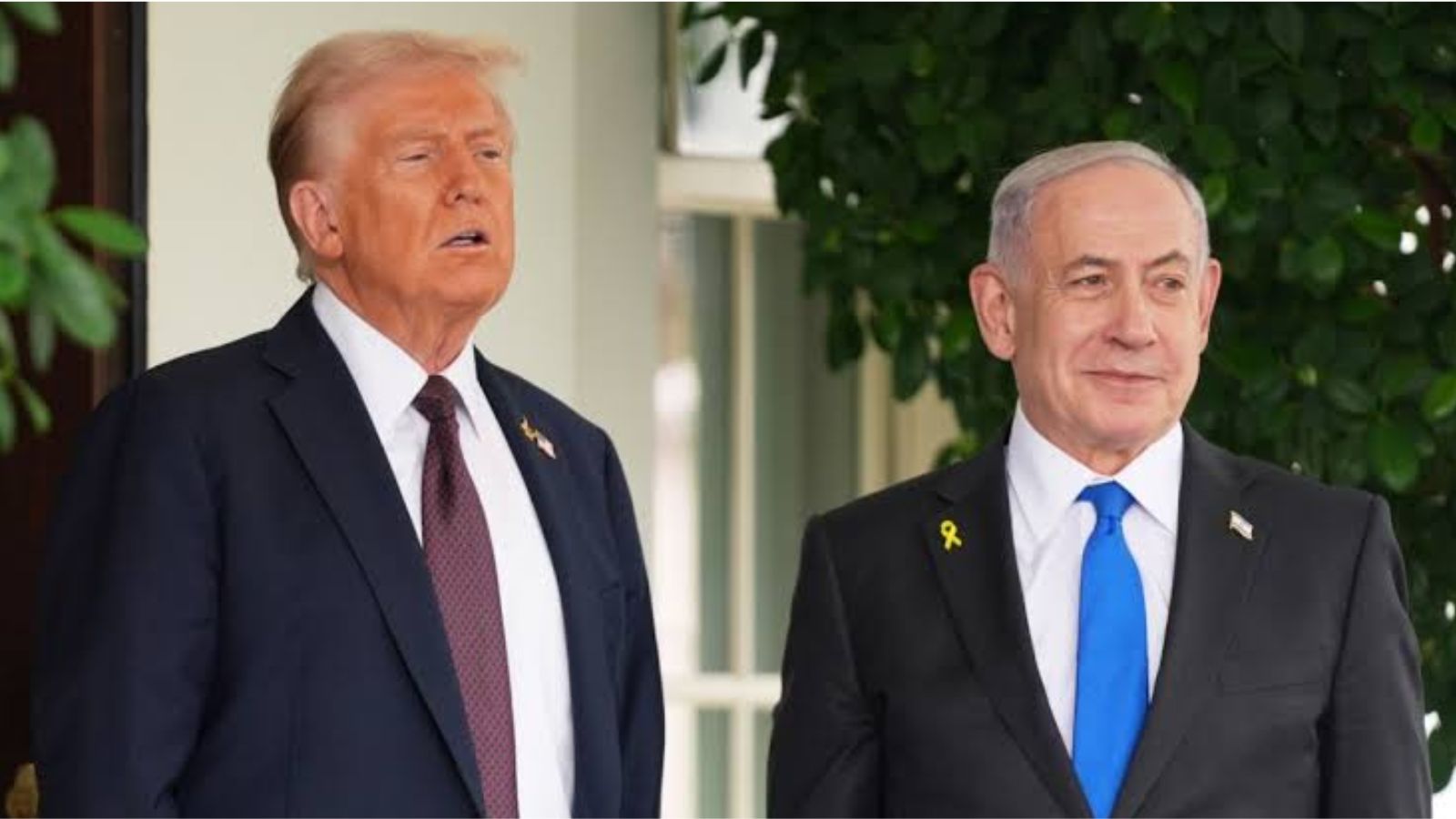
Israel has rejected a US-backed peace plan for Gaza, with Prime Minister Netanyahu saying troops won't leave until Hamas disarms. Iran and Oman are close to a deal over the Strait of Hormuz, but Iran has set tough conditions for the strait's reopening.
Imagine you're playing a game with your friends, and one of your friends has a toy that they won't give back until they get a new toy. That's kind of like what's happening in Gaza right now. Israel has a toy (Gaza) that they won't give back until Hamas (the friend) gives up their own toys (weapons). This is a big problem because it's causing a lot of suffering for the people of Gaza.
Analysis
Israel's Rejection of the US-Backed Peace Plan for Gaza
Israel's rejection of the US-backed peace plan for Gaza is a significant development in the region. Prime Minister Netanyahu's statement that troops will not leave Gaza until Hamas is fully disarmed is a clear indication of Israel's stance on the issue. The US had suggested that Israeli troops would pull back once Hamas gave up its weapons, but Israel has rejected this proposal. This rejection is likely to have significant implications for the region, particularly for the people of Gaza who have suffered massive destruction and displacement.
Iran's Conditions for the Reopening of the Strait of Hormuz
Iran and Oman are reportedly close to a temporary deal that would allow ships to pass through the Strait of Hormuz fee-free. However, Iran has set tough conditions for the strait's reopening, including the lifting of sanctions, the ending of military threats, and compensation for war damage. The US has not responded to these demands directly, which has raised concerns about the potential for further conflict in the region.
Implications for Regional Stability
The ongoing tensions in the Middle East have significant implications for regional stability and global politics. The rejection of the US-backed peace plan for Gaza and the conditions set by Iran for the reopening of the Strait of Hormuz are likely to have far-reaching consequences for the region. The international community will be closely watching these developments and will likely be involved in efforts to resolve the crisis.
Key points
- Israel has rejected a US-backed peace plan for Gaza.
- Prime Minister Netanyahu has said that troops will not leave Gaza until Hamas is fully disarmed.
- Iran and Oman are reportedly close to a temporary deal on the Strait of Hormuz.
- Iran has set tough conditions for the strait's reopening, including the lifting of sanctions and compensation for war damage.
- The US has not responded to Iran's demands directly.
If the US and Israel can come to an agreement on the peace plan for Gaza, it could lead to a significant reduction in violence and a improvement in the lives of the people of Gaza. Additionally, if Iran and Oman can reach a deal on the Strait of Hormuz, it could help to ease tensions in the region and improve global trade.
If the US and Israel cannot come to an agreement on the peace plan for Gaza, it could lead to further escalation of violence and a worsening of the humanitarian crisis in Gaza. Additionally, if Iran's conditions for the reopening of the Strait of Hormuz are not met, it could lead to further conflict in the region and a deterioration of global trade.