North Korea sending 30,000 troops to Russia is a ‘win-win’: analysts
North Korea is reportedly sending 30,000 troops to Russia in support of its war in Ukraine, marking a deepening of the two countries' defence ties and a major escalation of Pyongyang's involvement in the conflict, if confirmed.
Intelligence analysis by Llama
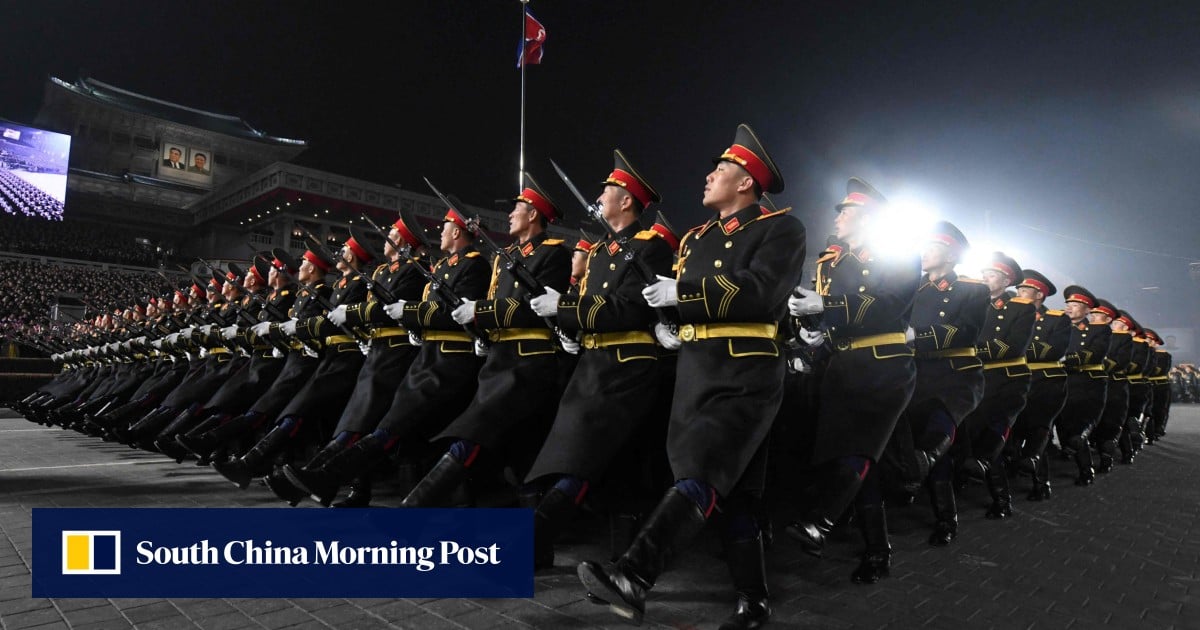
North Korea's deployment of troops to Russia is a 'win-win' deal for both countries, offering Russia cheap frontline troops and Pyongyang money and military technology in return.
Imagine North Korea and Russia are friends who want to help each other. North Korea is sending 30,000 soldiers to Russia to help it fight a war in Ukraine. This is good for both countries because North Korea gets money and military technology from Russia, and Russia gets cheap soldiers. But it's also a bit scary because it could lead to a bigger war involving other countries.
Analysis
A New Era of Defence Cooperation Between North Korea and Russia
North Korea's decision to send 30,000 troops to Russia in support of its war in Ukraine marks a significant escalation of Pyongyang's involvement in the conflict. This move is a 'win-win' deal for both countries, offering Russia a cost-effective way to recruit soldiers while Pyongyang receives money and military technology in return.
The Strategic Implications of North Korea's Deployment
The deployment of North Korean troops to Russia has significant strategic implications for the conflict in Ukraine. It allows Russia to maintain a strong military presence in the region without having to mobilize its own troops, which could be a major blow to its economy. At the same time, North Korea benefits from the financial and military support it receives from Russia, which could help to boost its own military capabilities.
The Potential Risks and Consequences of North Korea's Involvement
However, North Korea's involvement in the conflict in Ukraine also carries significant risks and consequences. If the conflict were to escalate, it could lead to a wider regional conflict involving other countries, including the United States and China. Additionally, North Korea's involvement in the conflict could also lead to increased tensions between North Korea and South Korea, which could have significant implications for regional stability.
Conclusion
In conclusion, North Korea's decision to send 30,000 troops to Russia in support of its war in Ukraine marks a significant escalation of Pyongyang's involvement in the conflict. This move is a 'win-win' deal for both countries, offering Russia cheap frontline troops and Pyongyang money and military technology in return. However, it also carries significant risks and consequences, including the potential for a wider regional conflict and increased tensions between North Korea and South Korea.
Key points
- North Korea is reportedly sending 30,000 troops to Russia in support of its war in Ukraine.
- The deployment is a 'win-win' deal for both countries, offering Russia cheap frontline troops and Pyongyang money and military technology in return.
- The deployment has significant strategic implications for the conflict in Ukraine, allowing Russia to maintain a strong military presence without mobilizing its own troops.
- North Korea's involvement in the conflict carries significant risks and consequences, including the potential for a wider regional conflict and increased tensions between North Korea and South Korea.
If North Korea's involvement in the conflict in Ukraine leads to a peaceful resolution, it could lead to increased cooperation between North Korea and Russia, and potentially even with other countries in the region. This could lead to a more stable and secure region, with improved economic and military ties between countries.
However, if North Korea's involvement in the conflict in Ukraine leads to an escalation of the conflict, it could lead to a wider regional conflict involving other countries, including the United States and China. This could have significant implications for regional stability and security, and could even lead to a global conflict.
