Norway's national oil company's profits double to $11.5bn amid war on Iran
Equinor's Q2 profits nearly doubled to $11.5bn as the US-Israel war on Iran pushed Brent crude to between $75 and over $100 a barrel and disrupted Gulf shipping through the strait of Hormuz.
Intelligence analysis by Llama
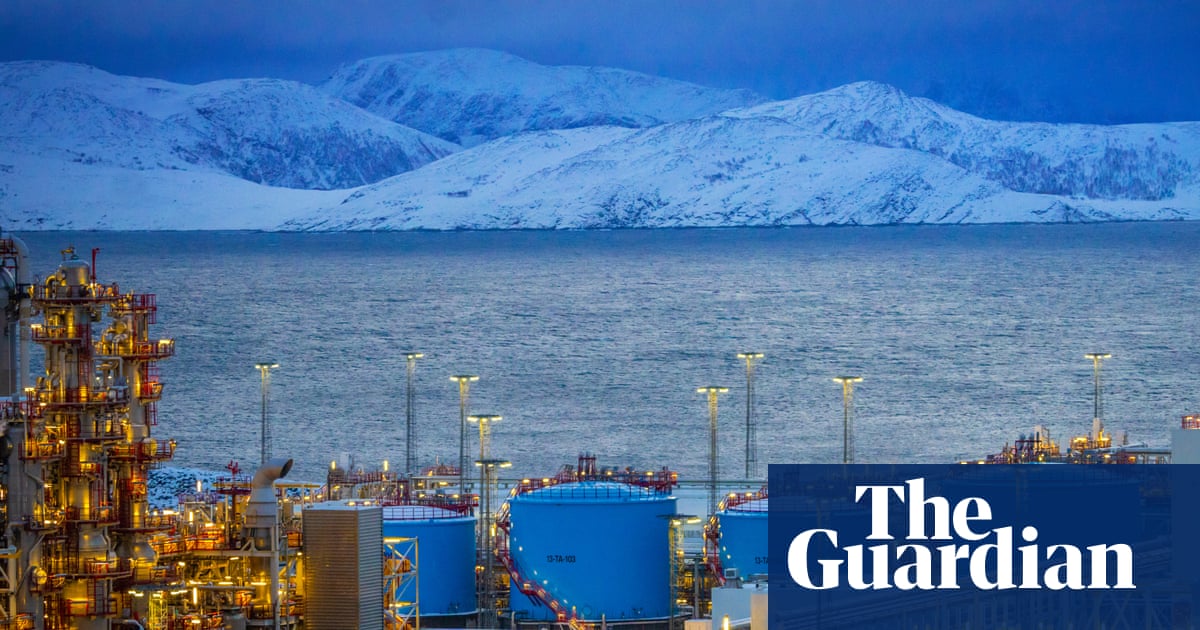
Equinor reported adjusted Q2 profits of $11.5bn, almost double last year's $6.5bn, after ramping up production at the start of the Iran conflict and benefiting from volatile oil prices. Brent crude swung between $75 and $100+ during the quarter as Hormuz shipping stalled.
Norway's biggest oil company made almost twice as much money as last year because the war with Iran made oil more expensive and shipping routes got blocked. Equinor sold more oil at higher prices, but some people are upset that the company is making billions while families struggle with high energy bills.
Analysis
A Windfall Built on Wartime Volatility
Equinor's second-quarter results capture the textbook economics of a wartime commodity boom. Adjusted earnings of $11.5bn came in ahead of analyst forecasts of $11.37bn, and almost doubled the $6.5bn booked in the same period of 2025. The company itself attributes the beat to a combination of higher realised prices and "strong production" that, in CEO Anders Opedal's words, allowed the group to "capture value from higher prices". Brent crude traded between roughly $75 and more than $100 a barrel between April and June, compared with a $60-to-$70 band a year earlier, a swing that alone explains most of the profit uplift. Brent was last seen around $94 a barrel, up about 3% on the day the results were reported.
The Hormuz Squeeze and Equinor's Strategic Bet
The decisive move was operational. Equinor chose to lift production at the outset of the conflict, supplying buyers left short by the near-halt to Gulf oil flows when shipping through the strait of Hormuz collapsed. That decision turned a passive price benefit into an active market share gain. The strategic risk is the opposite side of the same coin: Equinor is now more exposed than its European peers to continued Middle East volatility, and the latest price jump came after the US military launched its 11th night of strikes on Iran and Yemen's Houthi movement announced a naval blockade on Saudi Arabia, adding a Red Sea route risk on top of the Hormuz chokehold. Susannah Streeter of Wealth Club noted Brent had raced back to around $93 a barrel, "the highest level in six weeks," with supply risks "intensifying".
Climate Politics, the UK Billpayer, and the Rosebank Fight
The earnings print lands in a charged UK political context. Climate campaign group Uplift accused Equinor of "raking in billions in profits while millions of people across the UK are struggling with unaffordable energy bills". Its executive director, Tessa Khan, framed the company's lobbying for approval of the Rosebank oilfield off Shetland as a way to "keep those profits flowing", arguing that the field would be "overwhelmingly oil for export" rather than a bill-cutting measure for UK consumers. The appeal was directed at the UK's new prime minister, Andy Burnham, with a call to prioritise renewables over the Norwegian state champion. The episode crystallises the political tension that high-energy-price quarters create for Western governments: a public, state-owned supplier is generating record cash just as households and industrial users face the same prices that produced those earnings.
Key points
- Equinor's Q2 adjusted profits reached $11.5bn, nearly double the $6.5bn booked in the same quarter of 2025 and ahead of the $11.37bn analyst consensus.
- Brent crude swung between $75 and more than $100 a barrel between April and June, versus $60 to $70 in the comparable 2025 period, as the war on Iran and a near-halt to Hormuz shipping tightened Gulf supply.
- Equinor ramped up production at the start of the conflict, capturing market share left short by disrupted Gulf flows; the company is the UK's biggest gas supplier.
- Climate group Uplift attacked the profit surge and urged new UK prime minister Andy Burnham to reject the Rosebank oilfield and accelerate renewables instead.
- Brent was last seen around $94 a barrel after the US launched fresh strikes on Iran and the Houthi movement announced a naval blockade on Saudi Arabia's Red Sea coast.
If diplomatic efforts restore Hormuz transit and stabilise Brent below the $80 mark, Equinor's elevated production base would still deliver a cashflow step-up versus 2025, and the Norwegian state's dividend receipts would benefit, supporting sovereign wealth fund inflows. Sustained high prices would also accelerate the case for new long-cycle Norwegian investment, including tie-back projects around existing Equinor hubs.
Renewed escalation in the strait of Hormuz or a widening of the Houthi naval blockade on Saudi Arabia could push Brent decisively above $100, drawing political backlash in the UK over energy bills and reigniting calls to block Rosebank. A diplomatic breakthrough that crashes oil back toward $60 would erase most of the quarter's pricing tailwind, and any UK regulatory action against Equinor's North Sea expansion would cap the upside of the wartime production ramp.