Not just anacondas: 7 of the Amazon rainforest’s most dangerous animals
The Amazon rainforest is home to many dangerous animals, including jaguars, anacondas, black caimans, and venomous spiders. These creatures rely on venom, powerful jaws, camouflage, or strength to hunt prey or defend themselves.
Intelligence analysis by Llama
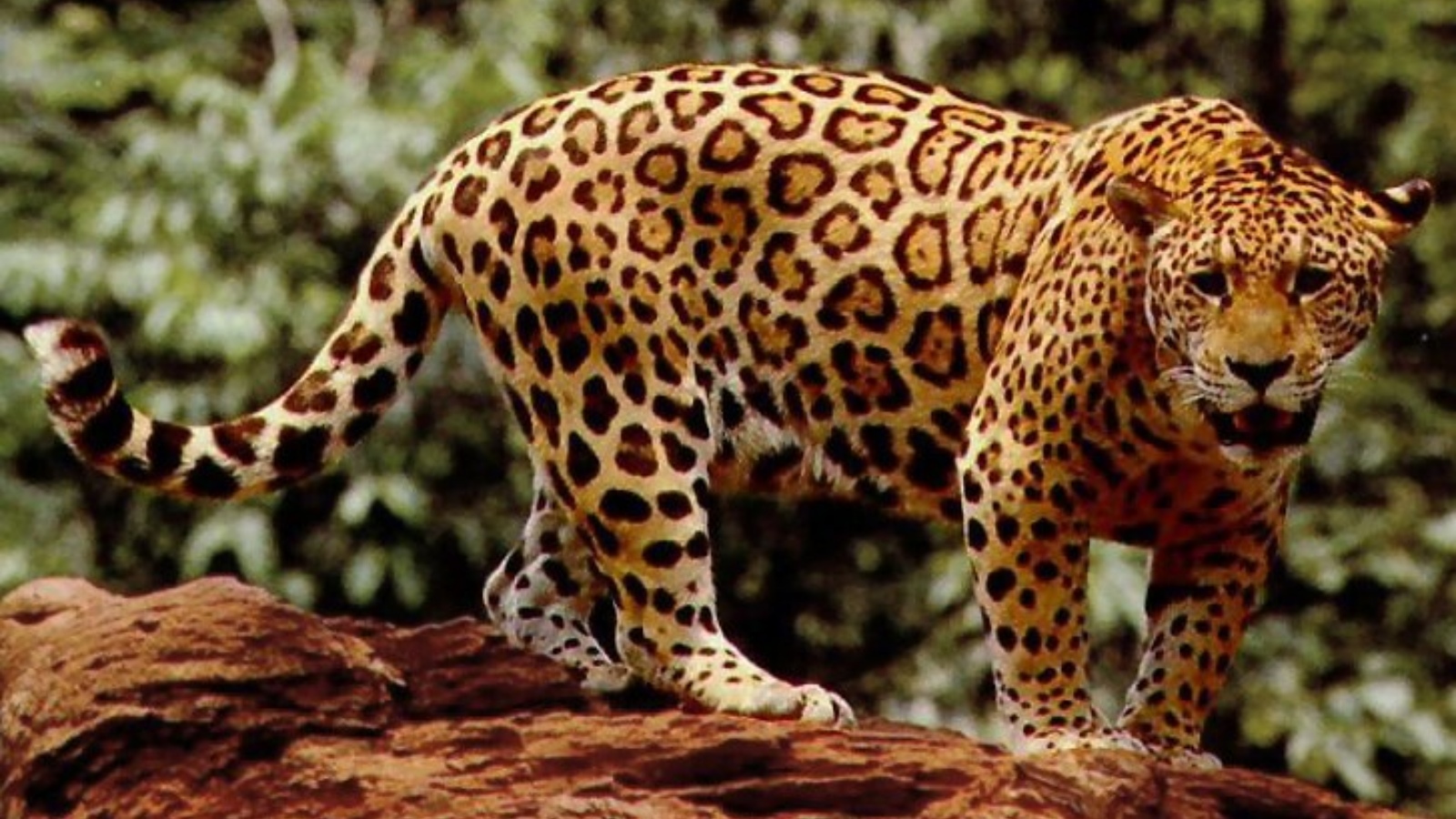
The Amazon rainforest is home to many stealthy predators and tiny venomous creatures that are among the most dangerous inhabitants of the world's largest tropical forest. These animals include jaguars, anacondas, black caimans, and venomous spiders.
The Amazon rainforest is home to many animals that are very good at hiding and can hurt people if they get too close. These animals include jaguars, anacondas, black caimans, and venomous spiders. They use their bodies to catch prey or defend themselves, and some of them can even give people painful stings or bites.
Analysis
The Amazon's Most Dangerous Animals: A Closer Look
The Amazon rainforest is home to an estimated 10% of the world's known biodiversity, making it one of the most diverse ecosystems on the planet. However, beneath its lush canopy and winding rivers lies a world of stealthy predators and tiny venomous creatures that are among the most dangerous inhabitants of the world's largest tropical forest.
One of the Amazon's most iconic and feared predators is the jaguar. As the largest big cat in the rainforest, jaguars are apex predators that have adapted to their environment in remarkable ways. Unlike most cats, jaguars are excellent swimmers and are known to hunt on land and in water. Their exceptionally powerful bite can pierce turtle shells and caiman skulls, making them a force to be reckoned with.
Another animal that commands respect is the green anaconda. One of the world's heaviest snakes, the green anaconda can grow over 20 feet long and spends much of its time hidden in rivers, swamps, and marshes, ambushing prey such as capybaras, deer, caimans, and birds. Rather than using venom, it kills by constriction, making it a formidable predator in its own right.
The black caiman is another animal that deserves attention. As the Amazon's largest crocodilian, reaching lengths of up to six metres, it is an opportunistic predator that feeds on fish, birds, mammals, reptiles, and occasionally larger animals. During the night, when it is most active, it can pose a serious threat near rivers and flooded forests.
In addition to these larger predators, the Amazon is also home to a variety of smaller, but no less deadly, creatures. The Brazilian wandering spider, for example, is often regarded as one of the world's most venomous spiders. It does not build webs to catch prey, instead actively hunting at night and hiding under logs, leaves, or even inside shoes and bags. Its bite can cause severe pain, rapid heartbeat, sweating, and other medical complications, making prompt treatment essential.
The electric eel is another animal that deserves mention. Despite its name, the electric eel is not a true eel but a species of knifefish. It can generate electric shocks of up to 600 volts, which it uses to stun prey and defend itself. While most encounters are non-fatal, a strong shock can cause muscle paralysis, falls, or even drowning if someone is in deep water.
Finally, the poison dart frog and the bullet ant are two creatures that are often overlooked but are no less deadly. The poison dart frog is brightly coloured and serves as a warning that it is highly toxic. Some species secrete potent toxins through their skin that can affect the nervous system. Indigenous communities have traditionally used these toxins on blowgun darts for hunting. Although captive-bred poison dart frogs are generally non-toxic due to differences in diet, wild frogs should never be handled.
The bullet ant, on the other hand, is famous for delivering one of the most painful insect stings known. Victims often describe the pain as intense and long-lasting, sometimes accompanied by swelling, trembling, nausea, and temporary muscle weakness. While not usually life-threatening, multiple stings or allergic reactions can require urgent medical attention.
In conclusion, the Amazon rainforest is home to many dangerous animals that are often overlooked or underestimated. These creatures rely on venom, powerful jaws, camouflage, or strength to hunt prey or defend themselves, making them a force to be reckoned with. By understanding the dangers of the Amazon rainforest, visitors and residents alike can take necessary precautions to stay safe and appreciate the beauty of this incredible ecosystem.
Key points
- The Amazon rainforest is home to many dangerous animals, including jaguars, anacondas, black caimans, and venomous spiders.
- These animals rely on venom, powerful jaws, camouflage, or strength to hunt prey or defend themselves.
- The Amazon rainforest is one of the most diverse ecosystems on the planet, with an estimated 10% of the world's known biodiversity.
- Visitors and residents alike can take necessary precautions to stay safe in the Amazon rainforest and appreciate the beauty of this incredible ecosystem.
If we take the necessary precautions to stay safe in the Amazon rainforest, we can appreciate the beauty of this incredible ecosystem and learn more about the amazing animals that live there.
If we do not take the necessary precautions to stay safe in the Amazon rainforest, we can get hurt by the many dangerous animals that live there, including jaguars, anacondas, black caimans, and venomous spiders.