NParks says white Marsiling community cat found with black residue doing well, no evidence of cruelty
A community cat in Marsiling, nicknamed "Bai Bai," was found with black residue, leading to concerns of abuse. NParks investigated and concluded there was no evidence of cruelty, stating the cat is doing well.
Intelligence analysis by Gemini 2.5 Flash
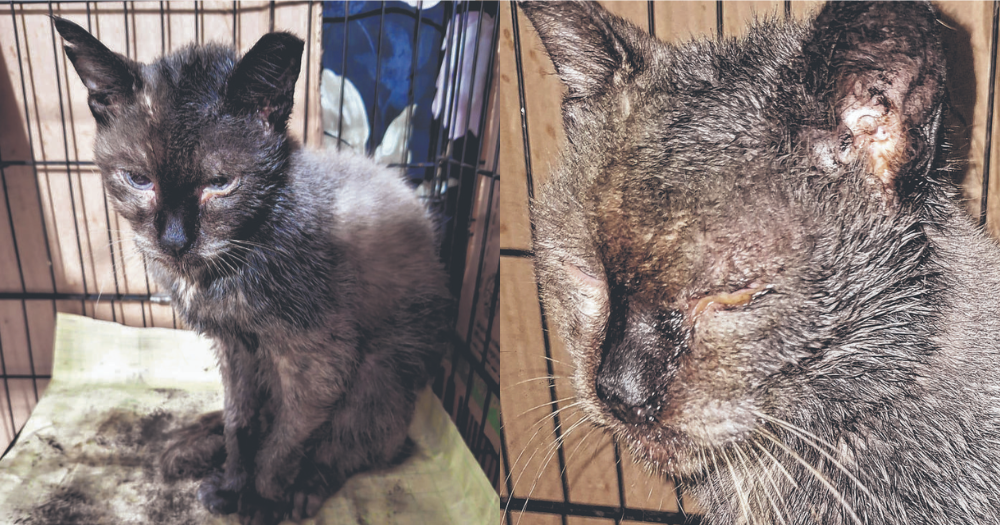
Cat feeders in Marsiling discovered a 10-year-old white community cat, "Bai Bai," covered in what they initially thought was black oil, preventing it from opening its eyes. Fearing abuse, they reported the incident to authorities. NParks investigated, and a veterinarian determined the residue was not oil and washed off easily, with the cat otherwise in good health, leading to a findin…
Imagine a fluffy white cat named Bai Bai who lives outside. One day, some kind people who feed her found her covered in black gunk, making her eyes sticky, and they worried someone had hurt her. They called the animal helpers, NParks, who took Bai Bai to a cat doctor. The doctor found out the black stuff wasn't oil and washed right off, and Bai Bai was perfectly fine! So, it seems she just got a bit messy playing outside, and no one was mean to her.
Analysis
The case of "Bai Bai," the Marsiling community cat, underscores the delicate balance between human-animal coexistence in urban environments and the vigilance of animal welfare advocates. The initial distress of cat feeders, who found the feline in a concerning state, prompted a swift response from the National Parks Board (NParks). Their quick action to investigate suspected cruelty reflects the community's and authorities' commitment to protecting vulnerable animals.
Bai Bai
"Bai Bai," a 10-year-old white community cat, became the focal point of a suspected abuse investigation after being discovered with black residue on its body, including its eyes and ears. The cat feeders, who regularly care for community animals, were deeply concerned by its condition, noting it was crying and appeared frightened. This immediate reaction highlights the strong emotional bond and sense of responsibility many Singaporeans feel towards the stray animal population, often going above and beyond to ensure their safety and well-being.
The subsequent veterinary examination provided crucial insights, determining that the residue was not oil as initially feared, but rather a substance that easily washed off with water. This finding was pivotal in ruling out intentional harm, shifting the narrative from potential abuse to environmental factors affecting community cats. The cat's overall good health, despite its dirty condition, was a relief to all involved, emphasizing the resilience of these animals.
Marsiling
The incident occurred in the Marsiling industrial estate, a location where community cats are common. This setting is typical for many parts of Singapore, where urban development coexists with pockets of natural habitats and areas frequented by stray animals. The presence of dedicated cat feeders in Marsiling demonstrates the grassroots efforts within local communities to care for these animals, providing food, water, and sometimes even medical attention when needed.
However, the open environment in which community cats like "Bai Bai" live also exposes them to various risks. As NParks' Group Director Jessica Kwok noted, their living conditions may not always be optimal compared to pet cats. This includes exposure to dirt, environmental pollutants, and potential accidental encounters with substances that could cause temporary discomfort or alarm. The Marsiling case serves as a reminder of these inherent challenges faced by free-roaming animals.
Jessica Kwok
Jessica Kwok, NParks' Group Director of Enforcement and Investigation, played a key role in communicating the findings of the investigation. Her statement provided clarity and reassurance to the public, detailing the steps taken and the conclusions reached. By explaining that the residue was unlikely to be oil and that it washed off, she effectively addressed the initial fears of deliberate cruelty.
Her comments also offered a broader perspective on the lives of community cats, acknowledging that their free-roaming nature means they are exposed to different conditions than domestic pets. This contextualization helps the public understand why such incidents might occur without necessarily indicating malicious intent. NParks' transparent communication in this matter reinforces public trust in their handling of animal welfare cases and their commitment to thorough investigations.
Key points
- A 10-year-old white community cat, "Bai Bai," was found with black residue in Marsiling industrial estate.
- Cat feeders initially suspected abuse due to the cat's condition, which prevented it from opening its eyes.
- NParks investigated the incident after being alerted by concerned feeders.
- A veterinarian determined the residue was not oil and washed off easily, finding the cat otherwise well.
- NParks concluded there was no evidence to suggest an act of cruelty against the cat.
The swift investigation by NParks and the positive outcome for "Bai Bai" demonstrate effective animal welfare protocols in Singapore. This incident reinforces public trust in authorities to respond to concerns and ensures that community animals receive attention when their well-being is questioned.
While no cruelty was found, the incident highlights the vulnerabilities of community cats living in open environments, where they can easily get dirty or encounter unknown substances. The exact source of the black residue remains unclear, suggesting that such incidents could recur, potentially causing distress to both animals and their caregivers.