NTU to Stop Using AI Detector for Academic Misconduct from 2027
Nanyang Technological University will discontinue its AI detector tool used for academic misconduct by the end of this semester, aligning with best practices in universities.
Intelligence analysis by Qwen 2.5 (3B)
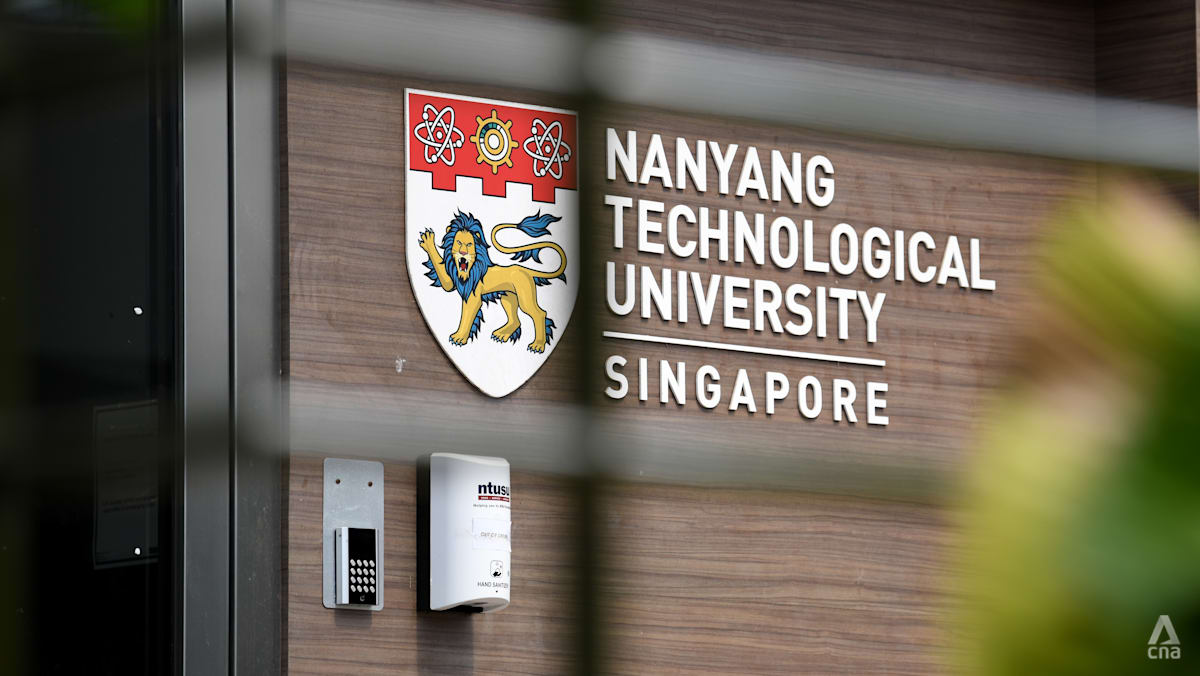
Nanyang Technological University (NTU) is discontinuing its AI detection tool for academic misconduct due to reliability issues and to preserve a culture of trust between students and faculty.
Nanyang Technological University is stopping its AI tool that checks for cheating in student work because it doesn't work well and makes people feel bad. Now teachers will focus on teaching instead of checking if students used the wrong tools.
Analysis
{"#AI_Detection_Failure":-1,"The AI detector tool used by NTU has been found to be fundamentally unreliable in distinguishing between unauthorised misconduct and responsible use of AI, leading to its discontinuation from 2027. This decision comes after controversies surrounding the misuse of AI tools for academic purposes in 2025, where three students were penalized despite disputes over their claims. The transition aims to reduce administrative noise and foster a more trusting environment between students and faculty. Dr Tan Seng Chee, NTU's associate vice-provost for education transformation, emphasizes the importance of maintaining trust and reducing surveillance in academic settings. He notes that AI detection scores can create an adversarial environment that undermines psychological safety and leads to burnout among faculty members. The transition will allow faculty to focus on meaningful pedagogical engagement rather than investigating cases related to AI misuse. Faculty have been instructed to reframe the role of AI detectors, aligning with emerging best practices in universities worldwide. This decision reflects NTU's commitment to responsible AI integration and a culture that values mutual trust between students and educators.":-1,"#AI_Integration_Changes":-1,"The transition away from automated detection tools will allow NTU to align its technological infrastructure with its commitment to responsible AI integration, rather than passive surveillance. This change is expected to have a positive impact on the academic environment by reducing administrative noise and fostering a more trusting relationship between students and faculty. The decision also reflects broader trends in university policies regarding AI use, as other institutions are moving towards similar practices of deactivating or limiting automated detection tools.":-1,"#Student_Faculty_Relationships":-1,"The transition away from the AI detector tool is expected to improve relationships between students and faculty by reducing surveillance and fostering a more trusting environment. This change aligns with NTU's commitment to preserving mutual trust, which can lead to better academic outcomes and a healthier learning atmosphere.":-1}
Key points
- NTU discontinues AI detector tool for academic misconduct
- Transition aligns with best practices in universities worldwide
- Reduces administrative noise and fosters trust between students and faculty
- Improves learning environment by reducing surveillance
This decision could lead to a more trusting environment between students and teachers, which can improve learning outcomes and reduce stress among faculty members.
If the transition is not handled well, it might cause confusion or misunderstandings about how student work will be evaluated in the future.