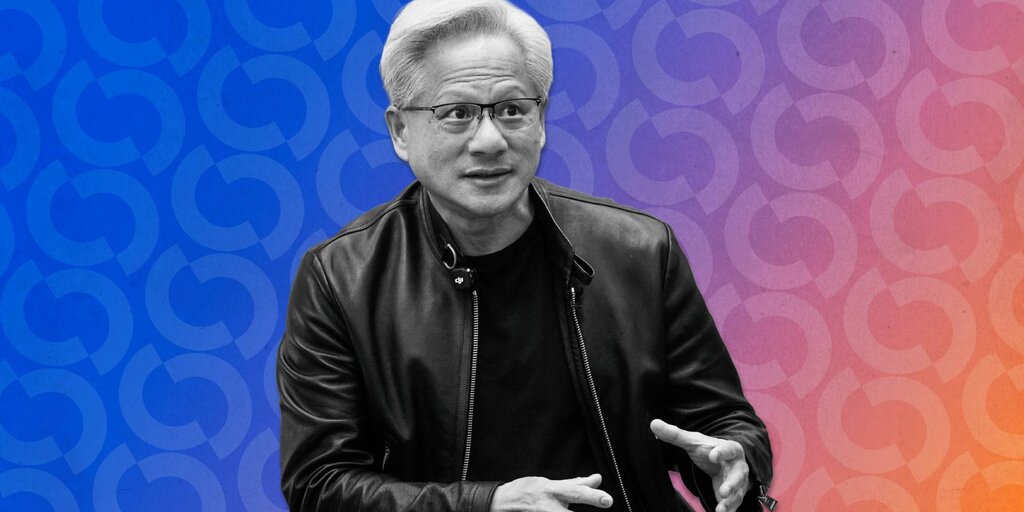
Nvidia, Jensen Huang Sued by Shareholders Over Alleged Ties to Suspected Chinese Spy
Nvidia and CEO Jensen Huang face a proposed class action lawsuit from shareholders alleging they concealed Huang's ties to a suspected Chinese spy, artificially inflating the company's share price.
Intelligence analysis by Gemini 2.5 Flash
A shareholder has filed a lawsuit against Nvidia and its CEO, Jensen Huang, claiming they defrauded investors by not disclosing Huang's alleged affair with Alice Huang, a former executive at Nvidia customer Megaspeed and a suspected Chinese intelligence asset. The suit alleges this relationship posed national security risks and that company statements downplaying the dealings were mis…
Imagine a super-smart computer chip company's boss is accused of having a secret friendship with someone who might be a spy from another country. Now, people who own parts of the company are upset because they think the boss kept this secret, which made the company's value seem higher than it should have been. The government is even looking into it, and the company's stock price dropped a lot because of all the worry.
Analysis
The proposed class action lawsuit against Nvidia and its CEO, Jensen Huang, highlights significant corporate governance and national security concerns. The core of the complaint, filed by shareholder Mark Kistenmacher, centers on allegations that Huang engaged in an affair with Alice Huang, a former executive at Singapore-based Nvidia customer Megaspeed, who is suspected of being a Chinese spy. This alleged relationship, the suit claims, was concealed from investors, leading to materially false and misleading statements by Nvidia and Huang regarding their dealings with Megaspeed.
Jensen Huang
Jensen Huang, Nvidia's CEO, is at the center of the controversy, accused of violating Section 10(b) of the Securities Exchange Act and Rule 10b-5, as well as Section 20(a), which holds executives liable. The lawsuit specifically targets statements made by Huang and Nvidia's spokesperson, John Rizzo, describing dealings with Megaspeed as "normal and not unusual," which the plaintiff alleges were misleading due to Huang's undisclosed relationship with Alice Huang. The New York Times reported that Nvidia's internal investigation began after Huang acknowledged the intimacy to the company's board.
In an email to staff, Huang reportedly apologized for being unfaithful to his wife, though he did not name the individual involved. Despite the gravity of the allegations, Nvidia's board opened an independent investigation and stated it had no reason to believe national security or company secrets were compromised. This stance, however, contrasts with reports from U.S. officials who allegedly concluded Alice Huang was a Chinese intelligence asset, and a classified memo warning top administration officials about the relationship.
Megaspeed
Megaspeed, a Singapore-based Nvidia customer, is central to the allegations, as Alice Huang was a former executive there. The lawsuit claims that Nvidia's statements about its dealings with Megaspeed were misleading because of the alleged affair between Jensen Huang and Alice Huang. Nvidia spokesperson John Rizzo had previously stated that the company found "no evidence of diversion" at Megaspeed and that Huang's visits to customer events were routine, claims now challenged by the lawsuit.
The allegations suggest that the undisclosed relationship created a material risk to Nvidia's reputation and business prospects due to national security concerns. The U.S. government's reported involvement, including a classified memo and FBI investigation, underscores the seriousness with which these ties are being viewed at a federal level. China's embassy in Washington, however, has dismissed the allegations as "groundless smears," adding a geopolitical dimension to the corporate scandal.
Donald Trump
Former U.S. President Donald Trump weighed in on the matter, stating that Jensen Huang told him he had "absolutely no idea" that Alice Huang was a spy. Trump also indicated that the FBI was "looking into it in terms of something else," without providing further details. Notably, Trump publicly supported Huang, stating he did not regret his decision not to act on the intelligence and believed Huang should remain as CEO, calling him "an honorable guy."
Trump's intervention adds a political layer to the unfolding corporate and national security drama. His public endorsement of Huang, despite the serious allegations, could influence public perception and potentially the trajectory of the investigation. The timing of the classified memo, circulated ahead of Trump's trip to China, suggests the U.S. administration was aware of the concerns, making Trump's decision not to act on the intelligence a significant point of discussion.
Key points
- Nvidia and CEO Jensen Huang are being sued by shareholders over alleged concealment of Huang's ties to a suspected Chinese spy.
- The lawsuit claims Huang had an affair with Alice Huang, a former executive at Nvidia customer Megaspeed, who is believed to be a Chinese intelligence asset.
- Shareholders allege that misleading statements about Nvidia's dealings with Megaspeed artificially inflated the company's share price.
- Nvidia's board has launched an independent investigation, stating no belief that national security or company secrets were compromised.
- U.S. President Donald Trump publicly supported Huang, stating he believed Huang should remain CEO despite the allegations.
Nvidia's board has stated it has no reason to believe national security or company secrets were compromised, suggesting the internal investigation might clear the company of significant wrongdoing. Additionally, former President Trump publicly supported Jensen Huang, believing he should remain CEO, which could help stabilize investor confidence.
The proposed class action lawsuit, coupled with national security concerns and an FBI investigation, poses a significant legal and reputational risk for Nvidia and Jensen Huang. The allegations could lead to substantial financial damages, further stock price volatility, and potential long-term damage to the company's standing.