NVIDIA Jetson Brings Agentic AI to the Physical World
NVIDIA says JetPack 7.2 and NemoClaw bring agentic AI to Jetson devices for edge robotics and industrial systems. The release adds new dev skills, Yocto support, CUDA 13, and faster, more deterministic deployment options.
Intelligence analysis by GPT-5.4 Mini
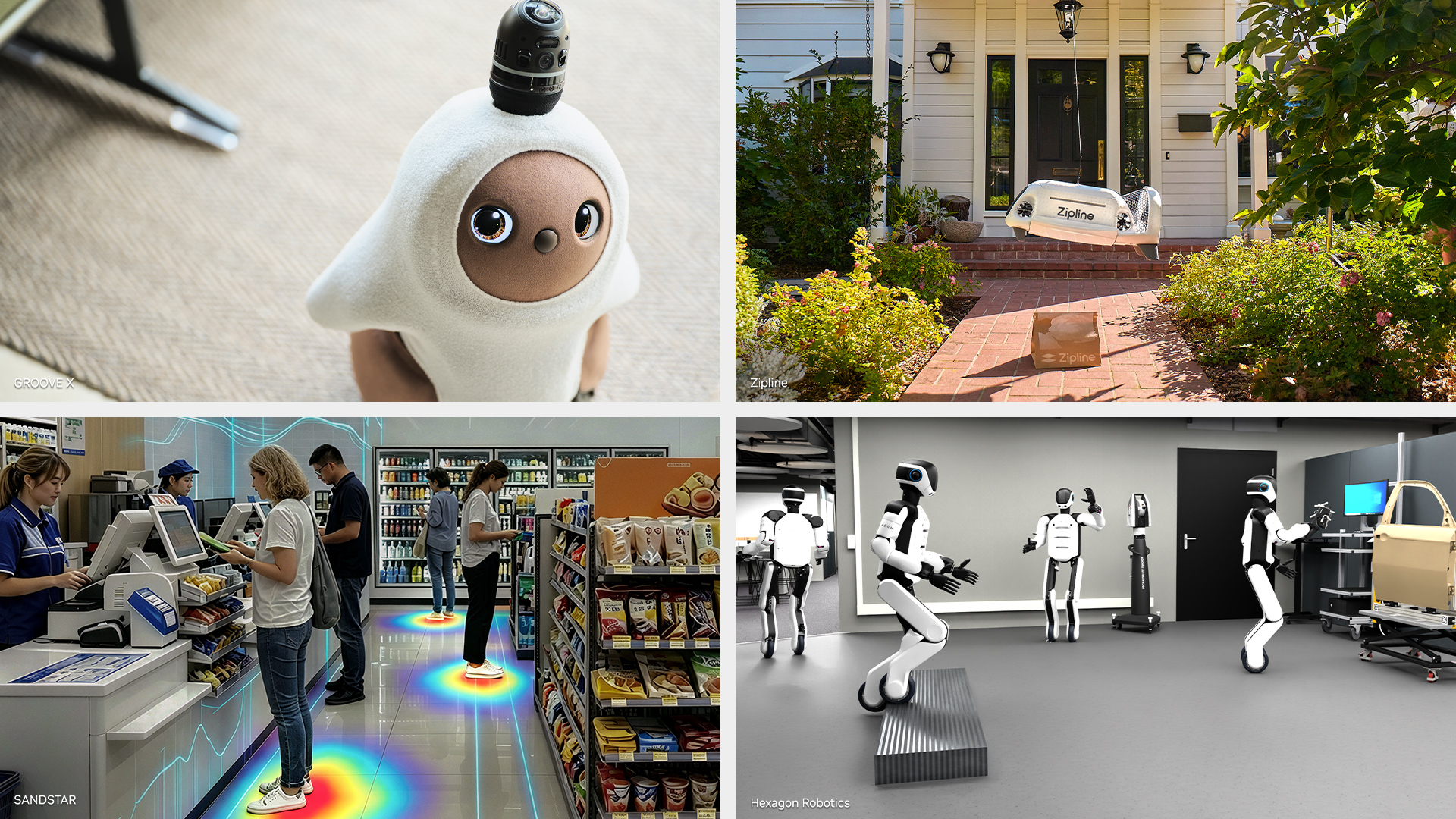
NVIDIA is pushing agentic AI from servers onto Jetson edge hardware, pairing JetPack 7.2 with NemoClaw and agent skills that automate parts of development. The company says the stack is already being used in robotics, factories, traffic systems, retail, and other physical-world deployments.
NVIDIA is trying to put smart helper software inside real machines, not just big computers in data centers. That means robots, cameras, vending machines, and factory tools can think and act closer to where the work happens.
The company says its new software makes that easier by giving developers ready-made tricks for setting things up, saving memory, and checking how well models run. It is a bit like giving a kitchen a new set of tools that help cooks work faster and waste less.
NVIDIA also says some customers are already using this setup in robots, factories, traffic systems, and stores. The big idea is to make AI helpers that can live inside machines and keep working all the time.
Analysis
What NVIDIA announced
At COMPUTEX, NVIDIA said JetPack 7.2 and NemoClaw support are coming to Jetson. The company frames the update as a move from agentic AI on servers and workstations into edge devices that operate in the physical world, especially robotics, inspection, and industrial automation.
What changes in the stack
JetPack 7.2 is the base layer: it adds Yocto-based OS support for a leaner and more customizable Linux setup, CUDA 13 on Jetson Orin, and MIG support on Jetson Thor. NVIDIA also says Jetson AGX Orin 32GB now reaches 241 TOPS of AI compute, which it describes as a 20% increase over the original spec. On Thor, MIG plus a real-time kernel are meant to help developers reserve GPU resources for workloads that need predictable timing.
Agent skills and NemoClaw
NVIDIA is also adding agent skills for developer tasks such as Linux customization, memory optimization, and model benchmarking. These skills are described as deployable agents built from NVIDIA documentation and design guides, with the goal of shrinking work that used to take weeks into days. On top of that, NemoClaw can be deployed to Jetson with a single command, bringing NVIDIA’s agentic AI framework into a production-grade robotics and vision AI stack.
Where NVIDIA says it is already used
The article cites deployments across robotics, humanoids, industrial automation, drones, healthcare devices, agricultural machinery, smart retail, traffic management, and factory systems. Examples include Solomon’s humanoid robot workflow, Advantech’s factory automation work, SandStar’s vending and retail systems, and NoTraffic’s signal optimization. NVIDIA’s message is that agentic AI is becoming practical on constrained edge hardware, but only with aggressive optimization and tighter platform integration.
Key points
- NVIDIA announced JetPack 7.2 and NemoClaw support for Jetson at COMPUTEX.
- The company says the update brings agentic AI from servers onto edge devices used in robotics and industrial systems.
- JetPack 7.2 adds Yocto support, CUDA 13 on Jetson Orin, and MIG support on Jetson Thor.
- NVIDIA says Jetson AGX Orin 32GB now reaches 241 TOPS, up 20% from its original spec.
- Customer examples include robotics, factory automation, smart retail, traffic management, and humanoid systems.
If NVIDIA’s stack works as advertised, it could make it faster and cheaper to ship agentic AI into robots and industrial devices. The article says the new skills and platform layers are meant to reduce development time, memory use, and deployment friction.
The article also shows how much optimization is still needed to make these systems practical on edge hardware. If memory tuning, OS customization, or real-time scheduling do not hold up in production, the promised speed and cost gains may be harder to realize at scale.