OGRA increases petrol, diesel prices
The Oil and Gas Regulatory Authority (OGRA) has increased the prices of petroleum products. The petrol price has been increased by 39 paisa per litre, taking the new petrol price to Rs341.98 per litre. The price of diesel has been increased by Rs2.40 per litre, with the n…
Intelligence analysis by Llama
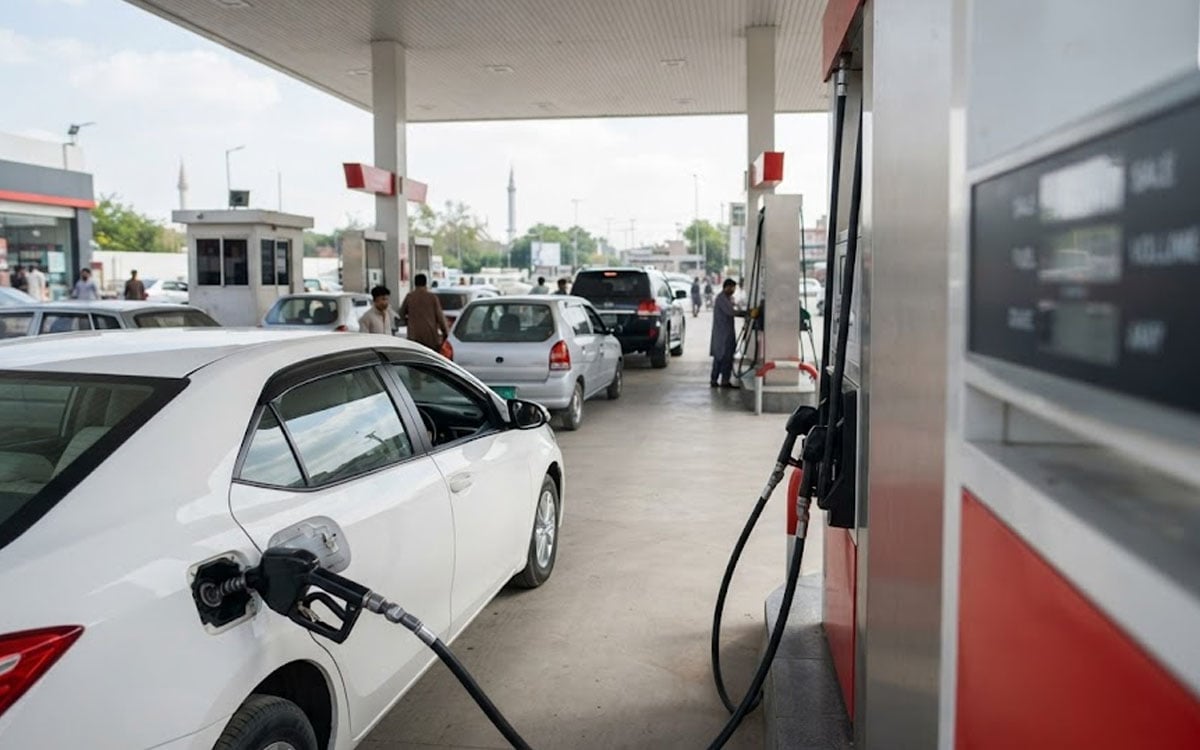
OGRA has increased the prices of petroleum products, with petrol price rising by 39 paisa per litre and diesel price by Rs2.40 per litre. The new prices are Rs341.98 per litre for petrol and Rs370.69 per litre for diesel.
The Oil and Gas Regulatory Authority (OGRA) has increased the prices of petrol and diesel. This means that people will have to pay more for petrol and diesel, which will make things more expensive for everyone. The government has promised to help the people who sell petrol and diesel, but this is only a temporary solution and the problem needs to be fixed for good.
Analysis
OGRA's Decision: A Blow to the Common Man
The recent decision by the Oil and Gas Regulatory Authority (OGRA) to increase the prices of petroleum products has sent shockwaves across the country. The petrol price has been increased by 39 paisa per litre, taking the new petrol price to Rs341.98 per litre. The price of diesel has been increased by Rs2.40 per litre, with the new diesel price fixed at Rs370.69 per litre.
This decision is a clear indication of the government's inability to control the rising cost of living. The common man will be the worst affected by this price hike, as it will increase the cost of transportation, food, and other essential commodities. The economy will also suffer as a result of this decision, as it will lead to a decrease in consumer spending and a slowdown in economic growth.
Government Support: A Temporary Reprieve
The government has assured the Pakistan Petroleum Dealers Association that it will provide support to the dealers in the form of a subsidy. This decision has been taken to prevent a nationwide strike planned for 15 August 2026. The association has postponed the strike, and petrol stations across the country will remain open on Saturday.
However, this decision is only a temporary reprieve, and the long-term solution to the problem of rising petroleum prices needs to be addressed. The government needs to take concrete steps to reduce the cost of living and make the economy more competitive.
Impact on the Economy
The price hike of petroleum products will have a significant impact on the economy. It will lead to a decrease in consumer spending, a slowdown in economic growth, and an increase in the cost of living. The government needs to take concrete steps to address this issue and make the economy more competitive.
In conclusion, the recent decision by OGRA to increase the prices of petroleum products is a clear indication of the government's inability to control the rising cost of living. The common man will be the worst affected by this price hike, and the economy will suffer as a result. The government needs to take concrete steps to address this issue and make the economy more competitive.
Key points
- OGRA has increased the prices of petroleum products.
- Petrol price has been increased by 39 paisa per litre.
- Diesel price has been increased by Rs2.40 per litre.
- New petrol price is Rs341.98 per litre.
- New diesel price is Rs370.69 per litre.
If the government takes concrete steps to reduce the cost of living and make the economy more competitive, the impact of the price hike can be minimized. The government can also consider providing subsidies to the common man to help them cope with the rising cost of living.
The price hike of petroleum products will lead to a decrease in consumer spending, a slowdown in economic growth, and an increase in the cost of living. The government's inability to control the rising cost of living will have a long-term impact on the economy and the common man.