Oil Nears $100 With Hormuz Closed
Global oil markets are now headed back towards $100 after a Kuwait-owned oil tanker was struck near the Strait of Hormuz. The vessel, Kaifan, operated by Kuwait Oil Tanker Co. S.A.K., was hit while travelling through the Strait, according to security consultancy EOS Risk …
Intelligence analysis by Llama
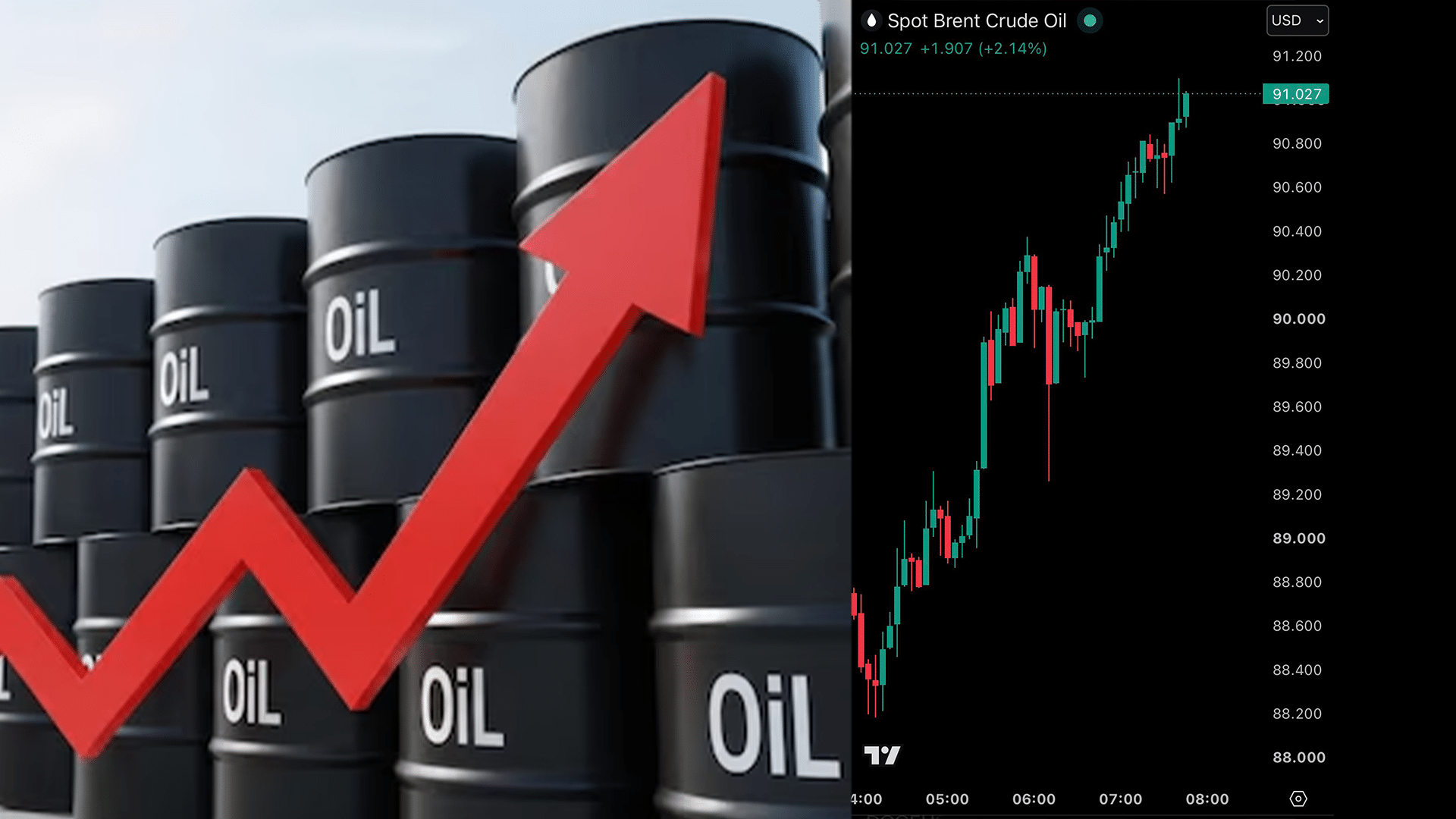
A Kuwait-owned oil tanker was struck near the Strait of Hormuz, pushing global oil markets back towards $100. The vessel, Kaifan, operated by Kuwait Oil Tanker Co. S.A.K., was hit while travelling through the Strait, according to security consultancy EOS Risk Group.
Imagine you're on a big boat, carrying a lot of oil, and someone shoots at you. That's what happened to a Kuwait-owned oil tanker near the Strait of Hormuz. This made the price of oil go up, and people are worried that it might go even higher.
Analysis
A $60B Vote of Confidence
The recent strike on a Kuwait-owned oil tanker near the Strait of Hormuz has sent shockwaves through the global oil market, pushing prices back towards $100 per barrel. The Strait of Hormuz handles a significant share of the world's oil shipments, and the disruption has traders increasingly concerned about supply shortages. The situation worsened further after Yemen's Houthis announced a naval blockade targeting Saudi Arabia.
The latest developments have pushed Brent crude prices back above $90 per barrel, with markets closely monitoring whether further disruptions could send prices toward the $100 per barrel mark. The situation is a stark reminder of the volatility of the global oil market and the importance of maintaining stability in the region.
Why Cursor?
The question on everyone's mind is whether this is a one-off incident or a sign of a larger problem. The answer lies in the fact that tanker operators have largely avoided transiting the route since tensions intensified. The Strait of Hormuz is a critical chokepoint for global oil supplies, and any disruption to the flow of oil can have significant consequences for the global economy.
The Road Ahead
The situation is likely to continue to unfold in the coming days and weeks, with markets closely monitoring the situation. The key question is whether further disruptions will occur, and if so, what the impact will be on global oil prices. One thing is certain, however: the recent strike on the Kuwait-owned oil tanker has sent a clear message that the global oil market is a volatile and unpredictable place.
The situation is a stark reminder of the importance of maintaining stability in the region and the need for continued vigilance in the face of potential disruptions. As the situation continues to unfold, one thing is certain: the global oil market will be watching with bated breath.
Key points
- A Kuwait-owned oil tanker was struck near the Strait of Hormuz, pushing global oil markets back towards $100.
- The vessel, Kaifan, operated by Kuwait Oil Tanker Co. S.A.K., was hit while travelling through the Strait, according to security consultancy EOS Risk Group.
- The situation has pushed Brent crude prices back above $90 per barrel, with markets closely monitoring whether further disruptions could send prices toward the $100 per barrel mark.
- Tanker operators have largely avoided transiting the route since tensions intensified, and the Strait of Hormuz is a critical chokepoint for global oil supplies.
If the situation is resolved quickly and tanker operators can safely transit the Strait of Hormuz, oil prices may stabilize and even decrease. However, if further disruptions occur, prices could continue to rise, potentially reaching $100 per barrel or higher.
If the situation continues to deteriorate and tanker operators are unable to safely transit the Strait of Hormuz, oil prices could continue to rise, potentially reaching $100 per barrel or higher. This could have significant consequences for the global economy, including higher fuel prices and potential shortages.