Oil price slides as US and Iran pause fire; cancer treatments help AstraZeneca beat profit forecasts – business live
Oil prices fell over 5% as the US paused strikes on Iran, easing geopolitical tensions, while AstraZeneca reported better-than-expected profits driven by strong cancer treatment sales.
Intelligence analysis by Gemini 2.5 Flash
Global markets reacted positively to a temporary de-escalation between the US and Iran, causing oil prices to drop below $90 a barrel, though the situation in the Red Sea remains volatile. Concurrently, pharmaceutical giant AstraZeneca announced robust second-quarter earnings, primarily fueled by its successful cancer treatment portfolio.
Imagine the world's gas prices are like the price of your favorite toy. When two big countries, the US and Iran, stop arguing for a bit, everyone feels a little calmer, and the price of gas (oil) goes down because people worry less about getting enough. At the same time, a big medicine company called AstraZeneca made lots of money because their special medicines for cancer are helping many people, like a superhero company making super cures!
Analysis
Geopolitical Tensions and Oil Markets
The recent pause in US strikes on Iran, described by Deutsche Bank's Jim Reid as an "opportunity for diplomacy," has significantly impacted global oil prices. Brent crude, the international benchmark, saw a substantial drop of over 5% to $91.68 a barrel, after briefly touching $100 last week. This immediate market reaction underscores the sensitivity of energy prices to Middle Eastern stability, particularly concerning the Strait of Hormuz, a critical shipping chokepoint.
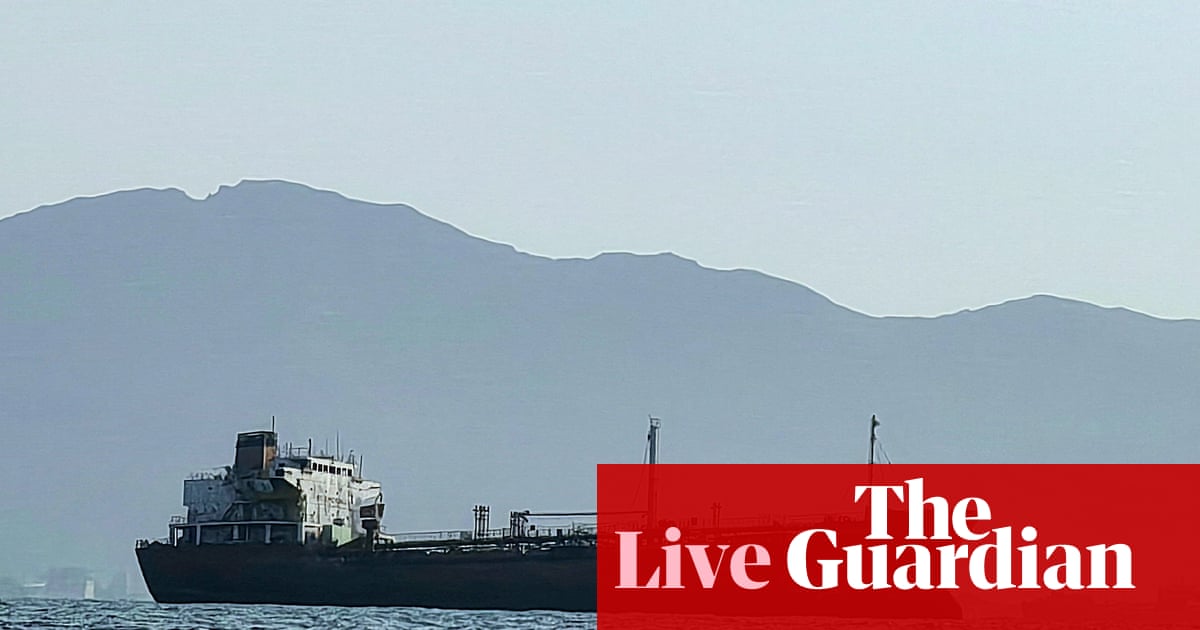
Despite the temporary lull, the situation remains highly fluid and fragile. US officials, including UN ambassador Mike Waltz, maintain that all military options are still on the table, while reports from the New York Times and Axios indicate an active debate within the Trump administration regarding the effectiveness and costs of further military action. Moreover, the conflict has broadened into the Red Sea, with Iran-backed Houthi forces reportedly launching attacks on Saudi energy infrastructure, prompting retaliatory strikes. This raises the prospect of simultaneous disruption to both Gulf and Red Sea export routes, suggesting that while the main actors have paused, underlying regional tensions and 'side battles' persist, posing ongoing risks to energy and shipping.
AstraZeneca's Pharmaceutical Success
In contrast to the volatile energy sector, pharmaceutical giant AstraZeneca delivered a strong financial performance for its second quarter, surpassing profit forecasts. The company's earnings for the three months ending in June rose by an impressive 18% to $2.63 per share, with overall revenue increasing by 5% to $15.38 billion at constant currency. This robust growth was primarily attributed to the strong sales of its cancer treatments, highlighting the significant demand and commercial success within the oncology segment of the pharmaceutical industry.
AstraZeneca's positive results demonstrate the resilience and innovation within the healthcare sector, particularly in specialized areas like cancer therapy. The consistent demand for life-saving and life-improving medications provides a stable revenue stream, often insulating such companies from broader economic uncertainties that impact other sectors. This performance not only benefits shareholders but also underscores the ongoing advancements in medical science and their tangible impact on global health.
Broader Economic Indicators and Market Reactions
Beyond the headline events, the article touches on several other key economic developments. European gas prices experienced a sharp drop, and European stock markets rallied, mirroring the positive sentiment generated by the US-Iran de-escalation. Shares in major European airlines, including Ryanair, International Consolidated Airlines Group (British Airways owner), and Wizz Air, all saw strong gains, indicating renewed investor confidence in travel and leisure sectors.
In the UK, the Financial Conduct Authority (FCA) launched a £2 million advertising campaign to encourage drivers affected by the car finance scandal to file complaints directly, rather than using claims management companies that charge high fees. This initiative aims to streamline the compensation process for a £9.1 billion scheme, addressing a long-running issue of borrowers being overcharged due to hidden commissions. US stock futures also pointed to a significant rise, suggesting that the global market rally was expected to extend across the Atlantic, reflecting a generally optimistic start to the trading day despite underlying geopolitical fragilities.
Key points
- Oil prices fell over 5% to $91.68 a barrel after the US paused strikes on Iran, easing immediate geopolitical tensions.
- AstraZeneca reported better-than-expected Q2 profits, with earnings up 18% to $2.63 per share, driven by strong cancer treatment sales.
- The US-Iran de-escalation is seen as a 'fragile' opportunity for diplomacy, with military options still on the table and regional conflicts ongoing in the Red Sea.
- European stock markets rallied, and European gas prices dropped sharply, while US stock futures also pointed to significant gains.
- The UK's FCA launched a £2m campaign to help drivers claim compensation directly in the car finance scandal, avoiding claims management fees.
The pause in US-Iran strikes offers a crucial window for diplomacy, potentially leading to a more stable Middle East and sustained lower oil prices, which would benefit global economies and consumers. AstraZeneca's strong performance highlights the continued innovation and profitability in the pharmaceutical sector, promising advancements in critical treatments.
The current pause in US-Iran conflict is described as fragile, with ongoing 'side battles' in the Red Sea and internal debates within the US administration, suggesting a high risk of renewed escalation that could disrupt energy supplies and send oil prices soaring again. The car finance scandal also underscores persistent consumer protection issues.
Market signals
- OIL Oil prices fell more than 5% as the US paused strikes on Iran, easing supply disruption fears.
- AZN The pharmaceutical company reported better than expected profits driven by strong cancer treatment sales.
- European Stock Market European stock markets rallied following the pause in US-Iran conflict and positive corporate earnings.
- US Stock Market US stock futures pointed to a rise, anticipating a global market rally.
AI-generated analysis of potential market relevance. Not financial advice.