Oil prices fall 5% to two-week low on hopes for US-Iran conflict easing
Oil prices dropped 5 per cent on Tuesday to a two-week low, on cautious hopes for a resolution to the Iran war as traders assessed developments in the Middle East.
Intelligence analysis by Llama
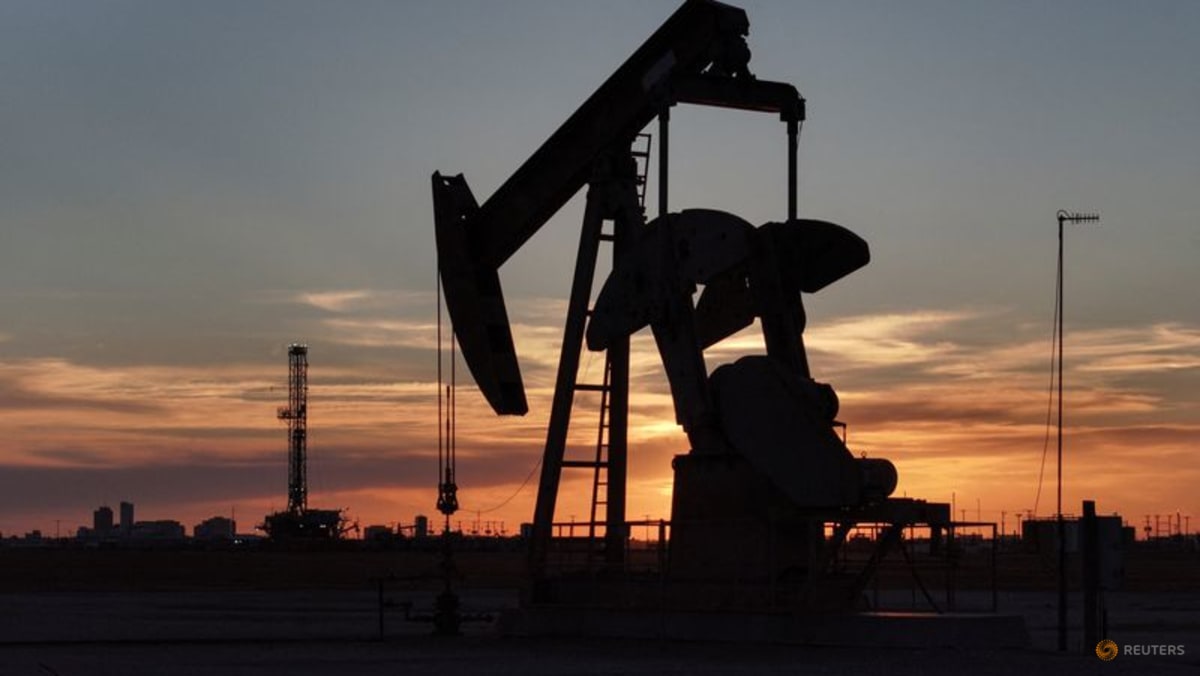
Oil prices fell 5% to a two-week low on hopes for a resolution to the Iran war. Traders assessed developments in the Middle East, with Oman presenting Iran with a plan to manage the Strait of Hormuz. The U.S. and Israel have been at war with Iran since February 28, disrupting trade through the strait.
Imagine you're at a big restaurant, and the chef is in a fight with the supplier of the food. The chef can't get the food, so the restaurant can't serve meals. That's kind of like what's happening with oil prices. The US and Iran are fighting, and it's making it hard for oil to get to the people who need it. If they can work things out, oil prices might go down, and that would be good for the restaurant (and the people who eat there).
Analysis
A 5% Drop in Oil Prices: What's Behind the Fall?
Oil prices have been on a rollercoaster ride in recent weeks, with Brent futures falling 5.2% to $83.75 a barrel and US West Texas Intermediate (WTI) crude dropping 4.9% to $78.55. The drop is largely attributed to hopes for a resolution to the Iran war, which has been disrupting trade through the Strait of Hormuz.
Oman's Plan to Manage the Strait of Hormuz
Oman has presented Iran with a plan to manage the Strait of Hormuz, including collecting voluntary fees for using it. The plan is intended to serve as a basis to end the disruption to trade through the strait caused by the US-Israeli war on Iran. Iran has yet to respond to the Omani proposals.
The Impact of the US-Iran Conflict on Oil Prices
The US-Iran conflict has had a significant impact on oil prices, with Brent futures falling 17% over the past three days. The conflict has disrupted trade through the Strait of Hormuz, which is a critical chokepoint for oil flows. The US has threatened to restart strikes on Iran unless negotiations deliver, which could lead to further volatility in oil prices.
The Road Ahead
The development of oil prices falling to a two-week low is significant for the global economy, as it affects the cost of crude oil and the demand for it. The easing of tensions between the US and Iran could lead to increased oil production and lower prices. However, the situation remains uncertain, and oil prices could continue to be volatile in the coming days.
Key points
- Oil prices fell 5% to a two-week low on hopes for a resolution to the Iran war.
- Oman presented Iran with a plan to manage the Strait of Hormuz, including collecting voluntary fees for using it.
- The US and Israel have been at war with Iran since February 28, disrupting trade through the strait.
- The easing of tensions between the US and Iran could lead to increased oil production and lower prices.
- The situation remains uncertain, and oil prices could continue to be volatile in the coming days.
If the US and Iran can work out their differences, oil prices could drop further, leading to increased economic activity and lower costs for consumers.
However, if the conflict escalates, oil prices could surge, leading to higher costs for consumers and potentially even a recession.
Market signals
- Oil The easing of tensions between the US and Iran could lead to increased oil production and lower prices.
AI-generated analysis of potential market relevance. Not financial advice.