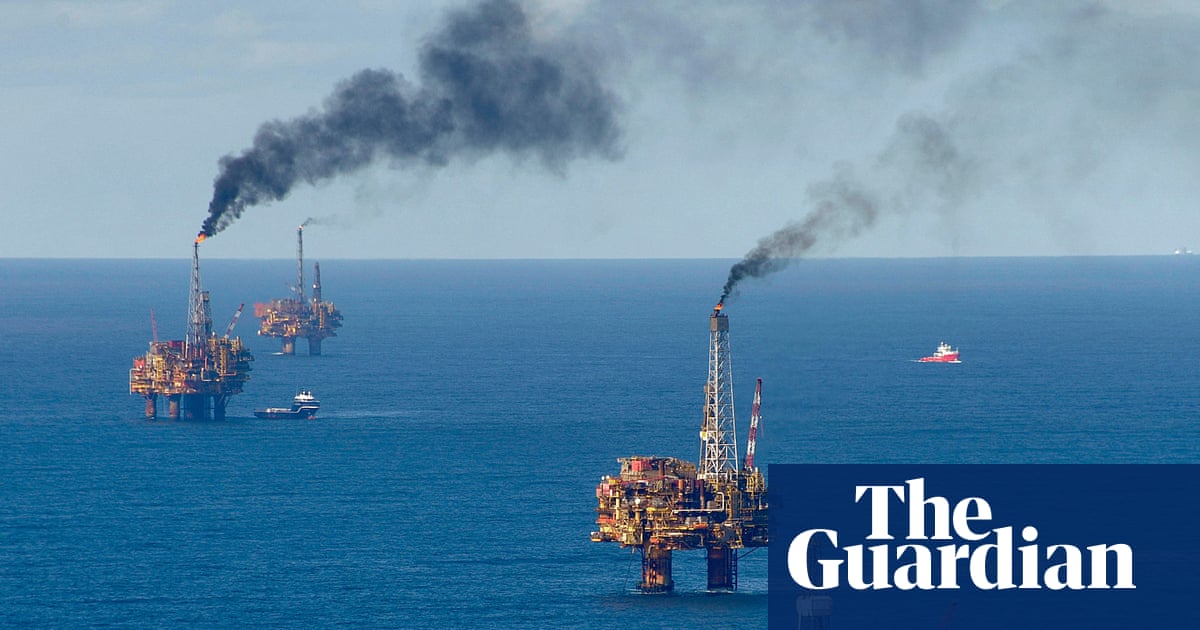
Oil prices fall on hopes Strait of Hormuz could reopen
Oil prices fell to a three-week low as senior US officials raised hopes of a deal with Iran to reopen the key Strait of Hormuz waterway. US Secretary of State Marco Rubio and Treasury Secretary Scott Bessent both announced talks had progressed to allow shipments to potent…
Intelligence analysis by Llama
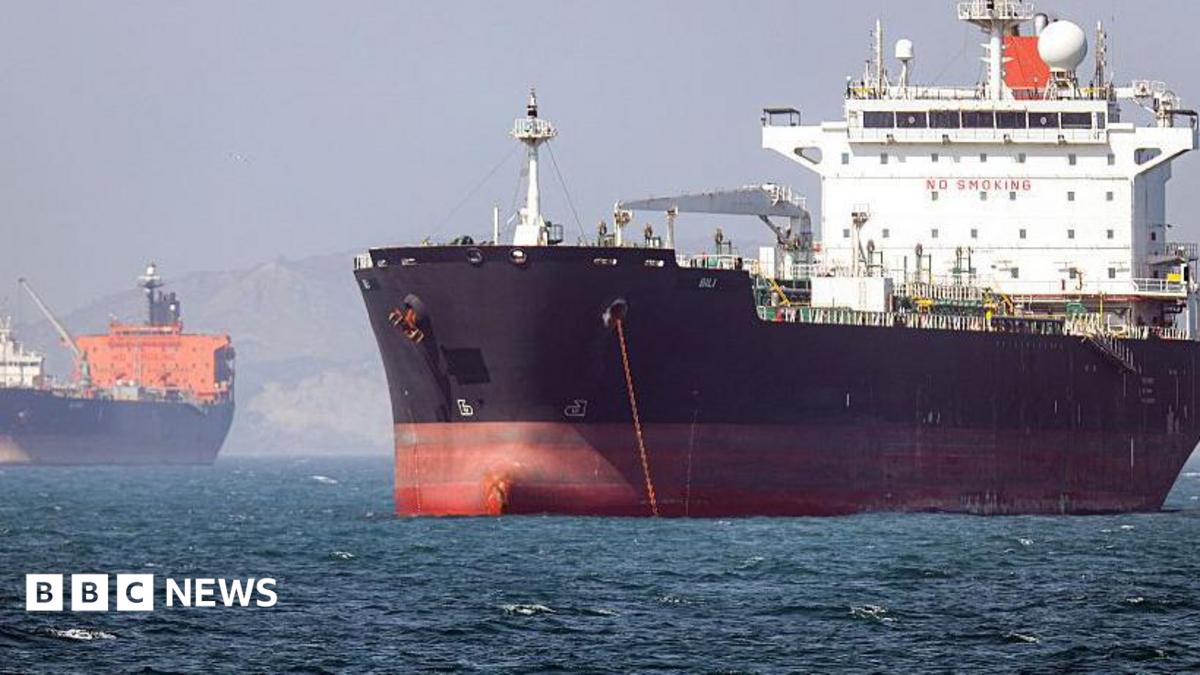
Oil prices fell to a three-week low as US officials raised hopes of a deal with Iran to reopen the Strait of Hormuz. The cost of a barrel of brent crude fell by almost 5% to under $80, with US West Texas Intermediate prices down more than 5% to $76 a barrel.
Imagine a big waterway that lots of oil ships go through. If this waterway gets blocked, oil prices go up. That means people pay more for gas in their cars. Recently, some US officials said they might be able to make a deal with Iran to open the waterway again. If they do, oil prices might go down, and people might pay less for gas.
Analysis
A $60B Vote of Confidence
The Strait of Hormuz has been a central point in negotiations between the US and Iran. Before the conflict began in late February, the waterway handled about one-fifth of global daily oil and liquefied natural gas supplies. The disruption has sent prices at the pumps up across the world.
Why Cursor?
The failure of previous negotiations in recent months to de-escalate the conflict between the US and Iran has led to a volatile oil market, with drivers ultimately being hit by higher fuel prices at the pumps. On Tuesday, along with the drop in Brent crude, US West Texas Intermediate prices were down more than 5%, to $76 a barrel. Both contracts dropped to their lowest levels since 13 July.
The Road Ahead
While senior figures in the US government have announced talks have been progressing, no details of what a potential deal may look like have been released. The Strait of Hormuz has been a central point in negotiations between the US and Iran. Before the conflict began in late February, the waterway handled about one-fifth of global daily oil and liquefied natural gas supplies. The disruption has sent prices at the pumps up across the world.
Key points
- Oil prices fell to a three-week low as senior US officials raised hopes of a deal with Iran to reopen the Strait of Hormuz.
- The cost of a barrel of brent crude fell by almost 5% to under $80, with US West Texas Intermediate prices down more than 5% to $76 a barrel.
- The failure of previous negotiations to de-escalate the conflict between the US and Iran has led to a volatile oil market.
- The Strait of Hormuz has been a central point in negotiations between the US and Iran.
If a deal is reached to reopen the Strait of Hormuz, oil prices could fall further, leading to lower fuel costs for drivers. This could also lead to a decrease in inflation, as lower oil prices would reduce the cost of goods and services.
However, if the deal to reopen the Strait of Hormuz fails, oil prices could surge, leading to higher fuel costs for drivers. This could also lead to a rise in inflation, as higher oil prices would increase the cost of goods and services.