Oil prices jump 7% as US-Iran truce buckles under fresh hostilities
Oil prices rose more than 7% after U.S. President Donald Trump threatened fresh strikes against Iran, which could lead to a closure of the Strait of Hormuz.
Intelligence analysis by Llama
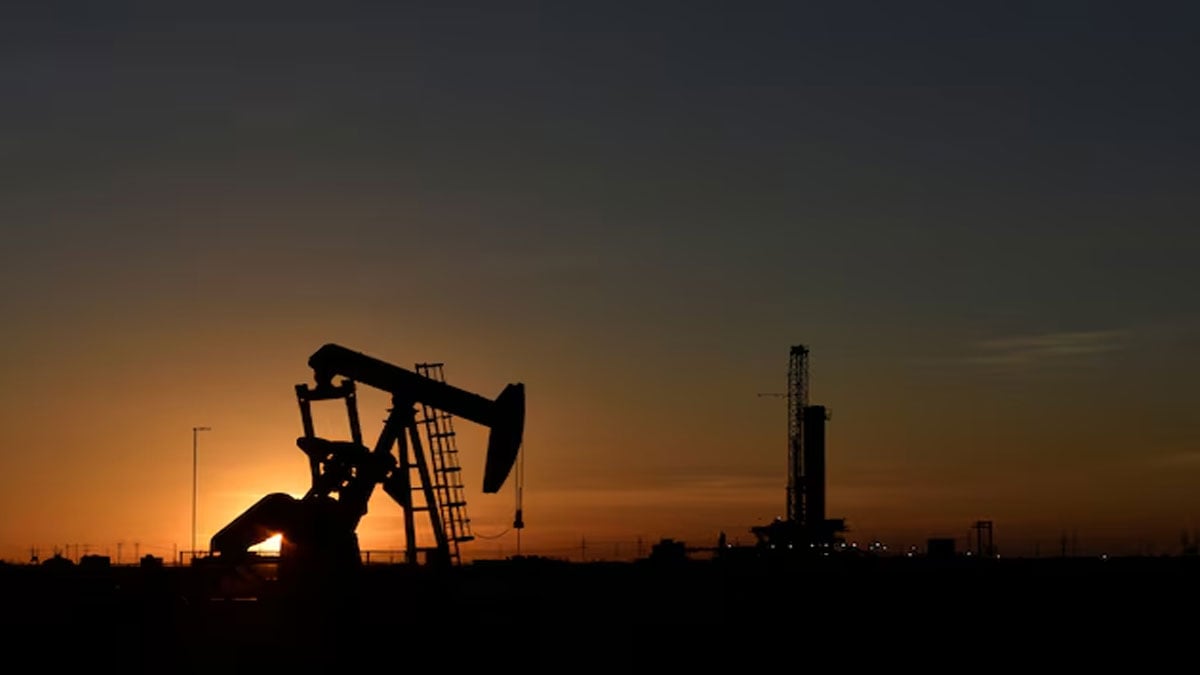
The flare-up in hostilities has revived concerns about tanker traffic through the Strait of Hormuz, especially as some vessels were hit around the waterway earlier in the week.
Imagine you're on a boat in the middle of the ocean, and there's a narrow waterway that you need to pass through to get to your destination. If someone blocks that waterway, you won't be able to get through, and that's what's happening with the Strait of Hormuz. It's a critical waterway that connects the Persian Gulf to the Gulf of Oman, and it's responsible for transporting a significant portion of the world's oil supply. If it gets blocked, it could lead to a significant increase in oil prices, which could have a big impact on the global economy.
Analysis
A 7% Jump in Oil Prices: What's Behind the Surge?
The recent jump in oil prices is a result of the escalating tensions between the US and Iran. The US President, Donald Trump, has threatened fresh strikes against Iran, which could lead to a closure of the Strait of Hormuz. This has revived concerns about tanker traffic through the Strait, especially as some vessels were hit around the waterway earlier in the week.
The Strait of Hormuz is a critical waterway that connects the Persian Gulf to the Gulf of Oman, and it is responsible for transporting a significant portion of the world's oil supply. The closure of the Strait would have a significant impact on global oil prices, which could lead to economic instability.
The current situation is a result of the ongoing conflict between the US and Iran, which has been ongoing since February. The conflict has led to a significant drawdown of oil inventories, and the recent jump in oil prices is a result of the escalating tensions.
The impact of the current situation on the global economy is significant, and it is essential to monitor the situation closely. The recent jump in oil prices is a warning sign that the global economy is vulnerable to disruptions in the oil supply chain.
Why the US-Iran Truce is Buckling
The US-Iran truce, which was signed last month, is buckling under the pressure of the escalating tensions. The truce was meant to be a temporary measure to reduce tensions between the two countries, but it has failed to achieve its objectives.
The current situation is a result of the failure of the truce to address the underlying issues between the two countries. The truce was meant to be a confidence-building measure, but it has failed to build confidence between the two countries.
The Road Ahead
The current situation is a result of the ongoing conflict between the US and Iran, and it is essential to monitor the situation closely. The recent jump in oil prices is a warning sign that the global economy is vulnerable to disruptions in the oil supply chain.
The impact of the current situation on the global economy is significant, and it is essential to take steps to mitigate the risks. The recent jump in oil prices is a reminder that the global economy is interconnected, and disruptions in one part of the world can have a significant impact on the global economy.
Key points
- Oil prices rose more than 7% after U.S. President Donald Trump threatened fresh strikes against Iran.
- The flare-up in hostilities has revived concerns about tanker traffic through the Strait of Hormuz.
- The Strait of Hormuz is a critical waterway that connects the Persian Gulf to the Gulf of Oman.
- The closure of the Strait would have a significant impact on global oil prices and the economy.
- The US-Iran truce is buckling under the pressure of the escalating tensions.
If the US and Iran can reach a permanent peace agreement, it could lead to a significant reduction in oil prices and a boost to the global economy. Additionally, the recent jump in oil prices could lead to increased investment in renewable energy sources, which could help to reduce the world's reliance on fossil fuels.
If the US and Iran continue to escalate their conflict, it could lead to a complete closure of the Strait of Hormuz, which would have a devastating impact on the global economy. Additionally, the recent jump in oil prices could lead to a recession, as countries struggle to cope with the increased cost of oil.