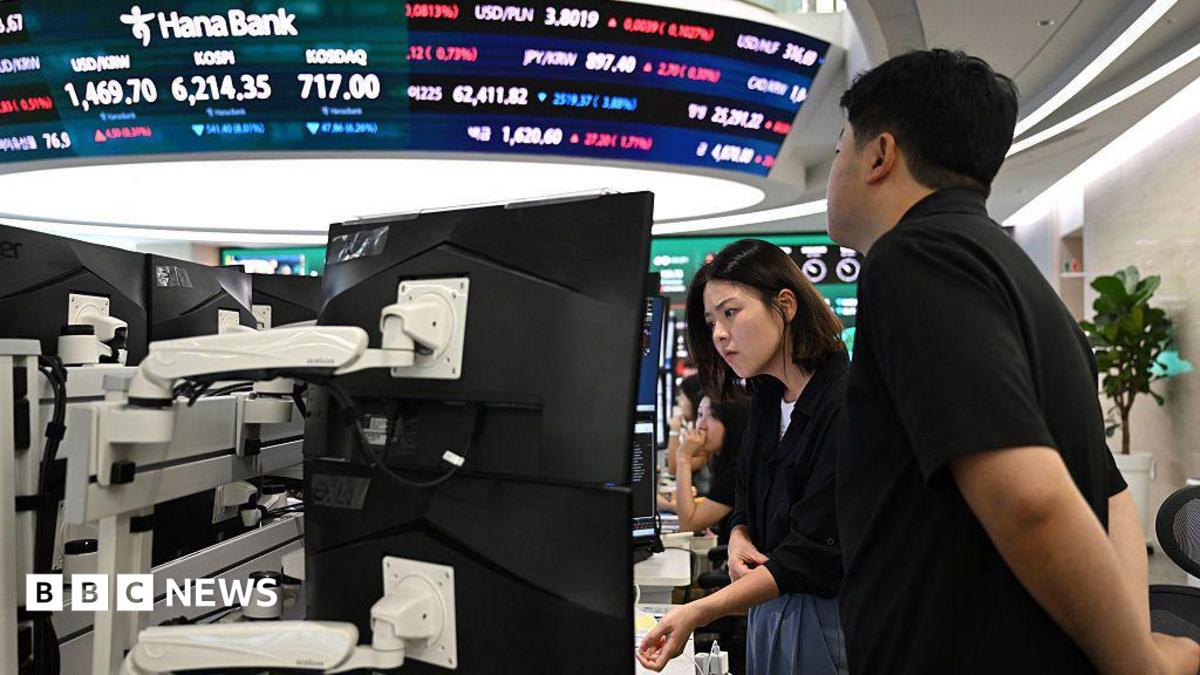
Oil prices plummet as Trump claims he is close to US-Iran deal
Brent crude fell sharply after Trump said a US-Iran peace deal was close and the Strait of Hormuz could reopen soon.
Intelligence analysis by GPT-5.4 Mini
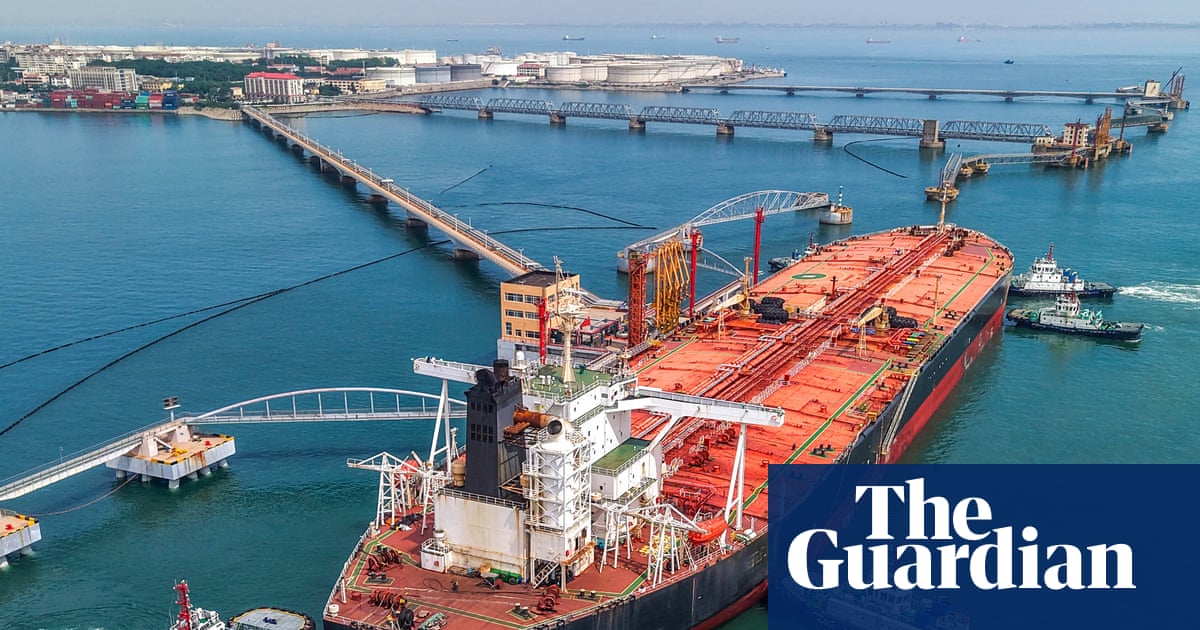
Oil markets sold off after Trump said he had called off further strikes on Iran and talks were progressing. Traders bet a deal could reopen the Strait of Hormuz, easing supply fears and pushing Brent to its lowest level since early March.
Oil prices fell because traders thought a fight near a very important sea route might calm down. It is like a busy highway reopening after a crash, so more trucks can move and the price of the stuff they carry goes down.
Analysis
What happened
Global oil prices fell on Friday to lows not seen since the first week of the Iran crisis after Donald Trump said he was close to a peace deal with Tehran. Brent crude dropped from about $93 a barrel in overnight trading, briefly dipped below $85, and later traded around $87.50, down about 3% on the day.
Trump said he had called off further military strikes against Iran, saying talks had advanced and that a deal could reopen trade through the Strait of Hormuz as soon as the weekend. Iran said it had not made a final decision, although it said large parts of an agreement had been finalised.
Why the market moved
The Strait of Hormuz is a critical route for oil and gas shipments out of the Gulf. When Iran effectively blocked shipments after US-Israeli strikes earlier in the crisis, Brent surged to $113 a barrel. The International Energy Agency then coordinated the release of 400 million barrels of emergency crude to calm markets.
Oil had already been under pressure in recent weeks from several factors, including import cuts from China and stealth crude exports from the Gulf via “dark transits.” That broader easing made the price drop more pronounced once headlines about a possible deal hit the market.
What analysts said
Tamas Varga of PVM Oil Associates said market confidence was rising that a deal would eventually be struck and the strait would reopen. Chris Beauchamp of IG said that if the agreement actually reopens Hormuz, it could support stock markets too, though he warned the usual caveats about details and signing still applied.
Broader outlook
Goldman Sachs said it still expects oil to average $90 a barrel in the final quarter of the year as flows normalise and countries rebuild stocks. It also lowered its 2027 forecast by $5 to $80 a barrel, citing higher supply from the Americas and the UAE and weaker expected demand.
Key points
- Brent crude fell to about $87.50 after Trump said he was close to a peace deal with Iran.
- Prices briefly dipped below $85, the lowest level since early March.
- Trump said a deal could reopen the Strait of Hormuz as soon as the weekend.
- Iran said no final decision had been made, though it said much of the agreement was finalized.
- Goldman Sachs kept a $90-a-barrel average forecast for late this year but cut its 2027 view.
If the US and Iran reach an agreement, shipping through the Strait of Hormuz could restart and reduce the supply shock that drove prices higher. That would help calm energy markets and may support broader stock market gains.
If the talks stall or the deal is not signed, the market could reverse quickly because the Strait of Hormuz remains a major choke point for oil and gas. Any renewed conflict would likely restore the same supply fears that pushed Brent much higher earlier in the crisis.