Oil prices rise slightly after US announces new round of strikes on Iran
Oil prices inched higher in early trading on Wednesday as fears of further supply disruptions intensified after U.S. forces said it began striking Iranian military targets for the 11th straight night and Kuwait reported attacks by Iranian drones.
Intelligence analysis by Llama
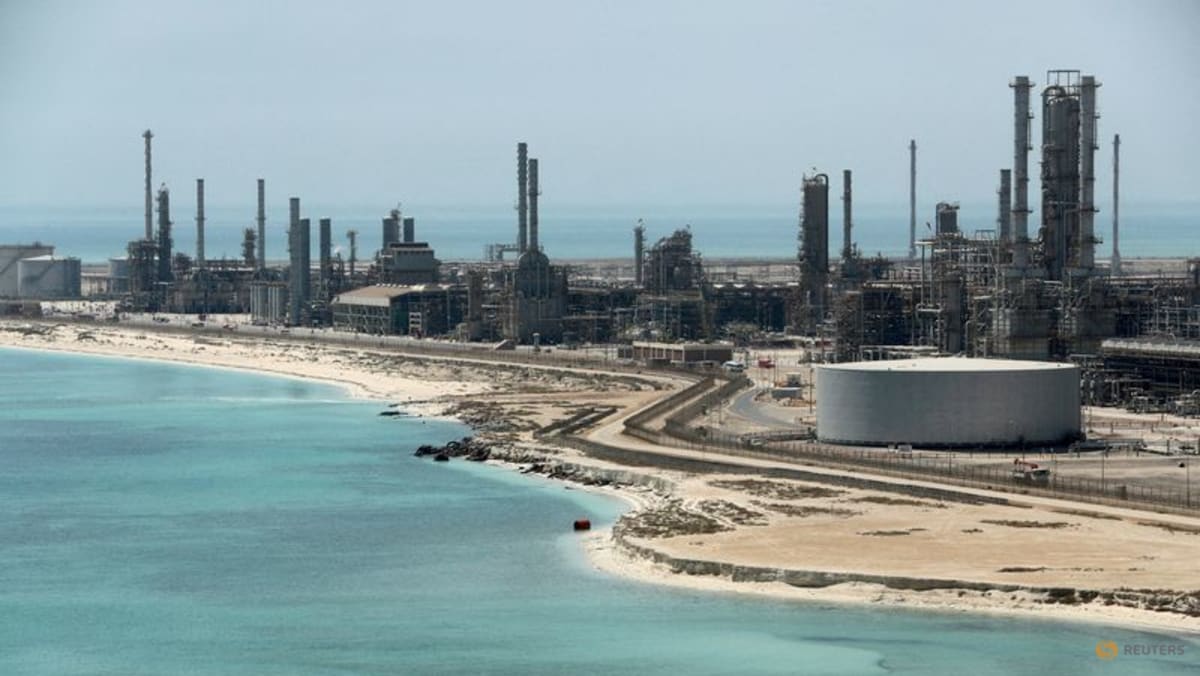
Oil prices rose slightly after US forces began striking Iranian military targets for the 11th straight night, and Kuwait reported attacks by Iranian drones, raising fears of further supply disruptions.
Imagine you're playing a game of chess, and each move affects the other player's pieces. That's kind of like what's happening with the US and Iran. The US is making moves to attack Iran, and Iran is responding by attacking US facilities. This is making oil prices go up because people are worried that there will be more disruptions to the oil supply.
Analysis
A New Round of Strikes on Iran
The US has announced a new round of strikes on Iran, with the 11th straight night of military action. This has raised fears of further supply disruptions, which could impact oil prices and the global economy. The strikes come after Iran attacked US facilities in Bahrain, Kuwait, and Jordan, and the US military said it began its latest strikes on Iran late on Tuesday in the United States, or early Wednesday in Iran.
The Impact on Oil Prices
Oil prices have risen slightly after the US announced the new round of strikes on Iran. Brent crude futures rose 0.55 per cent, or 50 cents, to $91.51 after markets opened on Wednesday, while U.S. West Texas Intermediate crude climbed 0.36 per cent, or 30 cents, to $84.64 in low volume trading. This comes after oil settled at a five-week high on Tuesday after U.S. forces struck targets in southern and western Iran, while Iran attacked US facilities in Bahrain, Kuwait, and Jordan.
The Risk of Further Disruptions
The constant trading of strikes has raised fears of further disruptions to global energy supplies. The Bab el-Mandeb waterway at the southern entrance to the Red Sea has become an increasingly important route for Saudi crude exports as traffic through the Strait of Hormuz has fallen sharply since a ceasefire between the United States and Iran collapsed earlier this month. Separately, Pete Hegseth, the U.S. defense secretary said the country's war in Iran has cost it $37.5 billion so far, an increase of nearly $8 billion since the last public estimate.
Key points
- US forces have begun striking Iranian military targets for the 11th straight night
- Kuwait reported attacks by Iranian drones
- Oil prices have risen slightly after the US announced the new round of strikes on Iran
- The constant trading of strikes has raised fears of further disruptions to global energy supplies
- The Bab el-Mandeb waterway has become an increasingly important route for Saudi crude exports
If the US and Iran can come to a peaceful agreement, it could lead to a decrease in oil prices and a reduction in the risk of further disruptions to global energy supplies.
If the US and Iran continue to engage in a cycle of violence, it could lead to a prolonged period of high oil prices and increased risk of further disruptions to global energy supplies.