Oil prices steady as investors assess US-Iran war outlook
Oil prices remained elevated as the market is supported by sporadic attacks in the Middle East but lacks fresh momentum without a major escalation.
Intelligence analysis by Llama
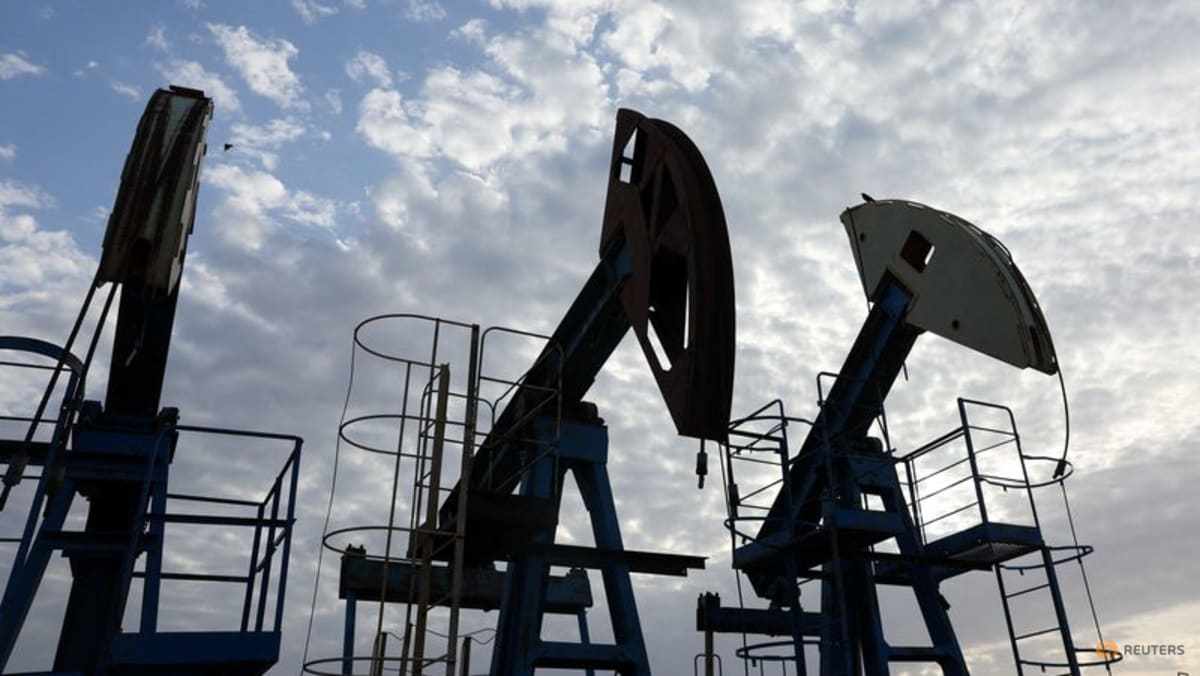
Oil prices steadied in early trade on Thursday as investors assessed the outlook for the U.S.-Iran war and the security of shipping through the Strait of Hormuz.
Imagine you're at a restaurant, and the chef is worried that someone might try to steal the food. The chef might put up a fence to protect the food, but if the fence is not strong enough, the food might get stolen. In this case, the oil prices are like the fence, and the US-Iran tensions are like the potential thief. If the tensions escalate, the oil prices might go up because people are worried that the oil might get stolen. But if the tensions calm down, the oil prices might go down because people are not as worried about the oil getting stolen.
Analysis
Oil Price Volatility Amid US-Iran Tensions
The recent escalation of tensions between the United States and Iran has led to increased uncertainty in the oil market. Investors are closely watching the situation, as any disruption to oil supplies could have significant implications for the global economy. The Strait of Hormuz, a critical waterway for oil shipments, has been a focal point of concern. While the US has stated that the Strait remains open, Iran has claimed that it is still shut. This ambiguity has led to a slowdown in shipping through the Strait, with many shipowners choosing to avoid the area due to a lack of clear signalling on its reopening. The UAE's decision to suspend all financial and economic transactions with Iran has further complicated the situation. The uncertainty surrounding the Strait of Hormuz and the US-Iran tensions has contributed to a gradual upward trend in oil prices. The market is likely to maintain this trend given the ongoing uncertainty over peace talks and tensions involving the UAE, Oman, and Iran. The recent attacks in the Middle East have also contributed to the elevated oil prices. However, the market lacks fresh momentum without a major escalation. The US Energy Information Administration reported that crude and gasoline inventories rose, while distillate stockpiles fell last week. This data suggests that the oil market is adjusting to the current situation, but the uncertainty surrounding the US-Iran tensions remains a significant factor. The stability of oil prices has significant implications for the global economy, particularly for countries that rely heavily on oil imports. A sustained increase in oil prices could lead to higher inflation, reduced economic growth, and increased costs for consumers. On the other hand, a decrease in oil prices could lead to lower inflation, increased economic growth, and reduced costs for consumers. The current situation highlights the importance of monitoring the oil market and understanding the implications of any changes in oil prices. The ongoing tensions between the US and Iran, as well as the uncertainty surrounding the Strait of Hormuz, will continue to be closely watched by investors and policymakers. The impact of these developments on the global economy will be significant, and it is essential to stay informed about the latest developments in the oil market.
Key points
- Oil prices remained elevated as the market is supported by sporadic attacks in the Middle East but lacks fresh momentum without a major escalation.
- The UAE's decision to suspend all financial and economic transactions with Iran has refocused the spotlight on fraught ties between the major Gulf Arab oil producer and Iran.
- Shipping through the Strait of Hormuz slowed as most shipowners avoided the key waterway because of a lack of clear signalling on its reopening from a blockade put in place during the Iran war.
- Crude and gasoline inventories rose, while distillate stockpiles fell last week, according to the US Energy Information Administration.
If the US and Iran are able to reach a peaceful agreement, the oil prices might decrease as the uncertainty surrounding the Strait of Hormuz is resolved. This could lead to lower inflation, increased economic growth, and reduced costs for consumers.
If the US and Iran are unable to reach a peaceful agreement, the oil prices might increase as the tensions escalate. This could lead to higher inflation, reduced economic growth, and increased costs for consumers.
Market signals
- Oil Escalation drives safe-haven demand for oil, per the article's framing of investor reaction.
AI-generated analysis of potential market relevance. Not financial advice.