Oil profits spike as Middle East war fuels energy prices and Trump blasts soaring earnings – business live
BP reported a surge in profits, more than doubling to $5.73bn in the second quarter, amid soaring energy prices driven by Middle East conflict. Former President Trump criticized oil companies for high earnings, urging them to lower consumer prices.
Intelligence analysis by Gemini 2.5 Flash Lite
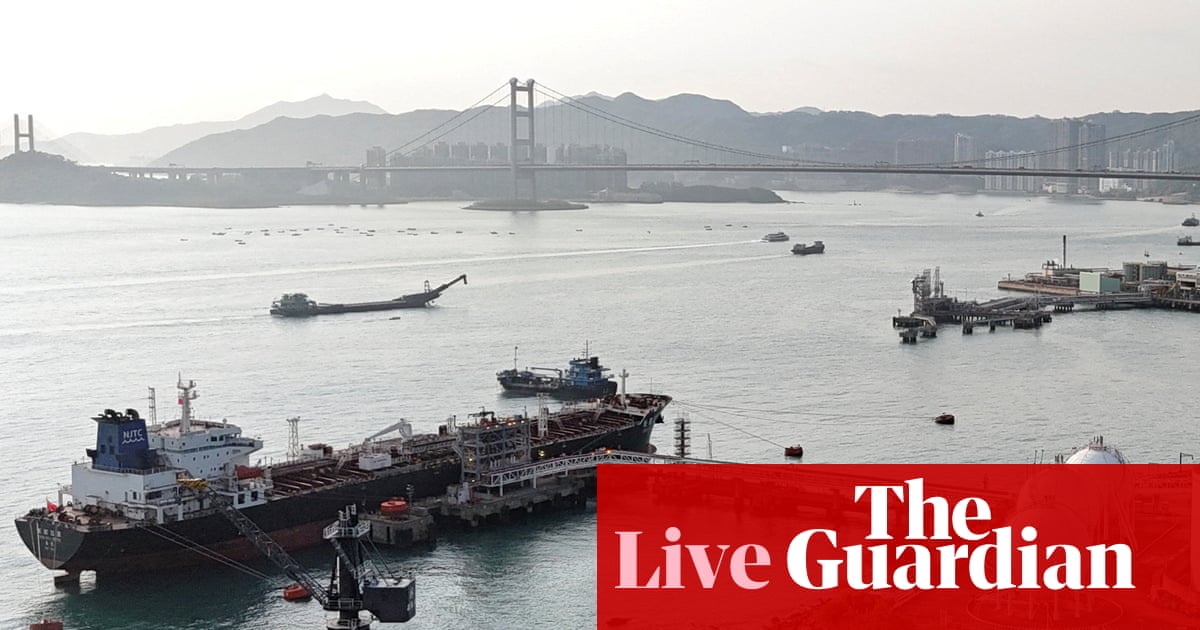
Major oil companies like BP are reporting record profits, coinciding with a global energy price surge fueled by Middle East tensions. This has drawn criticism from environmental groups and political figures, who argue these profits are disconnected from public welfare and exacerbate the climate crisis.
Imagine gas prices are like the price of candy at a big store. When there's a fight far away, the candy store has to pay more to get the candy, so they charge you more. Now, the candy store is making a lot of extra money because of this, but people are upset because candy is so expensive. Some people think the store should give some of that extra money back to help people buy candy, while others say the store is just following the rules of how candy prices work.
Analysis
A Global Commodity, Local Pain
The stark contrast between soaring oil profits and the public's struggle with high energy prices is a central theme. BP's CEO, Meg O'Neill, acknowledged the pressure on households but emphasized that the company sells a global commodity, meaning its prices are dictated by international markets. She highlighted BP's efforts to improve reliability in production and refining, and to shift production towards in-demand fuels like jet fuel and diesel. The company's trading division is also reportedly working to deliver products cost-efficiently. However, this explanation does little to assuage critics who see these profits as excessive and disconnected from the immediate needs of consumers and the planet.
Environmental and Political Backlash
Environmental campaigners are particularly vocal in their criticism. Greenpeace and Friends of the Earth argue that oil companies are profiting from environmental destruction, citing record-breaking droughts, wildfires, and heatwaves exacerbated by climate change. They contend that corporate gains are now "divorced from the public good," and that polluters should bear the cost, not ordinary citizens. Calls are being made for increased taxes on these windfall profits, with the revenue earmarked for investments in energy efficiency and renewable energy. The demand is for a rapid transition away from fossil fuels, with companies like BP, Shell, and Equinor urged to cease new oil and gas projects, such as the Jackdaw and Rosebank fields.
The Geopolitical and Economic Nexus
The surge in oil profits is directly linked to the "spike in energy prices triggered by the war in the Middle East." This geopolitical instability creates supply-side anxieties, driving up the cost of crude oil on the global market. Former President Donald Trump's public criticism of US oil giants like ExxonMobil and Chevron, demanding they "give some of that [profit] back to the public," reflects a broader political sentiment. While BP's profits are attributed to global market forces, the political pressure to address consumer costs and the environmental impact of continued fossil fuel reliance is mounting, creating a complex interplay between international conflict, corporate earnings, and domestic policy demands.
Key points
- BP reported a second-quarter profit of $5.73bn, more than double the previous year, driven by high energy prices.
- Soaring oil prices are attributed to the ongoing war in the Middle East.
- Former President Trump criticized oil companies for high profits and urged them to lower consumer prices.
- Environmental groups argue that oil company profits are disconnected from public welfare and contribute to climate change.
- Calls are increasing for higher taxes on oil companies to fund renewable energy investments.
If oil companies reinvest a significant portion of these profits into renewable energy research and infrastructure, it could accelerate the global transition away from fossil fuels. This could lead to greater energy independence, lower long-term energy costs for consumers, and a more sustainable environmental future.
Continued reliance on oil profits without substantial investment in green alternatives risks exacerbating the climate crisis and prolonging energy price volatility. This could lead to further environmental damage, increased social inequality due to high energy costs, and geopolitical instability.
Market signals
- OIL The article explicitly links soaring energy prices and oil profits to the war in the Middle East, indicating upward pressure on oil.
AI-generated analysis of potential market relevance. Not financial advice.