On China, Trump picked the right battle but the wrong strategy
The article argues the world is entering a long trade war centered on China, but says Trump’s chaotic tariff approach will worsen it.
Intelligence analysis by GPT-5.4 Mini
Global trade is shifting from broad openness toward a fight over China’s export power and control of strategic inputs. The piece argues that the real challenge is legitimate, but Trump’s across-the-board tariffs and hostility toward potential allies leave the U.S. without a coherent strategy.
The world is getting into a big tug-of-war over who makes the most important things. China is like a giant factory, and the article says Trump noticed the problem but used the wrong tools, like swinging wildly instead of making a careful plan.
Analysis
The trade fight is real
The article says a long trade war is already taking shape, driven less by a desire to restore old trade rules than by a growing effort to contain China’s manufacturing dominance. Countries are responding in different ways: the European Union is pushing agreements like Mercosur, China and south-east Asian nations are tightening ties, and Canada is looking to Beijing for closer relations.
China’s industrial scale is the core problem
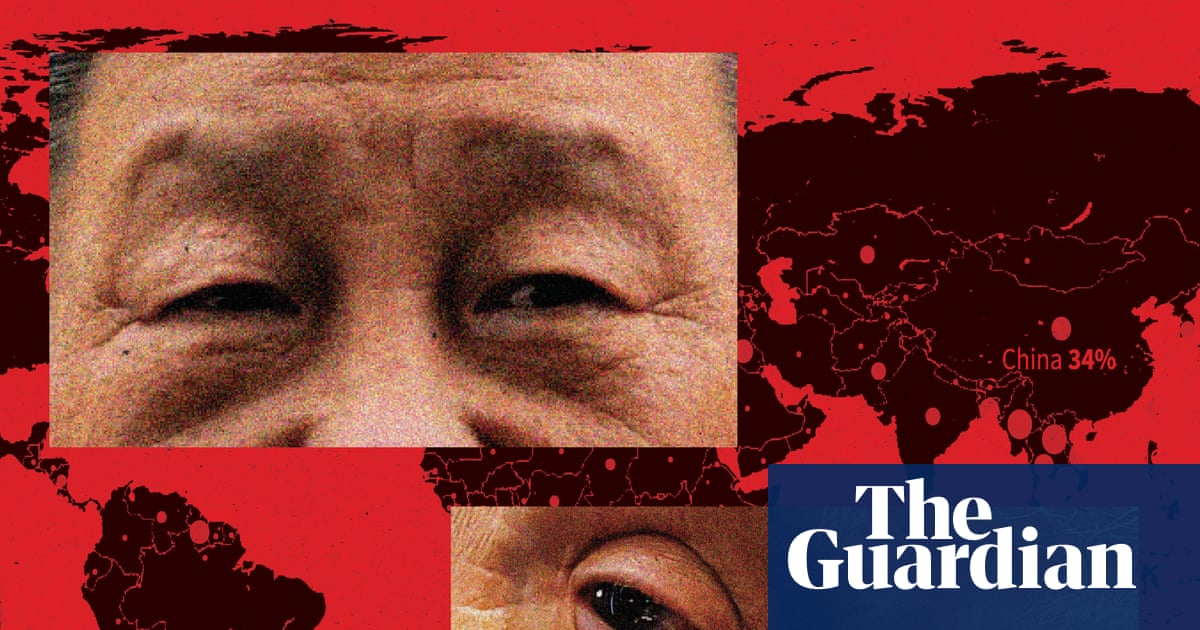
The piece points to China’s extraordinary rise in manufacturing. It now produces roughly a third of global manufacturing output, up from about 5% in 1995, and its share of manufacturing exports has grown from 3% to 20%. It also accounts for more than half of global exports in hundreds of manufacturing products. That scale, the article argues, makes China central to disputes over strategic inputs such as critical minerals, chips, and pharmaceutical components.
Why the U.S. strategy is criticized
The argument is not that the U.S. should ignore China. It is that Trump’s method is self-defeating. The article describes his approach as scattershot protectionism: tariffs applied across the board without a clear strategy, plus confrontational behavior toward countries that could be natural allies. That, it says, guarantees a messy U.S. trade policy rather than a coordinated response.
The risk of retaliation
The article also warns that China has shown it can use its own dominance as leverage. It cites past actions such as cutting rare earth exports to Japan in 2010, limiting supplies to Japan this year after Taiwan-related statements, and restricting chip-related exports in disputes with the Netherlands and the Trump administration. The broader danger is that countries may face higher prices, tighter input supplies, and retaliation if they try to block Chinese products.
Key points
- The article says the world is moving into a long trade war centered on China’s export power and strategic supply chains.
- China’s manufacturing footprint has grown massively, giving it leverage over goods like chips, minerals, magnets, and pharmaceutical inputs.
- Trump is criticized for using broad tariffs and hostility without a coherent strategy or reliable alliances.
- China has already used export restrictions in past disputes, showing it can retaliate against countries that challenge it.
- The piece argues a more strategic response is needed, but doubts the U.S. is providing one.
If governments respond with clear strategy, they could reduce dependence on vulnerable supply chains while avoiding the worst chaos. The article suggests that some economists think China could also help calm tensions by encouraging more domestic spending instead of flooding the world with exports.
If countries keep escalating with tariffs and export controls, prices for consumer goods and industrial inputs are likely to rise. The article also warns that China could retaliate by cutting off access to critical commodities and products it controls, deepening shortages and trade conflict.