On its 250th anniversary... Is America still the guardian of the seas?
The article explores the United States' historical identity as a naval power, examining the tension between isolationist and interventionist foreign policy approaches.
Intelligence analysis by Gemini 2.5 Flash
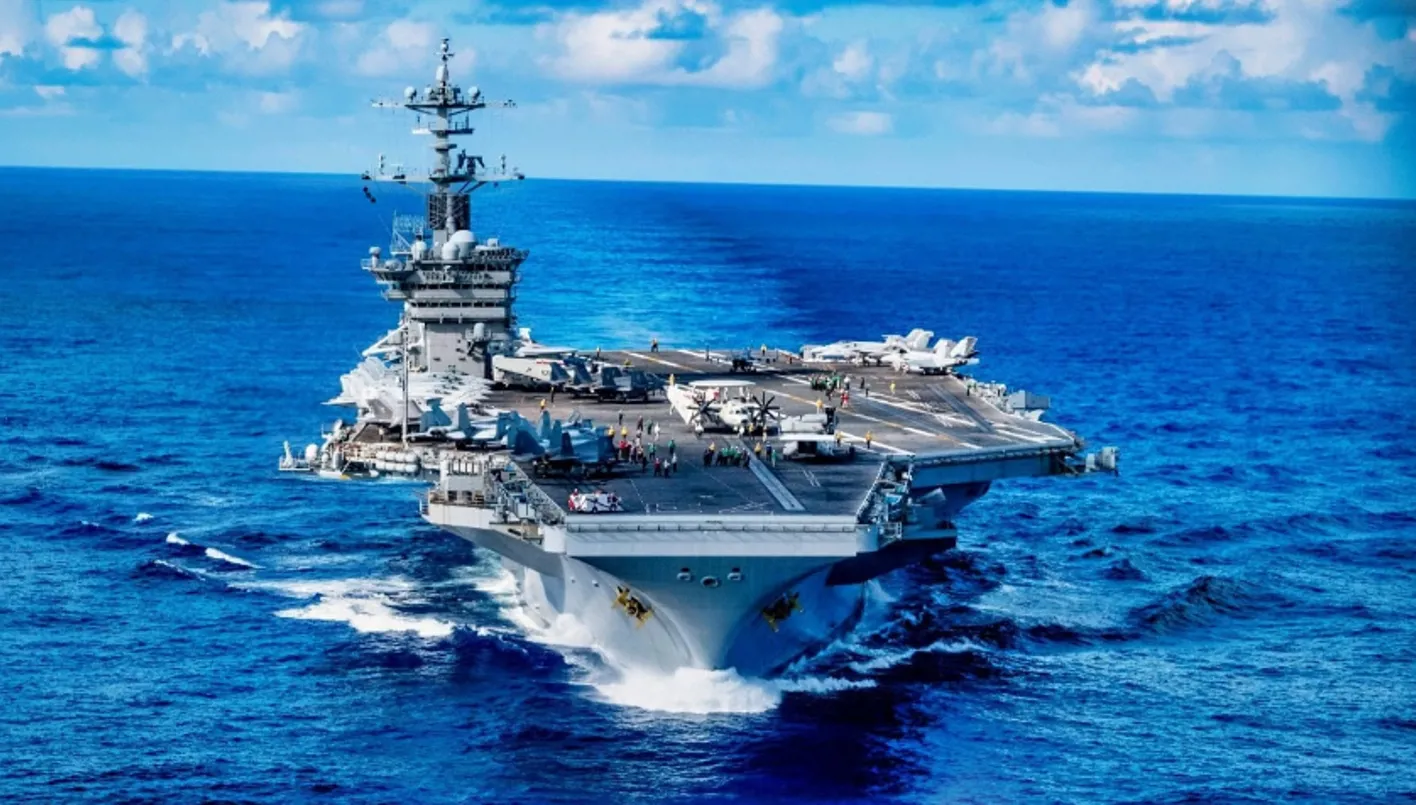
America's long-standing connection to global oceans and straits has shaped its foreign policy, oscillating between protecting its borders and ensuring global maritime trade. This historical dilemma is now playing out in the Middle East, particularly concerning Iran's potential influence over vital choke points like the Strait of Hormuz and Bab al-Mandab, raising questions about the fu…
America has always thought of itself as a big lifeguard for the world's oceans, making sure ships can travel safely. But sometimes it wants to stay home, and sometimes it feels it needs to help out far away. Now, with Iran near some very important sea lanes, it's like asking if the lifeguard will keep protecting the pool or let someone else take over, especially as America gets ready for its 250th birthday.
Analysis
The Enduring Naval Doctrine
America's identity has long been intertwined with its relationship to the oceans, a connection that has historically produced contradictory foreign policy approaches. On one hand, the vast Atlantic and Pacific Oceans fostered a sense of protection, giving rise to the 'Fortress America' concept and an isolationist international stance. This perspective viewed the oceans as barriers safeguarding the nation from external conflicts and entanglements.
Conversely, these same oceans were recognized as vital arteries for American prosperity, essential for unrestricted maritime navigation and global trade. Influential strategists like Captain Alfred Thayer Mahan, often dubbed the 'saint of sea power,' argued that control over the seas, rather than land, was the key to ultimate global hegemony. Mahan saw the ocean not as a barrier but as a 'great highway' for development and influence, a perspective that underscored the necessity of a powerful navy to secure economic interests and project power globally.
Trump's Echoes of Roosevelt
The article posits a connection between former President Donald Trump's foreign policy instincts and the historical figures who shaped America's naval strategy. Trump's admiration for Theodore Roosevelt, who expanded the Monroe Doctrine and developed the US naval fleet under Mahan's influence, suggests a similar appreciation for maintaining American power, including its naval presence. This was evident in Trump's military campaign against Houthi threats to navigation in the Bab al-Mandab Strait, an action that, from a certain angle, aligned with an interventionist approach to secure maritime interests.
However, this interventionist stance was not without internal dissent, as highlighted by J.D. Vance's opposition to the Houthi campaign and striking Iran's nuclear program. Vance's position, framed as 'not serving Europe,' reflects the persistent tension between interventionism and isolationism within American foreign policy. This internal debate underscores the ongoing struggle to define America's global role, even when faced with clear threats to international maritime security and the proliferation of nuclear weapons.
Hormuz, Iran, and American Prestige
The strategic importance of the Strait of Hormuz and Bab al-Mandab cannot be overstated, despite a diminishing direct commercial reliance for the US. These choke points are crucial for global maritime trade, and the article emphasizes that American interest, as perceived by successive presidents and strategists, dictates preventing the proliferation of nuclear weapons, especially to Iran. An Iran with nuclear capabilities could assert absolute dominance over these vital straits, posing a significant threat to global commerce and stability.
If the US, particularly under a potentially returning Trump administration, were to allow Iran to tighten its grip on the Strait of Hormuz, it would inflict a substantial wound to American prestige. Such a retreat from its role as a maritime guardian would not only undermine international trade but also challenge the solidity of American commitments to itself and its allies. As the US approaches its 250th anniversary, the question of whether it remains the 'guardian of the seas' becomes a critical measure of its global standing and future ambitions.
Key points
- US foreign policy historically oscillates between isolationism and interventionism, influenced by its relationship with global oceans and seas.
- Naval strategists like Alfred Thayer Mahan emphasized sea control as crucial for global hegemony and prosperity, viewing oceans as 'great highways'.
- Former President Donald Trump's actions, such as the campaign against Houthi threats, reflect a tension between maintaining naval influence and potential isolationist tendencies.
- The Strait of Hormuz and Bab al-Mandab are critical for global trade, and Iran's potential dominance, especially with nuclear capabilities, poses a significant challenge.
- America's 250th anniversary prompts reflection on its future role as a global maritime power and the implications of its commitments for international prestige and stability.
If the US maintains its commitment to maritime security and actively deters regional aggressors like Iran and the Houthis, it could ensure the free flow of global trade, uphold international norms, and preserve its global prestige and influence, fostering greater stability in critical waterways.
A US retreat from its role as a maritime guardian, particularly in the Middle East, could embolden regional powers like Iran to assert greater control over vital straits, leading to increased instability, disruptions to global commerce, and a significant blow to American credibility and alliances.