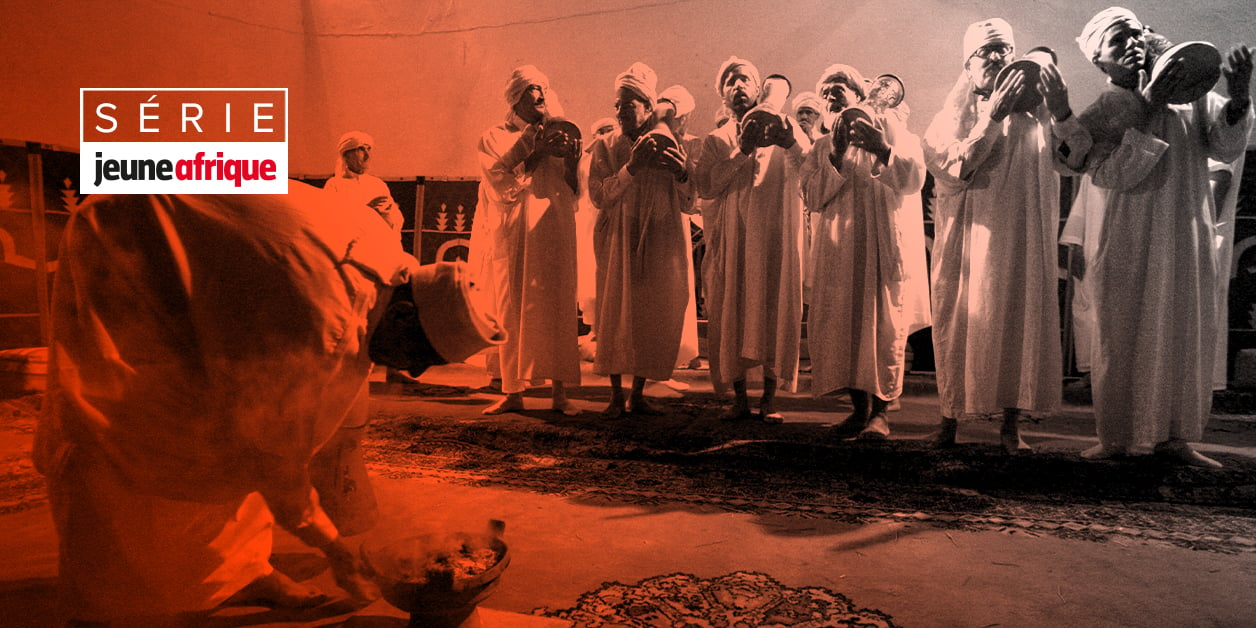
On the Origins of Moroccan Divination
Morocco is widely known for its esoteric traditions, a phenomenon rooted in its plural identity, pagan beliefs, and a syncretism between Islam and Amazigh traditions. This article explores the historical and sociological reasons behind the country's reputation as a land o…
Intelligence analysis by Gemini 2.5 Flash
Morocco holds a unique reputation in the Arab and Mediterranean world for its deep-seated esoteric traditions, which persist due to its diverse cultural heritage—encompassing Amazigh, Arab, Jewish, and African influences—and a blend of Islamic and pre-Islamic beliefs. This cultural tapestry has historically fostered a complex societal dynamic where magic and divination play a signific…
Imagine Morocco is like a big, old storybook filled with tales of magic and mystery, passed down through many different cultures like the Amazigh people, Arabs, and even Jewish and African traditions. Even though the main religion, Islam, says magic is wrong, people still believe in it a lot there, like believing in invisible spirits called djinns. Sometimes, this belief can be fun and mysterious, but other times, it can lead to sad stories, like the myth of special children called zouhris who some bad people think have magic powers and try to harm.
Analysis
Georges Hardy
The enduring perception of Morocco as a land steeped in sorcery is not a recent phenomenon, but rather a historical one, as evidenced by the observations of French historian Georges Hardy. Serving as the director of Public Instruction, Fine Arts, and Antiquities in Morocco from 1919 to 1925, Hardy noted in 1926 that "Throughout the Muslim countries, the kingdom has always been considered the land of sorcerers par excellence." This historical perspective underscores how deeply ingrained this reputation has been, suggesting that the cultural landscape of Morocco has long been associated with occult practices, even from an external, colonial viewpoint. His statement highlights a widespread belief across the broader Muslim world, positioning Morocco as a unique hub for such traditions.
Jalal El Hakmaoui
Further elaborating on this perception, Casablanca-based writer Jalal El Hakmaoui suggests that in the collective unconscious of Middle Easterners, Moroccans are seen as "exegetes, grammarians and fqihs whose knowledge is associated with an occult science." This perspective points to a deeper cultural and intellectual association, where scholarly pursuits in Morocco are intertwined with esoteric knowledge. El Hakmaoui attributes this unique perception to Morocco's rich cultural mosaic, which includes Amazigh, Jewish, Arab, and African elements, alongside a strong Sufi spiritual tradition. This blend creates a sense of mystery that often contrasts with the more orthodox religious and identitarian views prevalent in Gulf countries, making Moroccan magic, for believers, exceptionally potent.
Zouhri Children
While the article touches upon the fascinating aspects of Moroccan esoteric traditions, it also highlights their darker manifestations, particularly concerning the myth of zouhri children. These children are tragically believed to possess supernatural gifts, making them targets for treasure hunters who reportedly kidnap and sacrifice them. The article emphasizes that this is not merely a rural legend but a "sad reality," indicating a severe societal issue rooted in these occult beliefs. This aspect reveals the dangerous extremes to which such traditions can lead, transforming ancient beliefs into a source of profound harm and exploitation, underscoring the complex and often perilous nature of the occult world in Morocco.
Key points
- Morocco is widely reputed in the Arab and Mediterranean world for its enduring esoteric traditions.
- This phenomenon is attributed to Morocco's plural identity, including Amazigh, Arab, Jewish, and African influences, alongside pagan beliefs and Islamic syncretism.
- Historian Georges Hardy noted in 1926 that Morocco was considered the "land of sorcerers par excellence" across Muslim countries.
- Writer Jalal El Hakmaoui suggests Middle Easterners associate Moroccan scholars with occult science due to its unique cultural blend.
- The article warns of "terrible abuses," specifically mentioning the myth of zouhri children who are reportedly hunted and sacrificed.
The article explicitly mentions "terrible abuses, such as the fate reserved for zouhri children," who are reportedly "hunted, kidnapped and sacrificed by treasure hunters." This highlights a significant and tragic downside risk associated with the perpetuation of these occult beliefs, leading to severe harm and exploitation of vulnerable individuals.