On the Table at Shanghai Mayor Meet: AI, Sports, Tourism
Global business leaders advised Shanghai to strengthen its global brand by prioritizing AI deployment, developing into a global sports capital, and enhancing cultural tourism experiences.
Intelligence analysis by Gemini 2.5 Flash
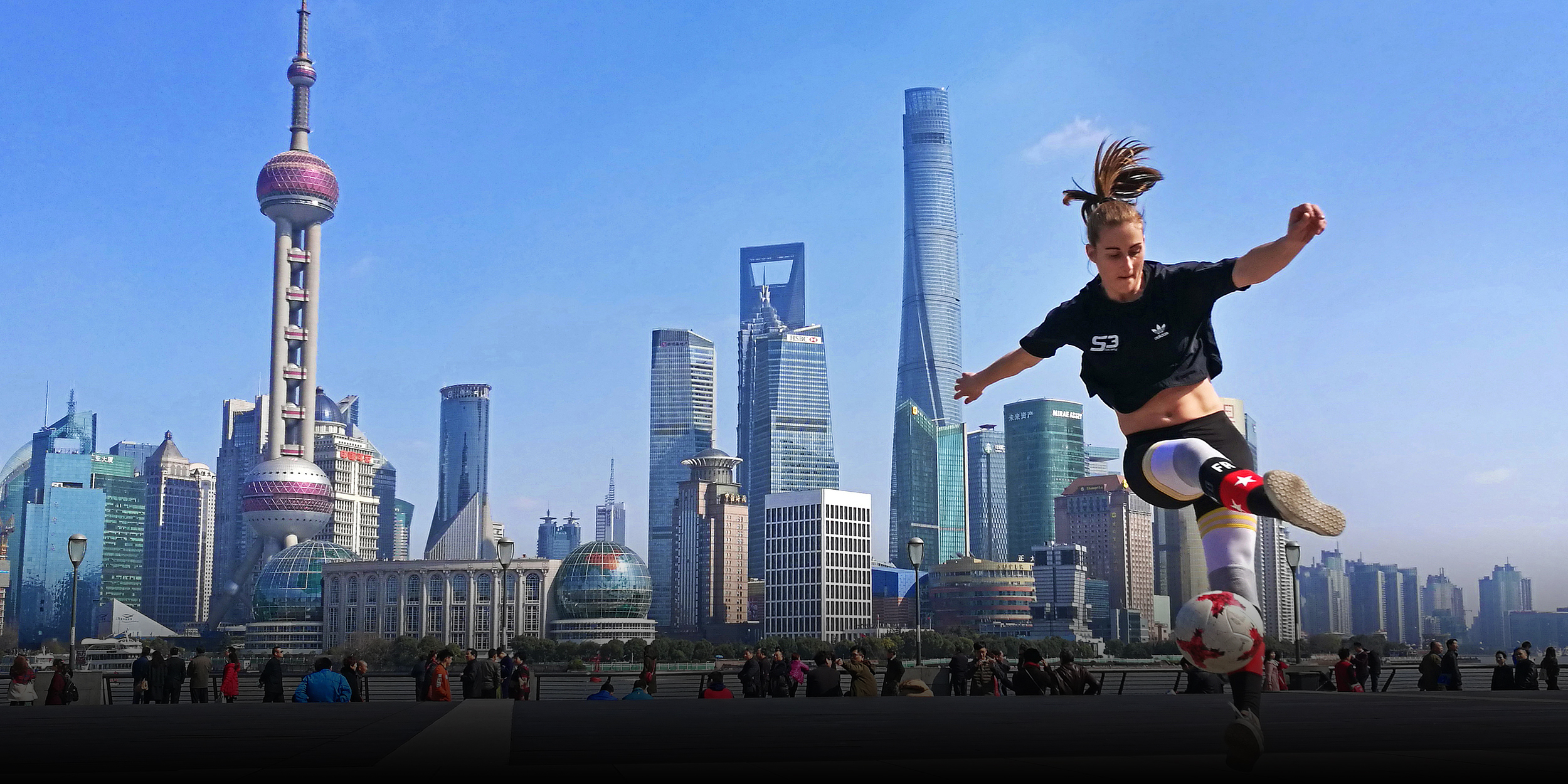
The 38th annual International Business Leaders’ Advisory Council for the Mayor of Shanghai (IBLAC) convened, bringing together international executives to offer recommendations for the city's economic development. Key suggestions focused on leveraging Shanghai's service sector for AI, capitalizing on signature sports events, and shifting tourism to emphasize unique cultural features.
Imagine Shanghai is like a really big, busy city that wants to be even more famous and fun! Important grown-ups from all over the world came to give advice, like telling the city to use smart computer brains (AI) to help businesses, make sports events super exciting parties for everyone, and show off its cool old buildings and yummy food to tourists instead of just big landmarks. It's like planning a giant city party to make it the best place to live and visit!
Analysis
The annual IBLAC meeting serves as a crucial platform for Shanghai to solicit external expertise on its economic trajectory, reflecting the city's commitment to international collaboration and strategic planning. The advice from global executives underscores a multi-faceted approach to urban development, moving beyond traditional industrial growth to focus on innovation, lifestyle, and cultural branding.
Goldman Sachs
John Waldron, President and COO of Goldman Sachs, highlighted the pivotal role of Shanghai's service industry in driving economic growth, consumption, and fostering innovation. His keynote speech specifically urged Shanghai to expand its cross-border data transfer framework, emphasizing the need to give greater priority to financial institutions and applicants. This recommendation points to the critical importance of data flow for modern financial services and Shanghai's aspirations as a global financial hub, suggesting that current frameworks may be a bottleneck for international firms operating within the city.
Waldron's advice implies that streamlining data governance is not merely a technical adjustment but a strategic imperative for Shanghai to attract and retain top-tier global financial players. By addressing these regulatory aspects, Shanghai could significantly enhance its competitiveness and integrate more deeply into the global financial ecosystem. The focus on financial institutions indicates a recognition of their high-value contribution to the city's GDP, which already sees its service industry accounting for nearly 80% of its economic output.
Nike
Elliott Hill, President and CEO of Nike International, presented a vision for Shanghai to become a global sports capital by capitalizing on signature events like the Shanghai Marathon and the F1 Chinese Grand Prix. He suggested transforming these events into citywide celebrations that integrate sports with commercial districts, public spaces, culture, and retail. This approach aims to maximize the economic impact of such events, spreading benefits across various sectors of the city's economy.
Hill also advocated for making exercise an integral part of everyday life through community sports gatherings, school programs, and local runs. His call for deeper collaboration among government, businesses, and universities is crucial for expanding access to sports, attracting more world-class events, and developing local talent. This holistic strategy seeks to embed sports into the city's identity, fostering both public health and economic vitality, thereby cementing Shanghai's status on the global stage.
Bain & Company
Manny Maceda, Partner and Chairman at Bain & Company, advised Shanghai to pivot its tourism strategy from merely showcasing attractions to offering immersive experiences. He recommended centering tourist experiences around distinctive Shanghai cultural features, such as its Art Deco architecture, rich jazz history, diverse food scene, and unique riverfront customs. This shift aims to strengthen the city's global cultural brand and sharpen its identity as a place where "East meets West."
This strategic reorientation suggests that a more curated and authentic cultural narrative can differentiate Shanghai in the competitive global tourism market. By emphasizing unique local characteristics, the city can create more memorable and engaging experiences for visitors, fostering a deeper connection to its heritage. Mayor Zhu Zhongming's commitment to turning this "global wisdom into a 'Shanghai solution'" indicates a readiness to adopt these forward-looking recommendations to upgrade the service industry and enhance the city's international appeal.
Key points
- The 38th IBLAC meeting saw global business leaders advise Shanghai on economic development.
- Recommendations focused on leading AI deployment, becoming a global sports capital, and enhancing cultural tourism.
- Goldman Sachs urged expanding cross-border data transfer for financial institutions.
- Nike suggested making signature sports events citywide celebrations and integrating exercise into daily life.
- Bain & Company advised shifting tourism to focus on unique cultural experiences like Art Deco and jazz history.
- Shanghai Mayor Zhu Zhongming committed to transforming these recommendations into actionable 'Shanghai solutions'.
If Shanghai successfully implements these recommendations, it could significantly enhance its global standing as a hub for AI innovation, a premier sports destination, and a unique cultural tourism hotspot. This strategic development would likely attract more international talent and investment, further boosting its high-value service industry and overall economic growth.
Challenges in expanding cross-border data transfer frameworks, as highlighted by Goldman Sachs, could hinder the full potential of AI deployment and financial sector growth. Additionally, intense global competition in sports and tourism, coupled with the complexities of integrating diverse cultural elements, might make it difficult for Shanghai to achieve its ambitious goals without sustained, coordinated effort.