Once he felt like a failure, now he's helping to give students like him a leg up in life
Clarence Ching, a former struggling student diagnosed with ADHD, founded the charity Access Singapore to provide mentorship, career exposure, and apprenticeships to disadvantaged youth, aiming to boost confidence and opportunities beyond academic support.
Intelligence analysis by Llama
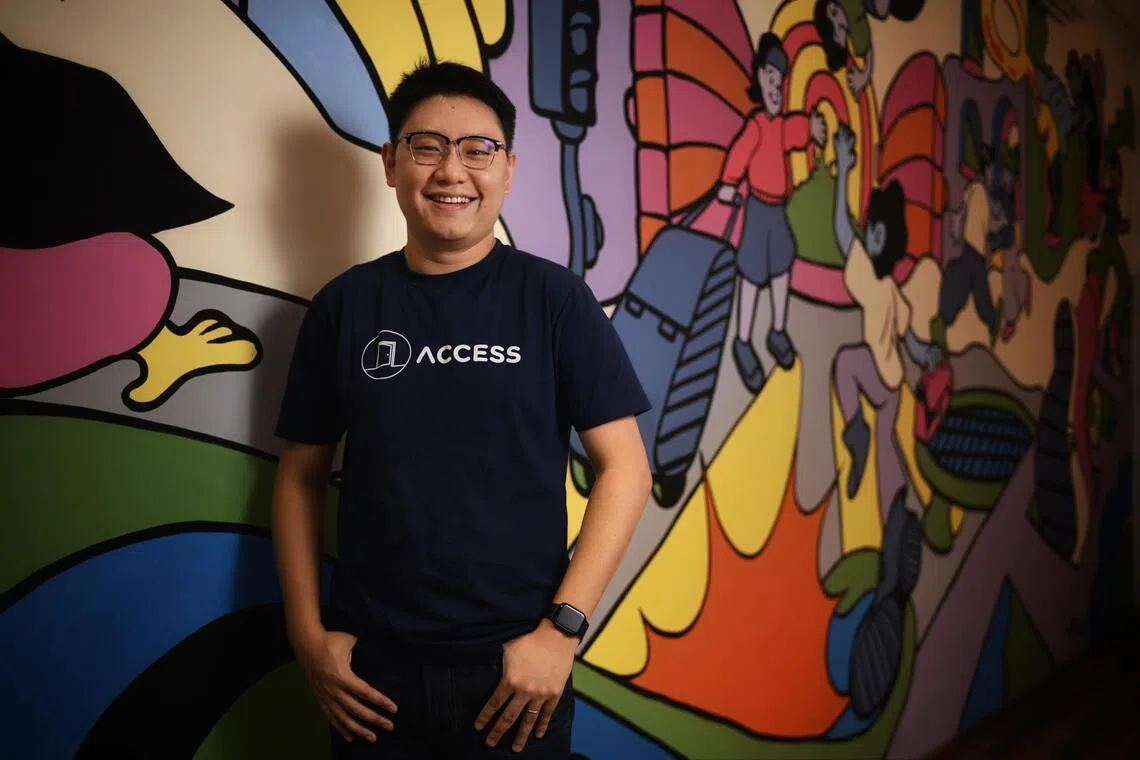
Clarence Ching, a former struggling student, founded Access Singapore to help disadvantaged youth build social capital, providing mentorship, career exposure, and apprenticeships to boost confidence and opportunities beyond academic support.
Clarence Ching was a struggling student who felt like a failure. But he used his experiences to help others like him. He started a charity called Access Singapore to give students from disadvantaged backgrounds a chance to build social capital and get better opportunities in life.
Analysis
A $60B Vote of Confidence
Clarence Ching's story is a testament to the power of social capital in shaping one's life. Growing up, he felt like a failure, struggling with ADHD and academic struggles. However, his experiences have shaped his life's mission to help students from disadvantaged backgrounds build the social capital they need to expand their opportunities in life. He founded Access Singapore, a charity that provides mentorship, career exposure, and apprenticeships to disadvantaged youth, aiming to boost confidence and opportunities beyond academic support.
Why Cursor?
Ching's journey is a reminder that exposure to opportunities, mentors, and professional networks can be just as or even more transformative as academic support. He believes that social capital can boost one's confidence and potential, and that many students from disadvantaged backgrounds feel they are not good enough. If you have self-confidence, that's half the battle won.
The Road Ahead
Access Singapore has grown from a small outfit offering a work attachment programme to a charity running eight initiatives spanning mentorship, career exposure, and apprenticeships. The charity recently rolled out an apprenticeship programme where it places polytechnic graduates in 18-month work stints with firms, providing them with mentorship, structured training, and other support. Ching's aspirations extend beyond running programmes; he wants to deepen Singapore's understanding of social mobility. He is developing a National Social Capital and Opportunity Index to measure disparities in access to opportunities and networks that influence life outcomes. The charity hopes its findings will help policymakers and the public identify where support is most needed.
Key points
- Clarence Ching founded Access Singapore to help disadvantaged youth build social capital and get better opportunities in life.
- The charity provides mentorship, career exposure, and apprenticeships to disadvantaged youth.
- Access Singapore is developing a National Social Capital and Opportunity Index to measure disparities in access to opportunities and networks that influence life outcomes.
- The charity hopes its findings will help policymakers and the public identify where support is most needed.
If Clarence Ching's mission to help disadvantaged youth build social capital is successful, it could lead to a more inclusive and equitable society in Singapore, where everyone has access to opportunities and can reach their full potential.
However, there are also risks that Clarence Ching's mission may not be successful, such as a lack of resources, limited reach, and resistance from those who may not see the value in social capital. Additionally, the charity may face challenges in measuring and addressing disparities in access to opportunities and networks.