Once reliant on Samsung and SK Hynix, Chinese smartphone makers are turning to CXMT
China's leading memory chipmaker, CXMT, is gaining traction among local smartphone vendors, with its high-end LPDDR5X DRAM chips now featured in flagship Chinese handsets like Nubia's NaviX Ultra, which also integrates ByteDance's Doubao AI assistant.
Intelligence analysis by Gemini 2.5 Flash
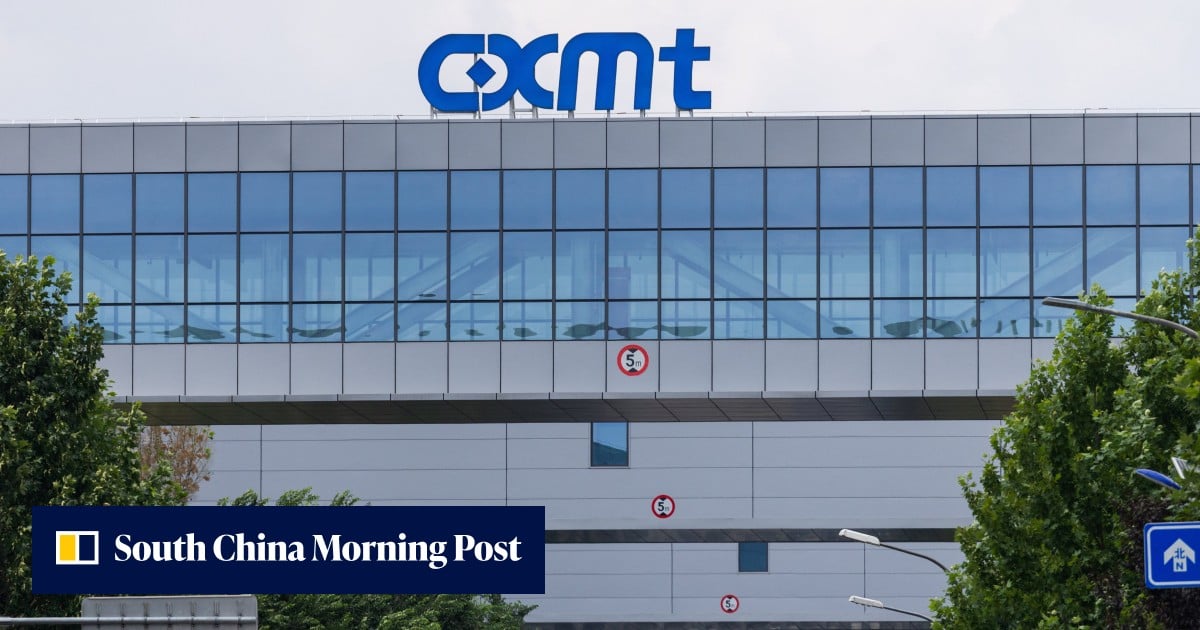
Fueled by a global memory shortage and a push into the premium market, Chinese smartphone manufacturers are increasingly incorporating domestically produced LPDDR5X DRAM chips from ChangXin Memory Technologies (CXMT) into their flagship devices. This strategic pivot is exemplified by the Nubia NaviX Ultra, which not only uses CXMT chips but also integrates ByteDance's Doubao AI assist…
Imagine your phone needs a super-fast brain to remember everything and help you do cool stuff, especially with new smart helpers like a talking robot. For a long time, Chinese phones got these super-fast memory brains from big companies in other countries. But now, a Chinese company called CXMT is making its own really good, super-fast memory chips, and phones like the new Nubia one are using them. This phone also has a smart helper from TikTok's parent company that can understand what you say and do things for you, making it a very clever phone all made with more Chinese parts.
Analysis
CXMT's LPDDR5X
ChangXin Memory Technologies (CXMT), a prominent Chinese memory chipmaker, is making significant inroads into the domestic smartphone market. The company's advanced LPDDR5X DRAM chips, boasting data transfer speeds of up to 10,667 megabits per second (Mbps), are now being adopted in flagship Chinese handsets. This development signals a strategic shift for local vendors, who have historically depended on international giants like Samsung and SK Hynix for their memory chip needs.
The increasing adoption of CXMT's high-end chips is partly driven by a global memory shortage, providing an opportune moment for domestic suppliers to fill the demand. This move not only strengthens China's semiconductor self-sufficiency but also positions CXMT as a credible alternative in the competitive memory chip landscape. The integration into premium devices underscores the improving quality and performance of domestically produced components, challenging the long-standing dominance of foreign suppliers.
Nubia NaviX Ultra
A prime example of this trend is the Nubia NaviX Ultra, a flagship smartphone from ZTE-backed Nubia, which recently launched with CXMT's LPDDR5X DRAM chips. This handset is notable for being the first mass-market smartphone to feature such a high level of domestically made LPDDR5X chips on a large scale. The device, priced from 5,999 yuan (US$885), targets the premium segment of the market, showcasing the capabilities of Chinese-made components in high-performance applications.
The NaviX Ultra's adoption of CXMT chips is a significant milestone, demonstrating confidence in the domestic supply chain for critical components. This integration is not merely about sourcing local parts but about ensuring that these parts meet the stringent performance requirements of top-tier smartphones. The success of such collaborations could pave the way for broader adoption of CXMT's memory solutions across other Chinese smartphone brands, further solidifying its market position.
ByteDance's Doubao
Beyond its hardware innovations, the Nubia NaviX Ultra also stands out for its integration of ByteDance’s Doubao artificial intelligence assistant. Dubbed the "Nubia Doubao phone," this device is claimed to be the first mass-market smartphone equipped with an AI agent, offering advanced capabilities to users. The consumer version of the Doubao assistant enables the phone to respond to spoken instructions and execute tasks on behalf of the user, enhancing the overall user experience through intelligent automation.
This integration of a powerful AI agent directly into a flagship device, alongside domestically produced memory chips, highlights a concerted effort within China to develop a comprehensive, self-reliant tech ecosystem. The synergy between advanced hardware from CXMT and sophisticated AI software from ByteDance positions Chinese smartphone makers to offer competitive products that leverage cutting-edge domestic technology. This strategic alignment could accelerate the development and adoption of on-device AI capabilities, reducing reliance on external cloud services and fostering innovation within the local market.
Key points
- CXMT, a Chinese memory chipmaker, is supplying LPDDR5X DRAM chips to flagship Chinese smartphones.
- ZTE-backed Nubia's NaviX Ultra is among the first mass-market phones to extensively use CXMT's high-speed LPDDR5X chips.
- The Nubia NaviX Ultra also integrates ByteDance's Doubao AI assistant, offering advanced on-device AI capabilities.
- This trend marks a move by Chinese smartphone makers to reduce reliance on foreign memory chip suppliers like Samsung and SK Hynix.
- The adoption is fueled by a global memory shortage and a push by Chinese vendors into the premium smartphone market.
The increasing adoption of CXMT's high-end memory chips by Chinese smartphone makers signals a significant step towards greater technological self-sufficiency and innovation within China's tech ecosystem. This shift could foster a more competitive domestic supply chain, potentially leading to more affordable and advanced devices for consumers, while also accelerating the development of integrated AI capabilities directly on devices.
While promising, the reliance on domestic suppliers like CXMT could face challenges if the quality or production capacity cannot consistently meet the demands of the premium smartphone market. Potential geopolitical tensions or trade restrictions could also disrupt the supply chain, hindering the growth of these nascent domestic alternatives and impacting the global competitiveness of Chinese smartphone brands.


