‘One day I thought, that’s enough’: the people fighting back against pothole-riddled roads
Britain’s pothole crisis has sparked court cases, oddball vigilantes and political pressure as residents push councils to repair crumbling roads.
Intelligence analysis by GPT-5.4 Mini
The Guardian says badly damaged roads have become a national nuisance and a political issue, with residents using courts, graffiti and social media to force action. The piece ties the anger to rising claims, council inaction and wider road wear.
Roads can crack and break when rain, cold weather, and heavy vehicles keep hammering them. That is how a tiny bump can become a big hole.
In this story, some people got so fed up that they started using courts, plants, drawings, and other strange tricks to make councils notice the damage.
It matters because broken roads cost money, damage cars, and make ordinary trips harder. It is like a sidewalk full of holes: even a short walk or drive can turn into a problem.
Analysis
What the article argues
The piece opens with Derek Bennett, a 68-year-old construction consultant who took a pothole complaint all the way to St Albans crown court after his council ignored repeated letters. He used section 56 of the UK Highways Act, which allows a member of the public to seek a court order forcing a highway authority to repair a road in disrepair.
A wider road crisis
The article treats Bennett’s case as a sign of something bigger: Britain’s roads are in poor shape, and the issue has become politically potent. It cites the RAC saying pothole-related callouts have jumped sharply, while pothole-related claims have risen since 2021. YouGov is quoted saying road condition was the top issue for voters ahead of local elections, showing that the problem has moved from nuisance to ballot-box concern.
From complaints to vigilantes
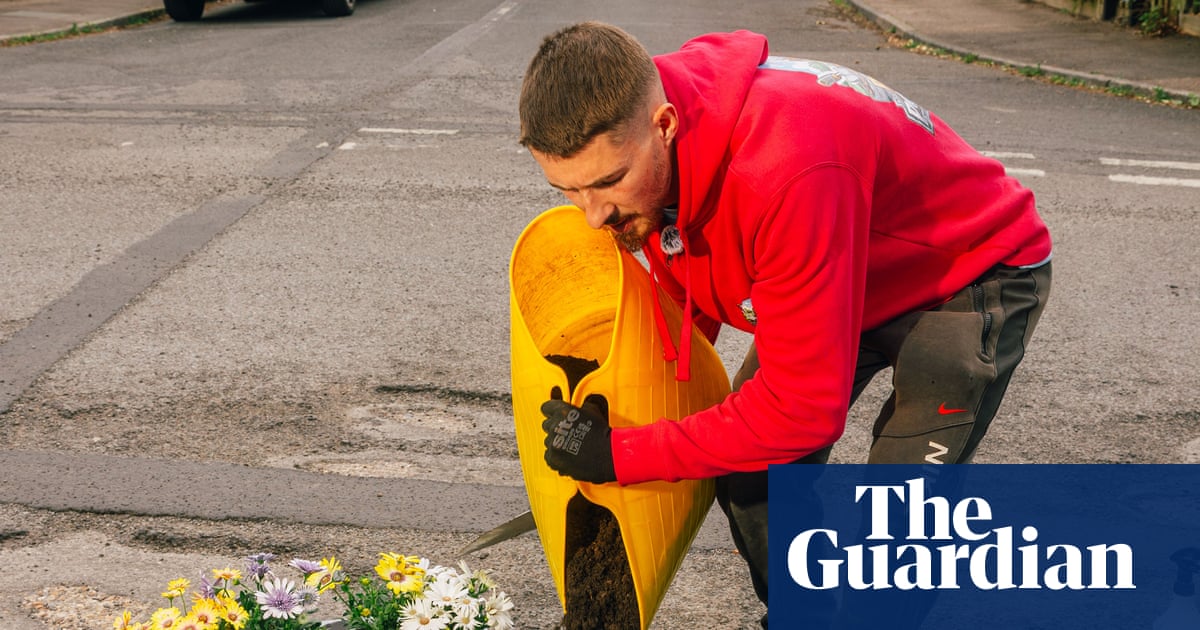
The story then describes the growth of “pothole vigilantes.” Some use spray paint, toys or rubber ducks to draw attention to defects; others, including Harry Smith-Haggett, fill holes with flowers to make them impossible to ignore. The article says these acts are often legally questionable, but they highlight how frustrated residents feel when councils do not respond.
Why the holes keep appearing
Later, the article shifts into explanation. It says potholes form when road surfaces weaken and water gets in, then freezing and thawing makes the damage worse. Wet winters, heavier vehicles, more SUVs and EVs, and constant traffic all add pressure. The result is a public works problem that now carries legal, financial and political consequences.
Key points
- Derek Bennett used a UK law to push a council to repair potholes after repeated complaints were ignored.
- The article says potholes have become a political issue, with voters and parties focused on road quality.
- Rising claims, council costs and damaged vehicles show the financial impact of the problem.
- Creative protest tactics are spreading, from graffiti to plants, ducks and other roadside displays.
- The piece links worse roads to weather, heavier vehicles and long-term road wear.