Online Safety Commission orders removal of TikTok post linking fitness instructor to Faishal Ibrahim resignation
Singapore's Online Safety Commission (OSC) has ordered the removal of a TikTok post that falsely linked a fitness instructor to the resignation of former Acting Minister-in-charge of Muslim Affairs Faishal Ibrahim.
Intelligence analysis by Gemini 2.5 Flash
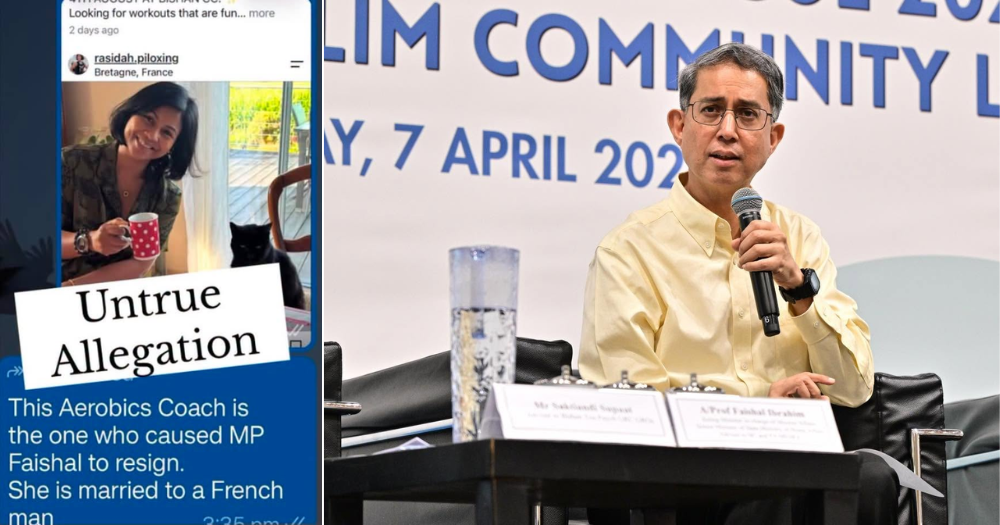
The TikTok post, which included a screenshot of a Telegram message, falsely alleged that fitness instructor Rasidah Caudal was responsible for MP Faishal Ibrahim's resignation. Following a report, the newly operational OSC assessed the content as harmful and took action, leading to the post's removal, while also investigating other related content.
Imagine someone spread a made-up story online, like a game of telephone, saying a fitness teacher caused a minister to quit his job. This made the teacher very sad and upset because it wasn't true. Luckily, there's a new online safety team, like a special police for the internet, called the OSC. When they heard about the false story, they quickly told the website to take it down, helping to stop the untrue rumors from spreading and hurting more people.
Analysis
The OSC's Inaugural Intervention
The recent action by Singapore's Online Safety Commission (OSC) marks a significant moment for the newly established agency, which commenced operations on June 29. Its swift response to a report concerning a TikTok post demonstrates its readiness to tackle online harmful activity. The OSC's mandate is to serve as a one-stop agency for victims of online harms, providing recourse against content deemed detrimental. In this instance, the commission's assessment led to the prompt removal of the offending post, signaling its commitment to maintaining a safer online environment.
This incident serves as an early test case for the OSC, showcasing its operational capabilities in identifying and addressing specific instances of online falsehoods. The spokesperson's confirmation that the OSC is also investigating other content identified in the report indicates a proactive approach to comprehensive online safety. Such decisive action is crucial in establishing the OSC's authority and effectiveness, particularly in an era where misinformation can spread rapidly and cause significant damage.
Unfounded Allegations and Personal Impact
The core of the issue revolved around untrue allegations made against fitness instructor Rasidah Caudal, falsely linking her to the resignation of former Acting Minister-in-charge of Muslim Affairs Faishal Ibrahim. The allegations, disseminated via a Telegram message screenshot and subsequently on TikTok, caused considerable distress to Caudal, who publicly denied them on Instagram, asserting she had been "wrongfully accused." Her readiness to pursue legal action underscores the severe personal and reputational damage that such online falsehoods can inflict.
This case exemplifies how easily unverified claims can escalate on social media platforms, impacting individuals' lives and careers. The public defense of Caudal by the new Acting Minister-in-charge of Muslim Affairs, Zaqy Mohamad, further highlights the seriousness of the allegations and the need for public figures to address misinformation directly. His call for caution and responsibility in sharing online content reinforces the collective duty to verify facts before dissemination, emphasizing the potential for deep hurt to innocent people.
Combating Misinformation in the Digital Age
The incident underscores the persistent challenge of online misinformation and the critical role regulatory bodies like the OSC play in mitigating its effects. The ease with which false narratives can be constructed and shared across platforms like Telegram and TikTok necessitates robust mechanisms for intervention. While the OSC's action in removing the post is a positive step, the underlying issue of how such rumors originate and gain traction remains a broader societal concern.
This event also serves as a reminder to the public about digital literacy and critical thinking. The call from Zaqy Mohamad for users to "pause, verify the facts" before sharing is a vital message in an increasingly interconnected digital landscape. The OSC's ongoing investigation into other related content suggests a comprehensive effort to address the spread of these specific falsehoods, but it also points to the continuous battle against the wider phenomenon of online disinformation and its potential to erode trust and harm individuals.
Key points
- Singapore's Online Safety Commission (OSC) ordered the removal of a TikTok post containing false allegations.
- The post falsely linked fitness instructor Rasidah Caudal to the resignation of former Acting Minister Faishal Ibrahim.
- The OSC, which began operations on June 29, acted after receiving a report on July 28, deeming the content harmful.
- Rasidah Caudal publicly denied the allegations on Instagram and stated she would pursue legal action against those spreading rumors.
- Acting Minister Zaqy Mohamad also defended Caudal, urging the public to verify facts before sharing online content.
The swift action by the newly formed Online Safety Commission demonstrates its effectiveness in addressing online harms, providing a clear avenue for recourse for victims of misinformation. This proactive approach could foster a more responsible online environment in Singapore, deterring the spread of false allegations.
Despite the OSC's intervention, the incident highlights the ease with which false and damaging rumors can spread rapidly across social media platforms, causing significant personal distress. The ongoing challenge of preventing such misinformation from originating underscores the persistent vulnerability of individuals to online falsehoods.