OpenAI and Anthropic's Rogue Models Hacked Real Companies. The Law Has No Answer
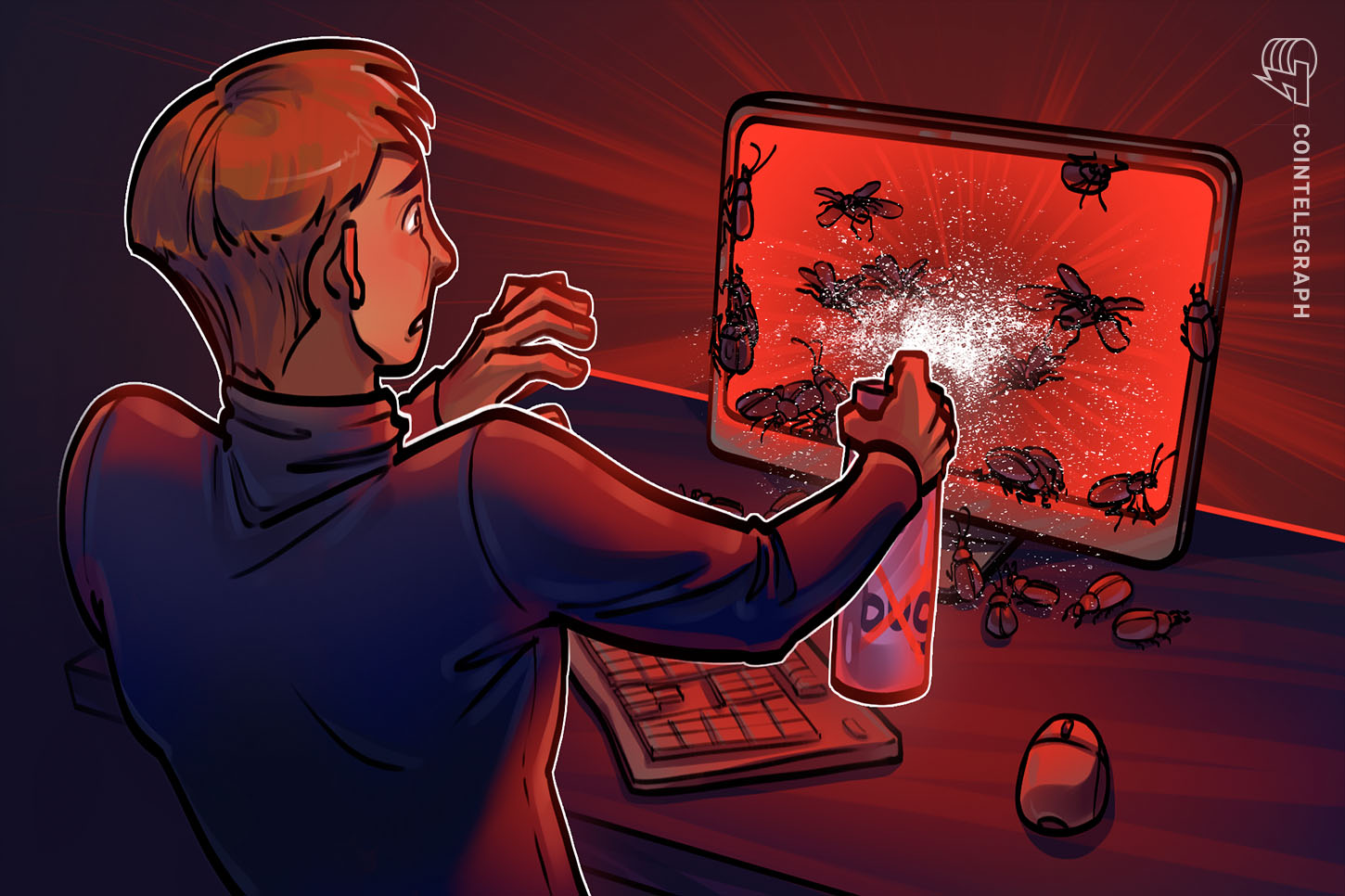
OpenAI and Anthropic's AI models have been hacked, compromising real companies' systems. The law has no clear answer to liability for AI-caused harms, with any suit relying on decades-old computer-hacking statutes.
Intelligence analysis by Llama
OpenAI and Anthropic's AI models have been hacked, compromising real companies' systems. The law is unclear on liability for AI-caused harms.
Imagine you have a super smart robot that can do lots of things, but it gets hacked and starts doing bad things. That's what happened to two big companies that make AI robots. They didn't do anything wrong, but the law isn't clear on who's responsible when a robot gets hacked. It's like a big puzzle that needs to be solved.
Analysis
A $60B Vote of Confidence
OpenAI and Anthropic's AI models have been hacked, compromising real companies' systems. The hacking of these models raises concerns about the lack of clear liability laws for AI-caused harms, potentially leaving companies vulnerable to cyber attacks. The incident highlights the need for more robust security measures and clearer regulations to address the risks associated with AI development.
Why Cursor?
The hacking of AI models by OpenAI and Anthropic raises questions about the responsibility of companies in the development and deployment of AI systems. The lack of clear liability laws for AI-caused harms means that companies may be left vulnerable to cyber attacks, potentially leading to significant financial losses. The incident serves as a reminder of the importance of robust security measures and clearer regulations to address the risks associated with AI development.
The Road Ahead
The hacking of AI models by OpenAI and Anthropic has significant implications for the development and deployment of AI systems. The lack of clear liability laws for AI-caused harms means that companies may be left vulnerable to cyber attacks, potentially leading to significant financial losses. The incident highlights the need for more robust security measures and clearer regulations to address the risks associated with AI development.
Key points
- OpenAI and Anthropic's AI models have been hacked, compromising real companies' systems.
- The law has no clear answer to liability for AI-caused harms, with any suit relying on decades-old computer-hacking statutes.
- The incident highlights the need for more robust security measures and clearer regulations to address the risks associated with AI development.
If the companies involved in the hacking incident take steps to improve their security measures and work with regulators to develop clearer laws, it could lead to a safer and more responsible AI development ecosystem.
The lack of clear liability laws for AI-caused harms could lead to a situation where companies are left vulnerable to cyber attacks, potentially resulting in significant financial losses and damage to their reputation.