OpenClaw went viral. Meet the maintainers building and securing it
OpenClaw, an AI assistant, gained massive popularity with over 388,000 stars and 81,000 forks in just six months.
Intelligence analysis by Qwen 2.5 (3B)
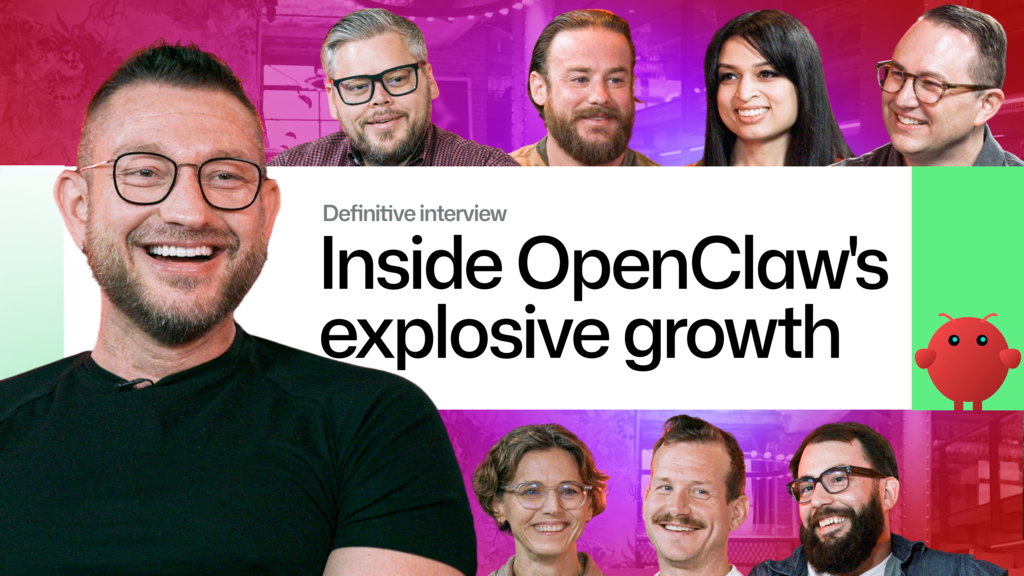
OpenClaw, a personal AI assistant, experienced rapid growth and the maintainers discuss managing contributions, trust, and security.
OpenClaw is a personal AI assistant that connects with messaging channels. It gained a lot of stars and forks quickly. The maintainers learned how to manage lots of pull requests and help new people join the project. They also figured out how to review code written by AI.
Analysis
Lesson 1: Managing Contributions
OpenClaw's maintainers found themselves managing thousands of pull requests and issues, with some contributors opening hundreds at once. They adapted by finding valuable contributions and working with contributors to refine or complete changes.
Lesson 2: Welcoming New Contributors
Maintainers emphasized the importance of being welcoming to new participants, including first-time open source contributors and non-developers using AI agents. They looked for promising ideas and worked with contributors to improve their contributions.
Lesson 3: Balancing Agents and Human Work
Agents can help reclaim time, but they can also make it harder to step away from work. Maintainers discussed the importance of understanding the value of contributions and the importance of knowing when to step away from work.
Lesson 4: Finding Value in Contributions
Contributors arrived through various means, including security work, integrations, or community participation. The maintainers identified evidence to help pull requests stand out, such as agent transcripts, screenshots, and explanations of the contributor's thinking.
Lesson 5: Reviewing Agent Code
Maintainers increasingly relied on AI tools to review AI-generated contributions, while also taking a more hands-on approach to improving submitted code. They used GitHub Copilot for reviews and generated clarity on the files attached.
Lesson 6: Trust and Security
The new trust signal is showing your work, such as agent transcripts, screenshots, and explanations of the contributor's thinking. Maintainers emphasized the importance of understanding the feature and how it interacts with the rest of the project.
Key points
- OpenClaw gained over 388,000 stars and 81,000 forks in six months.
- Maintainers learned to manage thousands of pull requests and issues.
- They emphasized the importance of finding valuable contributions and working with contributors.
- Agents can help with work, but they can also make it harder to step away.
- Maintainers use AI tools to review AI-generated contributions and improve submitted code.
- The new trust signal is showing evidence of contributions, such as agent transcripts and explanations of the contributor's thinking.
As OpenClaw continues to grow, it can help more people use AI assistants and improve their work-life balance.
If OpenClaw becomes too popular, it could lead to security issues and make it harder for maintainers to manage contributions.