Operation Radd-ul-Fitna-3: Five militants killed in Panjgur
Security forces in Panjgur, Balochistan, killed five militants and wounded several others during an intelligence-based operation, recovering weapons, vehicles, and an IED.
Intelligence analysis by Gemini 2.5 Flash
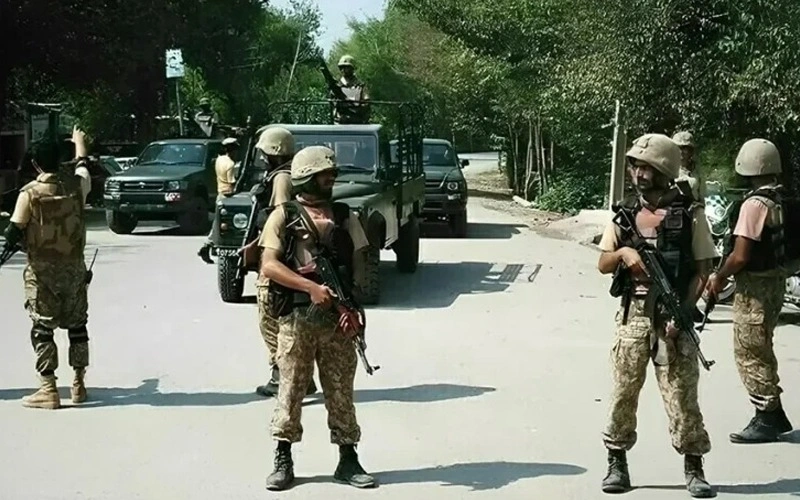
An intelligence-based operation, part of Operation Radd-ul-Fitna-3, was conducted in the Kale Suran area of Panjgur following a tip about militants planning a major terrorist attack. Security forces engaged the group, eliminating five individuals allegedly involved in various criminal and terrorist activities, including planning suicide attacks, and seizing a significant cache of arms…
Imagine a group of bad guys was planning something really mean in a town called Panjgur. Our brave security forces got a secret tip, like a whisper, about where these bad guys were. They went there with cool gadgets and stopped them, killing five of them and finding lots of weapons, motorcycles, and even a hidden bomb. The security forces said they won't stop until all the bad guys are gone, keeping everyone safe.
Analysis
Operation Radd-ul-Fitna-3
Operation Radd-ul-Fitna-3 represents a continued and intensified push by Pakistani security forces to dismantle militant networks operating within Balochistan. This specific intelligence-based operation in Panjgur underscores the proactive approach taken by authorities, relying on actionable intelligence to preempt terrorist activities. The use of advanced technology and weapons during the engagement suggests a sophisticated and well-equipped response to the militant threat, aiming to minimize risks to security personnel while maximizing operational effectiveness.
The recovery of a large quantity of modern weapons, ammunition, vehicles, and an improvised explosive device (IED) is a significant outcome. Such seizures not only deprive militant groups of their operational capabilities but also prevent future attacks that could target civilians or infrastructure. The consistent execution of these operations across Balochistan reflects a firm resolve to eradicate terrorism and restore peace to the province, which has long grappled with security challenges.
Panjgur
The operation's location in Panjgur, specifically the Kale Suran area, is indicative of the persistent militant presence in certain parts of Balochistan. The intelligence tip regarding militants traveling on motorcycles and allegedly planning a major terrorist activity highlights the mobility and adaptability of these groups. Panjgur, like other districts in Balochistan, has been a flashpoint for various forms of militancy, ranging from separatist movements to religiously motivated extremist groups.
Security sources detailed the alleged involvement of the killed militants in a wide array of criminal and terrorist activities. These included severe offenses such as looting, extortion, kidnapping for ransom, and targeted killings, which directly impact the lives and livelihoods of local residents. Furthermore, the revelation that these militants were allegedly involved in planning suicide attacks underscores the extreme threat they posed, necessitating decisive action from security forces to neutralize such dangerous elements.
Fitna al-Hindustan
The term "Fitna al-Hindustan," as referred to by authorities in Balochistan, provides insight into the perceived ideological underpinnings or external linkages of the militant groups being targeted. While the article does not elaborate on the specific meaning or origin of this term, its usage suggests a broader narrative employed by security forces to frame the ongoing conflict. This framing often implies a connection to external adversaries or a specific ideological challenge that authorities believe is destabilizing the region.
By linking the operations to combating "Fitna al-Hindustan," authorities aim to contextualize their efforts within a larger national security framework. This narrative reinforces the government's determination to eliminate all forms of terrorist threats from the province, signaling that operations will continue relentlessly until the last terrorist is neutralized. Such declarations are intended to reassure the public and send a clear message to militant organizations about the state's unwavering commitment to security.
Key points
- Five militants were killed and several wounded in an intelligence-based operation in Panjgur, Balochistan.
- The operation, part of Operation Radd-ul-Fitna-3, was launched after a tip about a planned terrorist attack.
- Security forces recovered modern weapons, ammunition, three vehicles, two motorcycles, and an improvised explosive device (IED).
- The killed militants were allegedly involved in looting, extortion, kidnapping, targeted killings, and planning suicide attacks.
- Authorities reiterated their commitment to eliminating all terrorist threats from Balochistan.
The successful intelligence-based operation, resulting in the elimination of five militants and the recovery of significant weaponry, suggests an effective strategy by security forces. This could lead to a reduction in planned terrorist activities and an improvement in the overall security situation in Balochistan, fostering greater stability for its residents.
Despite the success of this operation, the continued presence of militants involved in serious crimes and planning suicide attacks indicates a persistent and evolving threat in Balochistan. Without addressing the root causes of militancy, such operations might only offer temporary relief, potentially leading to a resurgence of violence or the emergence of new militant cells.