Over 600 US military personnel injured since February in Iran war
At least 624 US military personnel have been injured since February, when US President Donald Trump ordered a strike on Iran. The figure is based on the latest report from the US Department of Defense, the Pentagon, on July 25. Of these, 417 were injured in the 'Operation…
Intelligence analysis by Llama
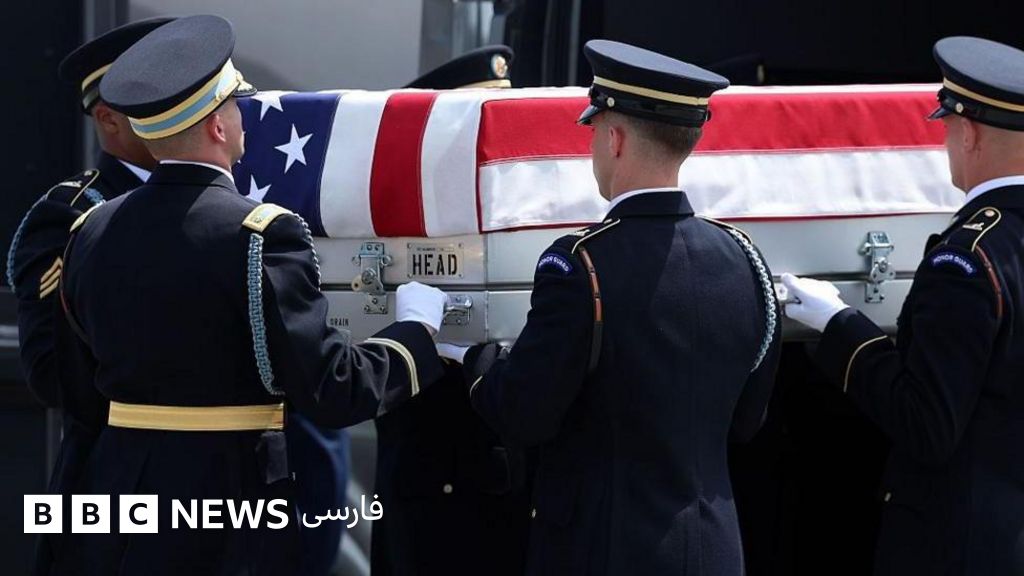
The US and Iran agreed to a ceasefire in April, but the conflict has continued, with both sides launching attacks against each other's targets. The Pentagon has revised its casualty figures, removing four US soldiers from the list of those killed in the 'Operation Fading Rage' and adding them to the list of those injured in 'Overseas Operations'.
Imagine you're playing a game with your friends, and you're all trying to hit a target. But instead of using balls, you're using big machines that can hurt people. That's kind of like what's happening in the US-Iran conflict. Both sides are trying to hit each other's targets, but it's causing a lot of harm to people. It's like a big game of tag, but with real consequences.
Analysis
A War Without End: The Human Cost of US-Iran Conflict
The US-Iran conflict has been ongoing since February, with both sides launching attacks against each other's targets. The latest figures from the Pentagon reveal that at least 624 US military personnel have been injured since the conflict began. This number is a stark reminder of the human cost of this war, which has been ongoing for months.
The Pentagon's revised casualty figures have sparked controversy, with some questioning the accuracy of the numbers. The Pentagon has stated that the changes were due to a 'temporary glitch in the data', but critics argue that this explanation is insufficient. The controversy surrounding the casualty figures highlights the challenges of tracking the impact of this conflict on both sides.
The US and Iran agreed to a ceasefire in April, but the conflict has continued, with both sides launching attacks against each other's targets. The Pentagon has stated that the ceasefire is 'over', and that the US is now in a state of 'war' with Iran. This shift in rhetoric has significant implications for the region and the world, and highlights the need for a more nuanced understanding of the conflict.
The human cost of this war is not limited to the injured personnel. The conflict has also had a significant impact on civilians, with many reporting increased stress and anxiety levels. The psychological toll of this war cannot be overstated, and highlights the need for a more comprehensive approach to addressing the conflict's impact on civilians.
In conclusion, the US-Iran conflict is a complex and multifaceted issue, with significant implications for the region and the world. The human cost of this war is a key indicator of its severity, and highlights the need for a more nuanced understanding of the conflict.
Key points
- At least 624 US military personnel have been injured since February in the US-Iran conflict.
- The Pentagon has revised its casualty figures, removing four US soldiers from the list of those killed in the 'Operation Fading Rage' and adding them to the list of those injured in 'Overseas Operations'.
- The US and Iran agreed to a ceasefire in April, but the conflict has continued, with both sides launching attacks against each other's targets.
- The human cost of this war is not limited to the injured personnel, but also includes the psychological toll on civilians.
If the US and Iran can agree to a ceasefire and work towards a peaceful resolution, the conflict could be brought to an end, and the human cost could be minimized. This would require a significant shift in the rhetoric and actions of both sides, but it is not impossible.
If the conflict continues, the human cost could increase significantly, with more people injured or killed. The psychological toll on civilians could also worsen, leading to increased stress and anxiety levels. This would have significant implications for the region and the world, and could lead to a wider conflict.
Market signals
- XAU Escalation drives safe-haven demand for gold, per the article's framing of investor reaction.
AI-generated analysis of potential market relevance. Not financial advice.