Paddy Power owner Flutter to scrap listing on London Stock Exchange
Flutter Entertainment will cancel its London shares on 3 August, citing low trading and the cost of keeping the listing.
Intelligence analysis by GPT-5.4 Mini
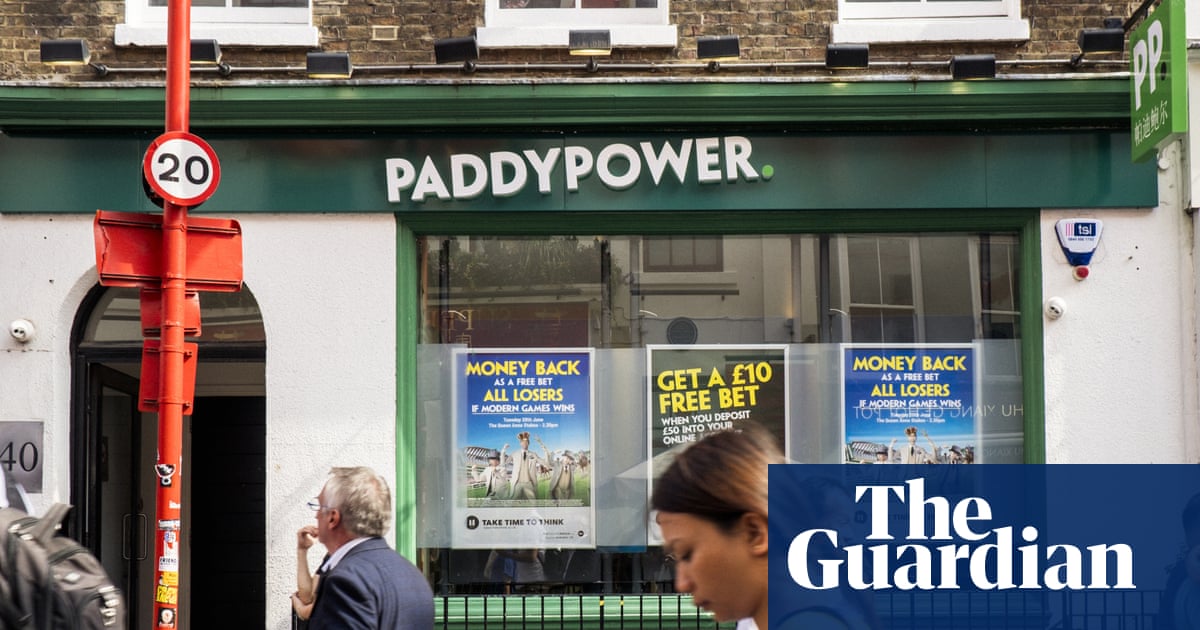
Flutter is pulling its remaining London listing, adding to the flow of companies shifting focus from the UK market to New York. The company says the move is about trading activity, costs, and administration, not a change in its main business.
Flutter is taking its shares off London’s scoreboard because not many people are trading them there, and keeping them listed costs extra money. It is like moving a shop from a quiet street to a busy mall where more shoppers are around.
Analysis
What happened
Flutter Entertainment, which owns Paddy Power and Betfair, said it will remove its London Stock Exchange listing on 3 August. The company said the decision followed a review and was based on low trading activity in its London shares, along with the extra cost and administrative burden of keeping that listing.
Why the company is moving
Flutter had already shifted its primary listing from London to New York in 2024. The company said that move reflected the growth of its US FanDuel business and the easing of online betting restrictions in several US states. In other words, its center of gravity has already moved toward the US market.
Bigger market signal
The article frames Flutter’s exit as part of a broader pattern of companies leaving London. It points to CRH, which delisted from London this year, and Wise, which moved its main listing to New York in May. It also notes that other UK-listed businesses, including Tate & Lyle, Schroders, Beazley and Intertek, have recently gone through takeover or take-private deals.
Business backdrop
Flutter is headquartered operationally in New York and employs about 28,500 people worldwide. Its London shares have fallen by about half this year, as investors worry that prediction markets in the US could pressure traditional betting. The company also reported that 2025 revenue rose 17% to $16.4bn, though that missed its own forecast.
The core message is simple: Flutter believes London is no longer the best place for its shares, and the move adds to concerns that the UK market is losing large, liquid companies to the US.
Key points
- Flutter will cancel its London listing on 3 August.
- The company cited low trading in its London shares and higher costs.
- Flutter had already made New York its primary listing in 2024.
- The move adds to a series of high-profile exits from the London market.
- Flutter said it remains best for the company and its shareholders.
If the delisting goes smoothly, Flutter could save money and cut paperwork tied to a low-activity London listing. A sharper focus on New York may also better match where its US business has been growing.
The move deepens worries that London is losing important companies and market depth. If Flutter’s share price keeps falling or US prediction markets keep gaining ground, the company could face more investor pressure even after the delisting.