Pak minister seeks Nato-like Islamic military alliance
Pakistan defence minister Khawaja Asif has called for Islamic countries to set aside their differences and form a military alliance along the lines of Nato. He said the agreement signed in Mecca should not remain an 'exclusive club' and should be expanded to include other…
Intelligence analysis by Llama
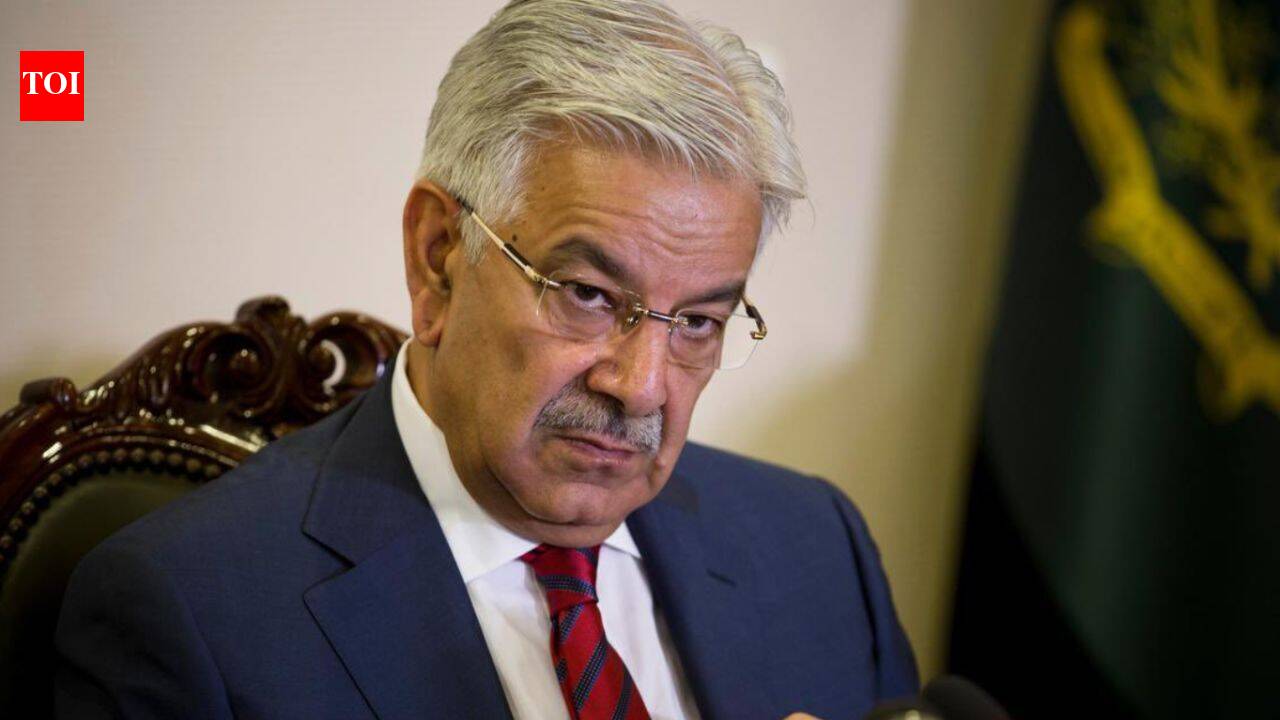
Pakistan defence minister Khawaja Asif has called for an Islamic military alliance along the lines of Nato, saying the agreement signed in Mecca should not be exclusive to just three countries. He wants other Islamic countries to join the alliance.
Imagine a group of countries working together to protect each other from threats. This is what Pakistan's defence minister is proposing - a group of Islamic countries working together like Nato to keep each other safe.
Analysis
Pakistan's Defence Minister Seeks Islamic Military Alliance
Pakistan's defence minister, Khawaja Asif, has called for an Islamic military alliance along the lines of Nato. This proposal has significant implications for regional security and geopolitics, particularly in the context of the ongoing conflict involving Iran and its regional allies.
The agreement signed in Mecca between Pakistan, Saudi Arabia, and Turkey is a significant strategic development in the region. The pact brings together Saudi Arabia's financial strength, Turkey's defence industry and Nato experience, and Pakistan's large military and nuclear capabilities. According to Pakistan's foreign ministry, the agreement is 'guided by the longstanding historical ties among the three states' and their shared strategic interests, defence cooperation and 'enduring bonds of brotherhood and Islamic solidarity'.
The agreement aims to strengthen collective deterrence against aggression and stipulates that an armed attack against any of the three countries would be regarded as an attack against all, according to a joint statement. This collective-defence principle is similar to Nato's Article 5, which commits member states to regard an armed attack against one member as an attack against all.
The proposed Islamic military alliance could have significant implications for regional security and geopolitics. It could potentially strengthen the military capabilities of participating countries and provide a collective defence against external threats. However, it also raises concerns about the potential for conflict and the impact on regional stability.
Implications for Regional Security
The proposed Islamic military alliance could have significant implications for regional security. It could potentially strengthen the military capabilities of participating countries and provide a collective defence against external threats. However, it also raises concerns about the potential for conflict and the impact on regional stability.
The alliance could potentially provide a counterbalance to the influence of other regional powers, such as Iran. However, it also raises concerns about the potential for conflict and the impact on regional stability. The alliance could potentially lead to a more complex and volatile regional security environment.
Geopolitical Implications
The proposed Islamic military alliance could have significant geopolitical implications. It could potentially strengthen the influence of participating countries in the region and provide a collective defence against external threats. However, it also raises concerns about the potential for conflict and the impact on regional stability.
The alliance could potentially provide a counterbalance to the influence of other regional powers, such as Iran. However, it also raises concerns about the potential for conflict and the impact on regional stability. The alliance could potentially lead to a more complex and volatile regional security environment.
Key points
- Pakistan's defence minister has called for an Islamic military alliance along the lines of Nato.
- The agreement signed in Mecca between Pakistan, Saudi Arabia, and Turkey is a significant strategic development in the region.
- The proposed Islamic military alliance could have significant implications for regional security and geopolitics.
- The alliance could potentially strengthen the military capabilities of participating countries and provide a collective defence against external threats.
- However, it also raises concerns about the potential for conflict and the impact on regional stability.
If the proposed Islamic military alliance is successful, it could lead to increased regional stability and a stronger collective defence against external threats. This could potentially lead to a more secure and peaceful region.
However, the proposed alliance also raises concerns about the potential for conflict and the impact on regional stability. If the alliance is not managed carefully, it could lead to a more complex and volatile regional security environment.