Pakistan All-Rounder Muhammad Nawaz Sanctioned Under ICC Anti-Doping Code
Pakistan cricket all-rounder Muhammad Nawaz has received a sanction from the International Cricket Council (ICC) for violating anti-doping rules. He tested positive for a banned recreational substance during the T20 World Cup 2026.
Intelligence analysis by Llama
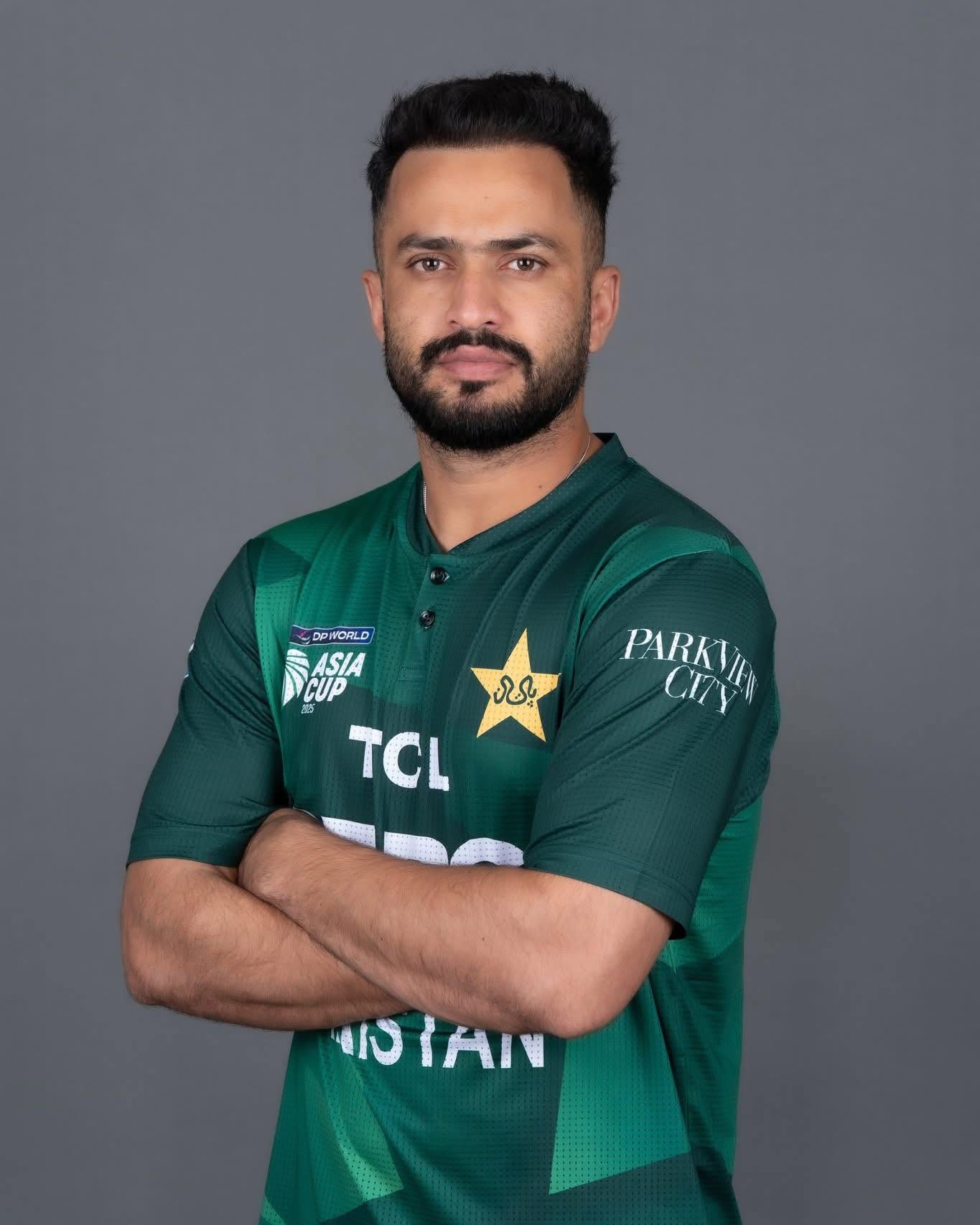
Pakistan cricket all-rounder Muhammad Nawaz has been sanctioned by the ICC for violating anti-doping rules after testing positive for a banned recreational substance during the T20 World Cup 2026. The PCB shared Nawaz's full medical history with the ICC to help with the investigation.
Muhammad Nawaz, a Pakistani cricket player, was banned from playing cricket for a while because he took a medicine that is not allowed in the game. This medicine was not meant to help him play better, but he took it anyway. Now, he has to face the consequences of his actions.
Analysis
A $60B Vote of Confidence
The recent sanction of Pakistan cricket all-rounder Muhammad Nawaz by the International Cricket Council (ICC) for violating anti-doping rules has sent shockwaves throughout the cricketing community. The incident has raised concerns about the integrity of the game and the need for strict anti-doping rules to maintain a clean and fair environment.
The ICC is strict about such matters to keep cricket clean and fair for all players. This incident follows past doping cases involving Pakistani players like Shoaib Akhtar, Mohammad Asif, and Yasir Shah. For recreational substances detected in competition, penalties can range from a warning to several months of suspension, depending on the details.
The sanction serves as an important reminder for all athletes that strict anti-doping rules help protect the spirit of the game. It also highlights the importance of maintaining a clean and fair environment in sports.
Why Cursor?
The incident has sparked a debate about the need for stricter anti-doping rules in sports. The ICC has been at the forefront of this movement, and the recent sanction of Muhammad Nawaz is a testament to their commitment to maintaining a clean and fair environment.
The Pakistan Cricket Board (PCB) has also been proactive in addressing the issue. They shared Nawaz's full medical history with the ICC to help with the investigation. This shows that the PCB is taking the issue seriously and is committed to maintaining the integrity of the game.
The Road Ahead
The incident has raised concerns about the integrity of the game and the need for stricter anti-doping rules. The ICC and the PCB must work together to ensure that the game remains clean and fair for all players.
The recent sanction of Muhammad Nawaz is a reminder that strict anti-doping rules are in place to protect the spirit of the game. It is essential that all athletes understand the importance of maintaining a clean and fair environment in sports.
Key points
- Muhammad Nawaz, a Pakistani cricket all-rounder, has been sanctioned by the ICC for violating anti-doping rules.
- He tested positive for a banned recreational substance during the T20 World Cup 2026.
- The PCB shared Nawaz's full medical history with the ICC to help with the investigation.
- The ICC is strict about such matters to keep cricket clean and fair for all players.
- The sanction serves as an important reminder for all athletes that strict anti-doping rules help protect the spirit of the game.
The ICC and the PCB can work together to ensure that the game remains clean and fair for all players. This incident can serve as a reminder to all athletes about the importance of maintaining a clean and fair environment in sports.
The incident has raised concerns about the integrity of the game and the need for stricter anti-doping rules. If the issue is not addressed, it can lead to a loss of trust in the game and its governing bodies.