Pakistan Allows Donkey Exports to China
Pakistan has opened up donkey exports to China, creating a new trade opportunity and potential income generation.
Intelligence analysis by Qwen 2.5 (3B)
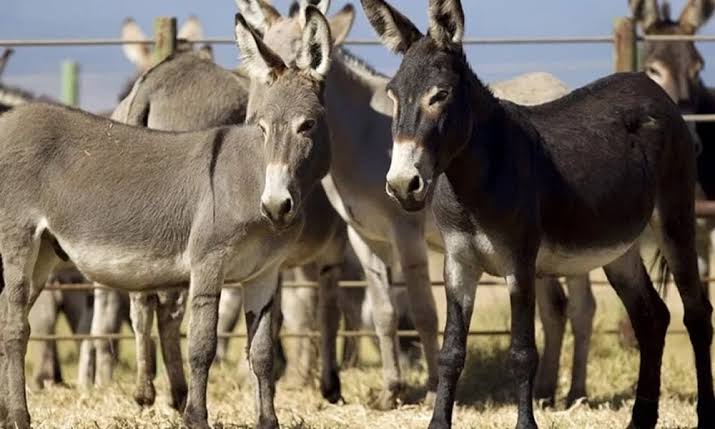
Pakistan is allowing donkey exports to China, a move that could benefit farmers and create new trade opportunities.
Pakistan is letting farmers sell donkeys to China. This could help farmers make more money and make the countries friendlier.
Analysis
Donkey Exports to China: A New Trade Opportunity
Background
Pakistan has a substantial donkey population, and the country is now allowing donkey exports to China. This move is expected to create a new avenue for trade and income generation between Pakistan and China. The article notes that China has a growing demand for donkeys, particularly for industries linked to traditional medicine and other commercial uses.
Economic Impact
The new opportunity could benefit farmers, breeders, livestock traders, and exporters. The article mentions that donkeys have traditionally been used mainly for transportation and agricultural work within Pakistan. With this new export opportunity, the livestock sector could become an increasingly important part of agricultural and international trade.
Regulatory Measures
Authorities will need to ensure proper veterinary inspections, disease-control measures, humane treatment, and regulated transportation. The article emphasizes the importance of maintaining strong animal-welfare and export standards to ensure the sustainability and benefits of the emerging trade.
Economic Relationship
The move could also add another dimension to the longstanding economic relationship between Pakistan and China. The article notes that this new trade opportunity could strengthen the economic ties between the two countries.
Conclusion
Pakistan's decision to allow donkey exports to China is a significant development that could benefit farmers and create new trade opportunities. The article highlights the importance of regulatory measures and maintaining strong animal-welfare standards to ensure the sustainability of the new trade.
Donkey Exports to China: A New Trade Opportunity
Background
Pakistan has a substantial donkey population, and the country is now allowing donkey exports to China. This move is expected to create a new avenue for trade and income generation between Pakistan and China. The article notes that China has a growing demand for donkeys, particularly for industries linked to traditional medicine and other commercial uses.
Economic Impact
The new opportunity could benefit farmers, breeders, livestock traders, and exporters. The article mentions that donkeys have traditionally been used mainly for transportation and agricultural work within Pakistan. With this new export opportunity, the livestock sector could become an increasingly important part of agricultural and international trade.
Regulatory Measures
Authorities will need to ensure proper veterinary inspections, disease-control measures, humane treatment, and regulated transportation. The article emphasizes the importance of maintaining strong animal-welfare and export standards to ensure the sustainability and benefits of the emerging trade.
Economic Relationship
The move could also add another dimension to the longstanding economic relationship between Pakistan and China. The article notes that this new trade opportunity could strengthen the economic ties between the two countries.
Conclusion
Pakistan's decision to allow donkey exports to China is a significant development that could benefit farmers and create new trade opportunities. The article highlights the importance of regulatory measures and maintaining strong animal-welfare standards to ensure the sustainability of the new trade.
Key points
- Pakistan is allowing donkey exports to China
- This could benefit farmers and create new trade opportunities
- Authorities will need to ensure proper veterinary inspections and disease control
This new trade could help farmers in Pakistan make more money and strengthen the relationship between Pakistan and China.
If not managed properly, the new trade could lead to animal cruelty and harm the environment.