Pakistan at 79: A chronicle of resilience, conflict, and transformation
Pakistan celebrates its 79th anniversary, reflecting on its complex history of resilience, conflict, and transformation. From its birth in 1947 to its current status as a nuclear-armed nation, Pakistan has navigated numerous challenges, including wars, political upheaval,…
Intelligence analysis by Llama
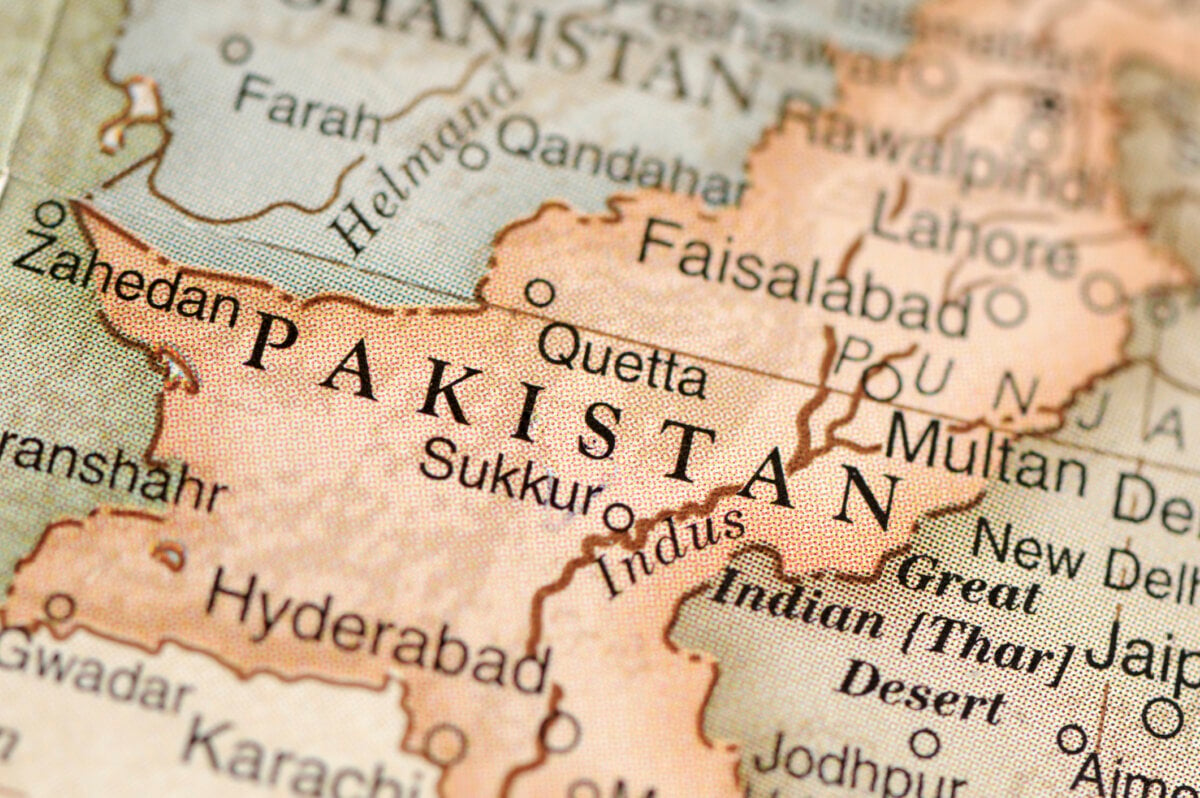
Pakistan's 79-year journey is marked by resilience in the face of war, political upheaval, and economic challenges. The country's history is a complex narrative of conflict and transformation, with significant events shaping its identity and place in the world.
Imagine a country born from a big change, like a family moving to a new house. Pakistan's 79-year journey is like that, with many ups and downs. It's had to deal with wars, political problems, and economic struggles, but it's still standing strong. Just like how a family grows and adapts to new things, Pakistan has learned to be resilient and keep moving forward.
Analysis
The Birth of a Nation (1940s)
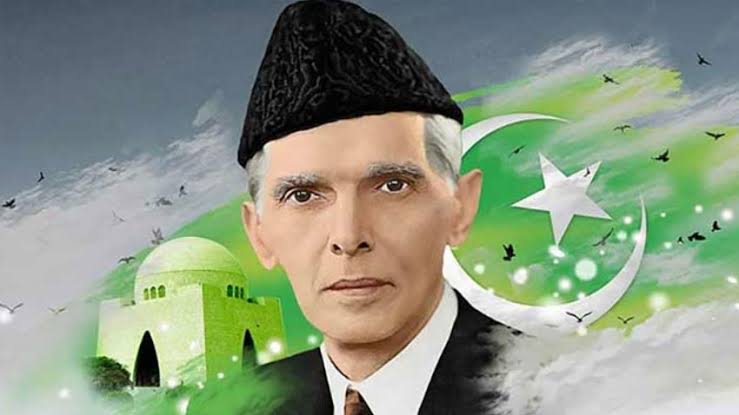
Pakistan's inception was a monumental event in modern history. On August 14, 1947, the new nation was born, with Quaid-e-Azam Muhammad Ali Jinnah becoming its first Governor-General. The accompanying partition triggered one of the largest mass migrations in history, involving approximately 10 million people. Pakistan quickly established itself on the world stage, joining the United Nations in September 1947. However, its foundational years were marred by the first Indo-Pakistani War over the princely state of Kashmir, a conflict that would define a century of hostility.
Shaky Foundations and Cold War Alliances (1950s)
The 1950s were a period of political instability, with the assassination of the first Prime Minister, Liaquat Ali Khan, in 1951. Sectarian violence, such as the 1953 Lahore riots against the Ahmadiyya community, tested the state's authority. To secure its borders, Pakistan forged key alliances with the West, joining the Baghdad Pact (later CENTO) and SEATO. This decade was also marked by a constitutional crisis that saw Governor-General Ghulam Muhammad dissolve the first Constituent Assembly in 1954, culminating in the country declaring itself the Islamic Republic of Pakistan in 1956. The decade closed with the country's first military coup in 1958, led by General Ayub Khan, which began a long history of military intervention in politics.
War, Development, and Disintegration (1960s & 1970s)
The 1960s opened with the signing of the Indus Waters Treaty in 1960, a vital agreement with India that continues to govern water distribution today. General Ayub Khan became the country's first elected president and implemented a new constitution in 1962. The 1965 Indo-Pakistani War, which included the famous Operation Grand Slam and the naval Operation Dwarka, ended in a UN-ordered ceasefire. The humiliating defeat in the Bangladesh Liberation War in 1971, which resulted in the loss of East Pakistan, was a national trauma that reshaped the country's politics. Zulfikar Ali Bhutto took over as President in 1971 and subsequently became Prime Minister under Pakistan's third constitution, enacted in 1973. Bhutto's government was defined by a populist agenda, the nationalization of major industries, and a bold announcement to begin a nuclear weapons program in 1972. He also faced significant challenges, including widespread labour unrest in Karachi and a major insurgency in Balochistan. Bhutto's tenure was cut short in 1977 when he was ousted and later executed by General Zia-ul-Haq, who would rule for over a decade.
Key points
- Pakistan was born on August 14, 1947, and has since navigated numerous challenges, including wars, political upheaval, and economic struggles.
- The country has had to deal with the aftermath of the Indo-Pakistani War, the Bangladesh Liberation War, and the Soviet-Afghan War.
- Pakistan has made significant progress in its nuclear program, but it remains a source of concern for the international community.
- The country's economy has been affected by corruption, terrorism, and economic instability, leading to a decline in the standard of living for many Pakistanis.
- Pakistan's relations with its neighbors, particularly India, remain tense, with ongoing conflicts over Kashmir and other issues.
If Pakistan continues to work towards democratic and constitutional stability, it could see significant economic growth and improved relations with its neighbors. The country's nuclear program could also be a source of pride and a symbol of its ability to defend itself. However, this would require a sustained effort from the government and the people to address the underlying issues that have plagued the country for so long.
If Pakistan continues to be plagued by corruption, terrorism, and economic instability, it could lead to a further decline in the country's reputation and a loss of international support. The country's nuclear program could also become a source of concern for the international community, leading to increased tensions with its neighbors. Furthermore, the ongoing conflict in Afghanistan could have a negative impact on Pakistan's economy and security.