Pakistan border sees 724 humanitarian trucks enter Afghanistan
Over 700 trucks carrying international humanitarian aid entered Afghanistan from Pakistan, despite a near-total border closure, to address acute hunger affecting nearly 14 million Afghans.
Intelligence analysis by Gemini 2.5 Flash
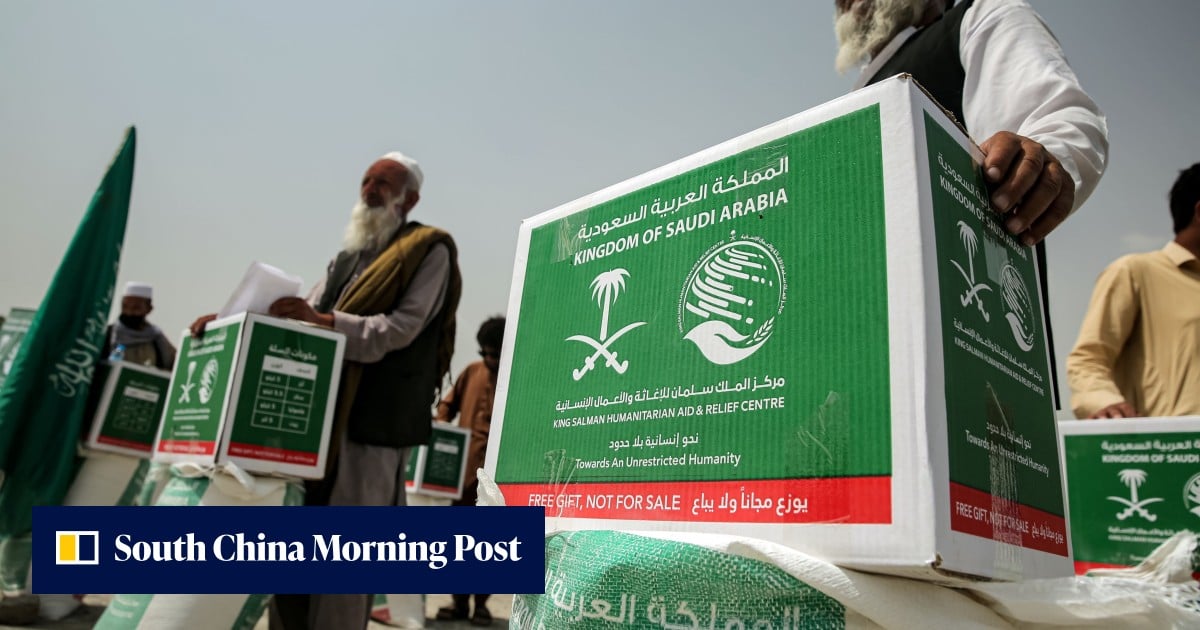
The United Nations facilitated the passage of 724 humanitarian aid trucks into Afghanistan through the Torkham border crossing, a crucial lifeline for a nation grappling with severe food insecurity. This aid delivery comes amidst a challenging backdrop of border tensions with Pakistan, recent natural disasters, and the return of millions of refugees, exacerbating an already dire human…
Imagine Afghanistan is like a friend's house where everyone is super hungry because of bad luck like earthquakes and floods. Even though the road to their house was mostly closed because of a disagreement with their neighbor Pakistan, the United Nations helped send 724 big trucks full of food and other important stuff. It's like a huge food delivery to make sure people don't starve.
Analysis
The recent passage of 724 humanitarian trucks into Afghanistan from Pakistan represents a critical, albeit temporary, breakthrough in addressing the severe humanitarian crisis gripping Afghanistan. This significant aid delivery, facilitated by the United Nations, underscores the persistent challenges of providing assistance to a nation plagued by multiple compounding crises. The sheer volume of aid, described by UN officials as "food and other critical humanitarian items," highlights the urgent need for sustained international support to prevent further deterioration of living conditions for millions.
724 Trucks
The successful transit of 724 trucks carrying vital humanitarian cargo into Afghanistan is a testament to diplomatic efforts to maintain essential lifelines despite political tensions. This convoy, coordinated by the UN Office for the Coordination of Humanitarian Affairs (OCHA), delivered much-needed supplies to families facing acute hunger. The number itself signifies a substantial logistical undertaking, especially given the strained relations and border closures between Pakistan and Afghanistan. It demonstrates that even in complex geopolitical environments, humanitarian imperatives can sometimes override political impasses, offering a glimmer of hope for affected populations.
Torkham
The Torkham border crossing, a vital artery between Pakistan and Afghanistan, played a central role in this aid operation. Its use is particularly noteworthy because the land border between the two countries had experienced a "near-total closure" following clashes in October. The ability to reopen this specific route for humanitarian purposes, even temporarily, is crucial for the efficient delivery of aid. It highlights the strategic importance of Torkham as a gateway for goods and people, and the potential for its closure to severely exacerbate humanitarian suffering by cutting off access to essential supplies. The UN's acknowledgment of Islamabad's role in keeping this "humanitarian lifeline open" underscores the delicate balance required to navigate regional politics for aid delivery.
14 Million Afghans
The backdrop to this aid effort is a deepening humanitarian catastrophe affecting nearly 14 million Afghans who are currently facing acute hunger. This alarming figure, reported by the World Food Programme (WFP), is a direct consequence of a confluence of devastating events. Deadly earthquakes last year, coupled with several climate-related disasters this year, have severely impacted agricultural output and infrastructure. Furthermore, the return of millions of Afghans from Iran and Pakistan since 2023 has placed immense additional strain on already scarce resources and fragile social services. The WFP's warning about critical levels of child malnutrition further emphasizes the urgency and scale of the crisis, making the arrival of these 724 trucks a critical, though insufficient, intervention against widespread suffering.
Key points
- 724 humanitarian aid trucks entered Afghanistan from Pakistan via the Torkham border.
- The aid delivery occurred despite a near-total closure of the land border between the two countries since October clashes.
- The convoy carried "food and other critical humanitarian items" for families in need.
- Nearly 14 million Afghans are facing acute hunger due to earthquakes, climate disasters, and refugee returns.
- The World Food Programme (WFP) warned of critical levels of child malnutrition in Afghanistan.
The successful passage of a large humanitarian convoy demonstrates that diplomatic channels can still open for critical aid delivery despite political tensions, offering a model for future cooperation. This aid provides immediate relief to millions facing acute hunger, potentially averting a more severe humanitarian catastrophe and stabilizing vulnerable communities.
Despite the aid, the underlying causes of the crisis—border tensions, natural disasters, and refugee returns—remain unresolved, suggesting that this relief may only be a temporary measure. The "near-total closure" of the border indicates that future aid deliveries could be jeopardized, leaving millions vulnerable to ongoing food insecurity and malnutrition.