Pakistan Buys 7 Expensive Spot LNG Cargoes Since US-Iran War Began
Pakistan has purchased seven spot liquefied natural gas (LNG) cargoes since the outbreak of the US-Iran conflict, securing fuel supplies ahead of peak summer electricity demand.
Intelligence analysis by Llama
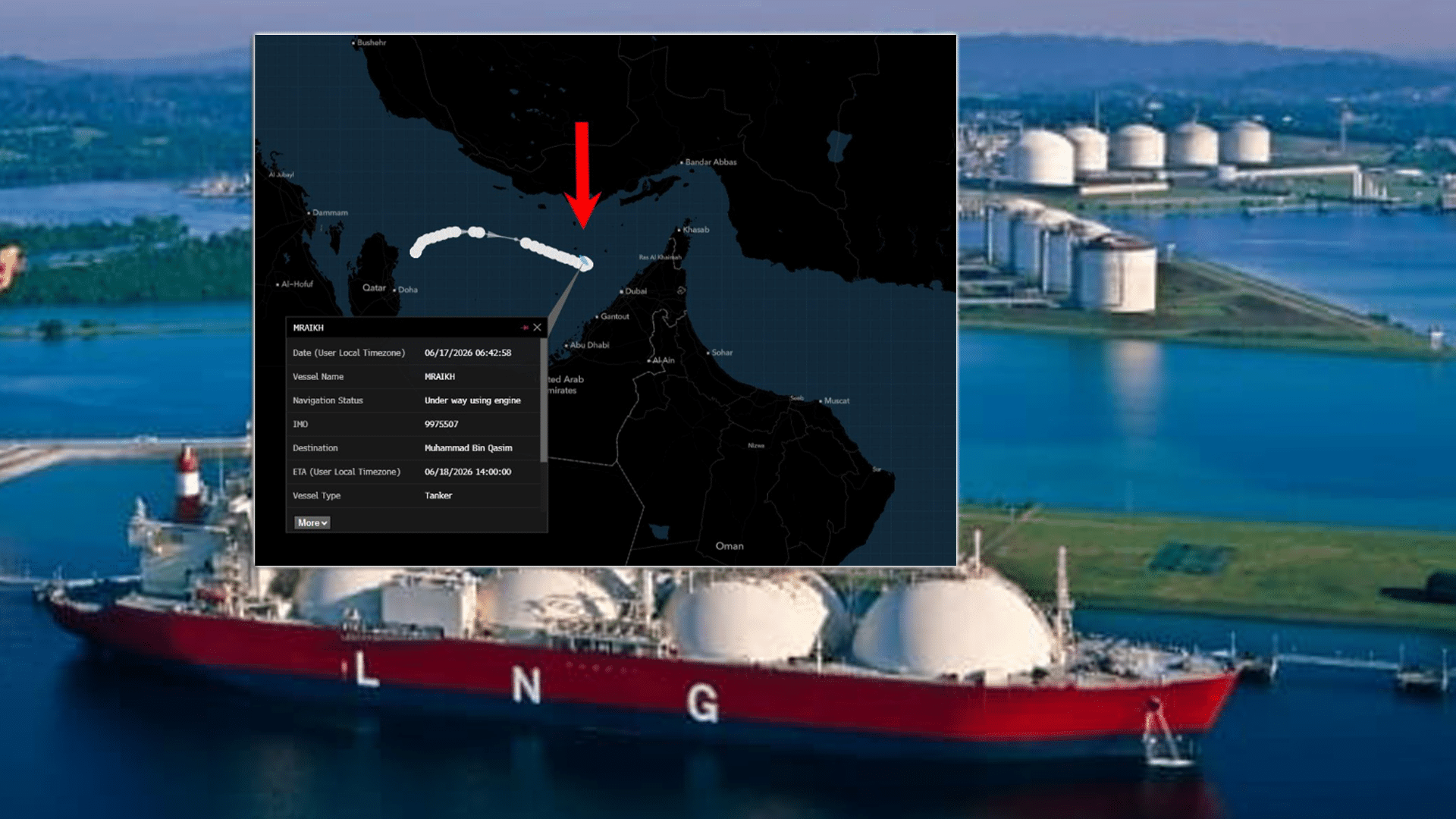
Pakistan has bought seven expensive spot LNG cargoes since the US-Iran war began, with each successive shipment purchased at a higher price. The average purchase price stands at $18.72 per million British thermal units (mmbtu).
Pakistan bought seven expensive shipments of gas to ensure it has enough fuel for its power plants during the hot summer months. This is because global gas prices are high due to tensions in the Middle East.
Analysis
A $60B Vote of Confidence
Pakistan has purchased seven spot liquefied natural gas (LNG) cargoes since the outbreak of the US-Iran conflict, as the country moved to secure fuel supplies ahead of peak summer electricity demand despite rising international prices. According to data compiled by Arif Habib Limited, five of the seven spot cargoes arrived in July 2026, with each successive shipment purchased at a higher price. The latest cargo, scheduled for arrival during July 27 to 28, was bought at $21.88 per million British thermal units (mmbtu), making it the most expensive spot purchase during the period. The average purchase price across all seven cargoes stands at $18.72 per mmbtu. The accompanying data also shows Pakistan’s power generation cost from these spot purchases rising from Rs. 38.45 per kWh in May to an estimated Rs. 44.42 per kWh for the latest cargo. The purchases come as global LNG prices remained elevated following geopolitical tensions in the Middle East, increasing the cost of securing fuel through the spot market. Pakistan opted for spot imports to ensure uninterrupted gas supplies during the country’s peak electricity demand season. Based on Arif Habib Limited’s estimates, each spot LNG cargo cost Pakistan roughly $50 million, compared with approximately $33 million for a long-term LNG cargo imported under Pakistan’s contract with Qatar, assuming Brent crude oil at $88 per barrel. The comparison highlights the significant premium associated with buying LNG from the spot market instead of under long-term supply agreements.
Why Cursor?
The purchases of expensive spot LNG cargoes by Pakistan raise questions about the country’s energy security and its ability to manage the risks associated with volatile global energy markets. The country’s decision to opt for spot imports despite rising international prices suggests that it is prioritizing energy security over cost considerations. However, this approach may not be sustainable in the long term, especially if global LNG prices continue to remain elevated.
The Road Ahead
The implications of Pakistan’s LNG purchases are far-reaching and will have significant consequences for the country’s energy sector. The country will need to carefully manage its energy imports to ensure that it can meet its peak electricity demand during the summer months. Additionally, the country will need to consider the long-term implications of its energy security strategy and explore options for diversifying its energy mix to reduce its dependence on imported fuels.
Key points
- Pakistan has purchased seven spot LNG cargoes since the US-Iran conflict began.
- The average purchase price stands at $18.72 per million British thermal units (mmbtu).
- The country's power generation cost from these spot purchases has risen from Rs. 38.45 per kWh in May to an estimated Rs. 44.42 per kWh for the latest cargo.
- Each spot LNG cargo cost Pakistan roughly $50 million, compared with approximately $33 million for a long-term LNG cargo imported under Pakistan's contract with Qatar.
If global LNG prices stabilize, Pakistan's energy imports may become more affordable, reducing the country's reliance on expensive spot purchases.
If global tensions escalate, LNG prices may continue to rise, making it difficult for Pakistan to secure affordable energy imports, potentially leading to power outages during peak demand periods.