Pakistan Skills Gap Leaves Nearly One in Three Young Graduates Jobless
Pakistan's youth unemployment rate is high, with nearly one-third of young graduates jobless. Only 7% of young Pakistanis have access to formal technical and vocational training.
Intelligence analysis by Qwen 2.5 (3B)
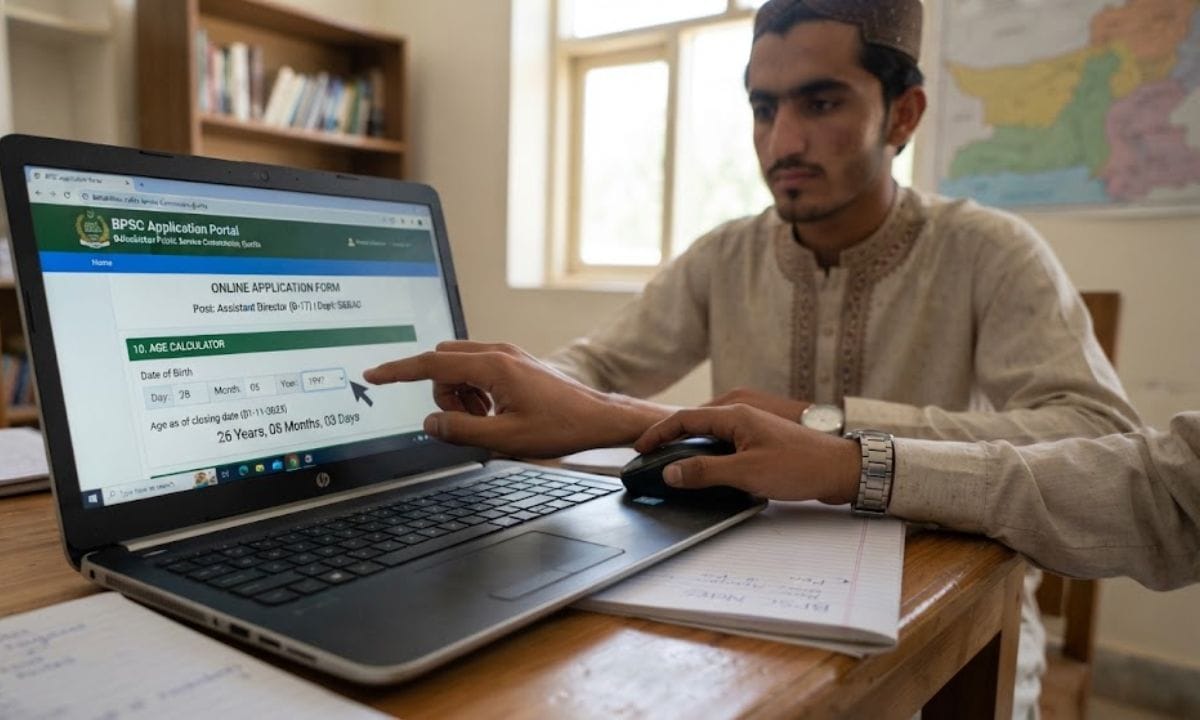
The World Economic Forum highlights Pakistan's youth unemployment problem, with nearly a third of young people not in education, employment or training (NEET). The issue is attributed to a lack of infrastructure and structured mentorship.
In Pakistan, many young people who finished school don't have jobs. The problem is that there isn't enough training for them to get jobs, and there aren't enough people to help them find work.
Analysis
{"heading":"The Skills Gap: A Case Study in Pakistan","subheading":"Infrastructure and Mentorship","paragraph_1":"The skills gap in Pakistan is a significant issue, with only 7% of young Pakistanis having access to formal technical and vocational training. The problem is attributed to a lack of infrastructure and structured mentorship.","paragraph_2":"The World Economic Forum highlighted this issue during its annual meeting of Global Future Leaders in Dubai. The meeting provided a platform for young leaders to address the gap between education and employment.","paragraph_3":"The issue is particularly acute among young women, with nearly half of young women being NEET. Graduate unemployment stands at 18.3% nationally, higher than the overall unemployment rate of 14.7%.","paragraph_4":"The article suggests that structured mentorship, career guidance, industry networks, and reliable labour market signals are missing in most of the country. This leads to a university degree marking the start of a job search rather than the end of one.","paragraph_5":"The Pakistan Labour Force Survey 2024-25 by Gallup Pakistan shows that unemployment among graduates aged 20-24 is 32.8%, meaning nearly one in three is out of work. This highlights the severity of the problem.","paragraph_6":"The article concludes by attributing the problem to a lack of infrastructure and structured mentorship, suggesting that addressing these issues could help bridge the gap between education and employment."}
Key points
- Only 7% of young Pakistanis have access to formal technical and vocational training.
- Nearly one-third of young graduates are unemployed in Pakistan.
- The issue is attributed to a lack of infrastructure and structured mentorship.
By improving infrastructure and providing more mentorship, the skills gap can be reduced, leading to more young people finding jobs.
If the government doesn't invest in training and mentorship programs, the skills gap will persist, leading to more young people being unemployed.