Pakistan suspends 8 officials after maternity ward fire kills 14 infants
Pakistan has suspended eight officials and initiated criminal proceedings following a devastating fire in an Islamabad maternity ward that killed 14 infants.
Intelligence analysis by Gemini 2.5 Flash
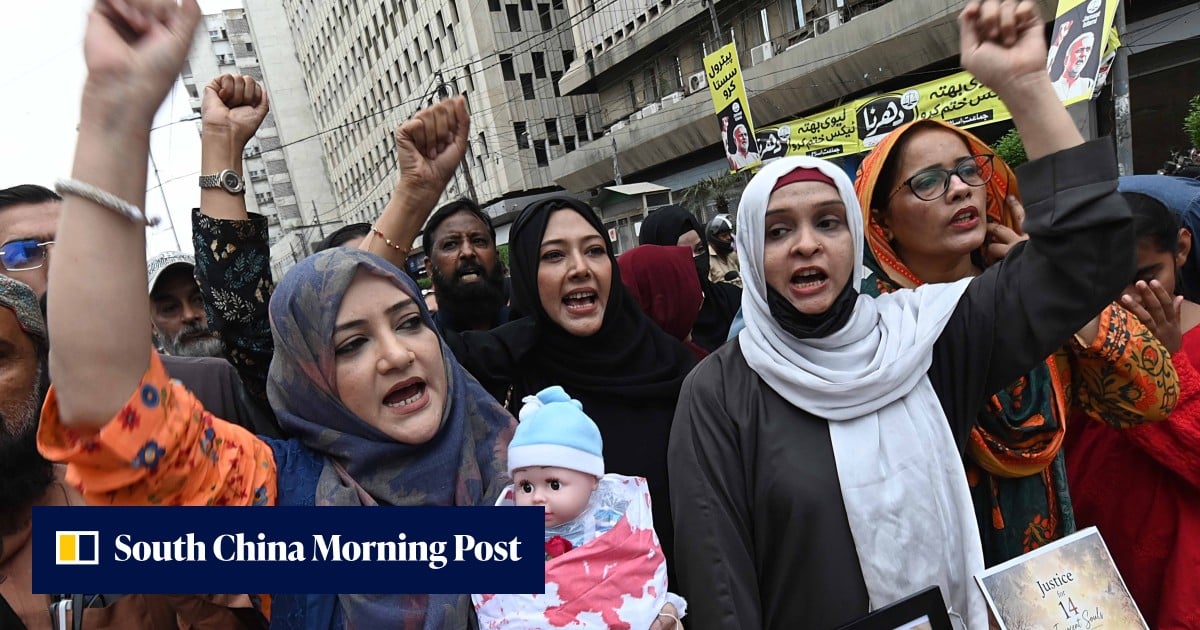
A preliminary report revealed the fire engulfed the unit in approximately two minutes, with only one infant saved. Prime Minister Shehbaz Sharif has vowed to bring those responsible for criminal negligence to justice, also approving action against the hospital's security company amid reports of a slow emergency response.
Imagine a hospital where tiny babies are cared for. One morning, a fire started and spread super fast, in about the time it takes to tie your shoes! Sadly, 14 babies couldn't be saved. Now, the country's leader is very upset and has suspended eight important people, like the hospital boss and the head of the emergency team, because they think someone was careless and needs to be held responsible for this terrible accident.
Analysis
Shehbaz Sharif
Prime Minister Shehbaz Sharif has taken a firm stance on the tragic fire, personally forming a four-person committee to investigate the incident. His immediate response included approving the suspension of eight officials and calling for criminal proceedings against them, signaling a commitment to accountability at the highest levels of government.
Sharif's public statement emphasized that "those responsible for criminal negligence do not deserve any concession" and will be "brought to justice." This strong rhetoric aims to reassure the public that systemic failures leading to such a devastating loss of life will not be overlooked, and that measures will be taken to address the root causes of the disaster.
14 infants
The devastating fire resulted in the tragic deaths of 14 infants, highlighting a profound failure in hospital safety protocols and emergency response. The preliminary report indicated the blaze consumed the maternity unit with alarming speed, within approximately two minutes, leaving little time for rescue efforts.
Only one of the 15 infants in hospital care could be saved by a nurse, underscoring the severity of the fire and the challenges faced by staff. This immense loss of young lives has sparked national outrage and calls for thorough investigations into the circumstances that allowed such a catastrophe to occur in a critical healthcare facility.
Islamabad
The incident occurred in a maternity ward within a hospital in Islamabad, Pakistan's capital, raising serious questions about public safety standards in key urban centers. Among those suspended were the director general of Islamabad's emergency services, indicating a perceived failure in the city's broader disaster response infrastructure.
Witnesses and parents reported a slow emergency response, with rescue services arriving 15 minutes after the fire broke out, despite calls being made within six minutes. Allegations that guards prevented people from leaving the building further compound concerns about the effectiveness and coordination of emergency and security protocols within the capital's institutions.
Key points
- Eight officials, including hospital staff and emergency services personnel, have been suspended following a deadly maternity ward fire.
- The fire in an Islamabad hospital killed 14 infants, with only one infant reportedly saved by a nurse.
- A preliminary report indicates the blaze engulfed the unit in approximately two minutes.
- Prime Minister Shehbaz Sharif has called for criminal proceedings against those responsible for criminal negligence.
- Concerns have been raised about a slow emergency response and allegations that guards prevented people from leaving the building.
The swift suspension of eight officials and the call for criminal proceedings by Prime Minister Shehbaz Sharif suggest a strong commitment to accountability. This decisive action could lead to a thorough overhaul of safety protocols and emergency response systems in public health facilities, potentially preventing future tragedies.
The rapid spread of the fire and the reported slow emergency response highlight deep-seated systemic failures in public safety and infrastructure. Without comprehensive reforms beyond personnel changes, similar incidents could recur, eroding public trust and exposing vulnerable populations to ongoing risks.