Pakistan targets small retailers, digital economy in new budget
Pakistan’s 2026-27 budget proposes a fixed tax scheme for small retailers, aiming to widen the tax base and reduce pressure on salaried workers.
Intelligence analysis by GPT-5.4 Mini
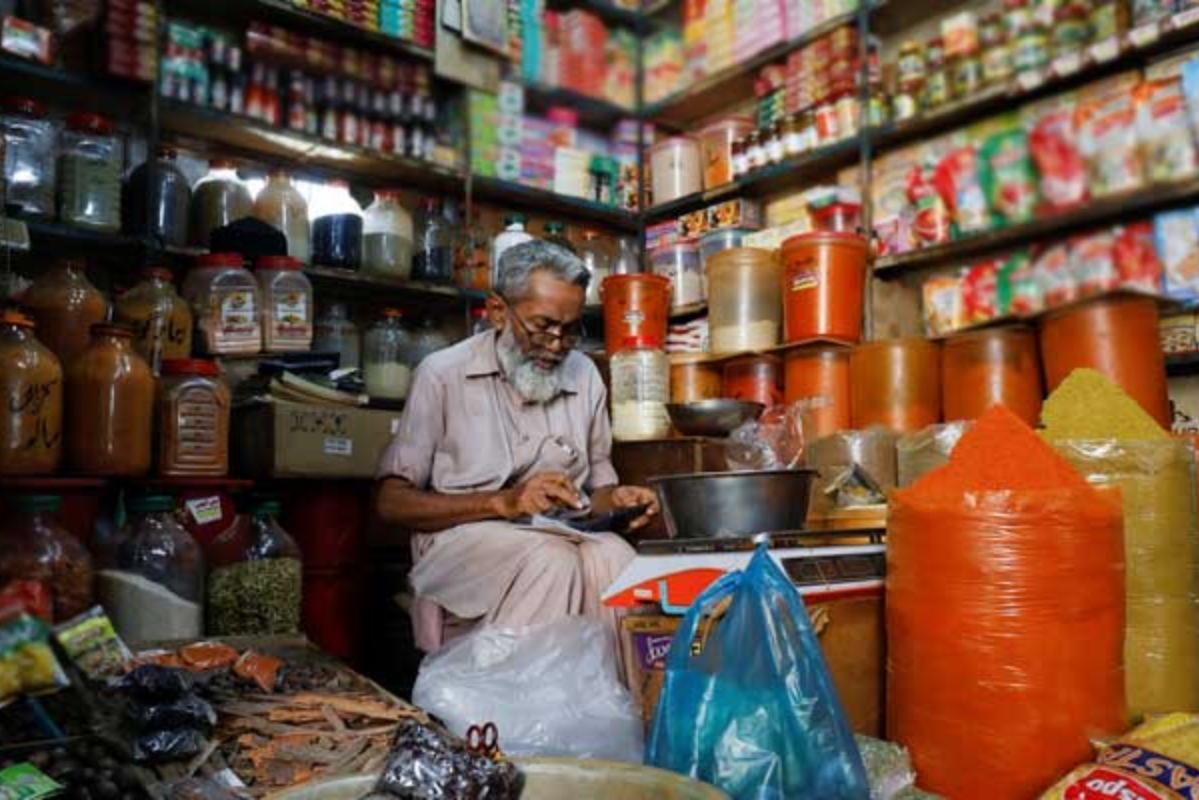
The federal budget introduces an optional fixed-tax "Asaan Scheme" for retailers with annual sales up to Rs200 million. The government says it wants to pull millions of small shopkeepers into the formal tax net while easing compliance and limiting audits.
Pakistan wants more small shops to pay tax in a simpler way, like choosing a smaller, flat school fee instead of a big confusing bill. The government says this could help bring more businesses into the system without too much paperwork.
Analysis
What the budget proposes
Pakistan’s government has proposed new tax measures in the 2026-27 federal budget aimed at small retailers, digital earners and importers. The main measure described in the article is a fixed-tax "Asaan Scheme" for retailers with annual sales of up to Rs200 million.
Under this optional scheme, eligible retailers would pay either a minimum annual tax of Rs25,000 or 1% of sales, whichever amount is higher. The article says withholding tax already deducted would be adjusted, and retailers would still have to pay at least Rs25,000 when filing.
Compliance changes
A key part of the package is reduced compliance pressure. Retailers who join the scheme would be exempt from the Federal Board of Revenue’s point-of-sale requirements and from audits. The finance minister said the goal is to lower the tax rate and bring more small traders into the formal system without making the process harsher.
Muhammad Aurangzeb said the documented corporate sector and salaried workers currently carry a disproportionate burden. He described the move as an important step toward expanding the tax net, and said it could cover roughly 3 million to 4 million small shopkeepers.
Broader context
The article also frames the proposal as part of a wider effort to curb misuse of exemptions and strengthen revenue collection. Retailers who do not register under either the fixed scheme or the normal tax regime would face penalties, while street cart sellers would remain exempt.
Aurangzeb also argued that Pakistan’s economy remained stable despite tensions in the Middle East, saying the country had dealt with its challenges using its own resources.
Key points
- Pakistan’s budget proposes an optional fixed-tax scheme for small retailers with annual sales up to Rs200 million.
- Eligible retailers would pay either Rs25,000 a year or 1% of sales, whichever is higher.
- Participants would be exempt from point-of-sale requirements and audits under the scheme.
- Finance Minister Muhammad Aurangzeb said the plan is meant to expand the tax net and ease the burden on salaried workers.
- Retailers who do not register under either tax path could face penalties, while street cart sellers remain exempt.
If the scheme works as intended, more small retailers could enter the formal tax system without facing audits and heavy paperwork. That could widen Pakistan’s tax base and reduce the pressure on salaried workers and documented businesses.
If retailers see the scheme as unfair or too costly, many may stay outside the formal system and risk penalties. The plan could also fail to meaningfully expand revenue if compliance remains low or enforcement is weak.