Pakistan to Pay Rs. 45,000 Billion in Interest on Loans Only in Next 5 Years
Pakistan is projected to spend nearly Rs. 45,000 billion on interest over five years, squeezing room for development spending.
Intelligence analysis by GPT-5.4 Mini
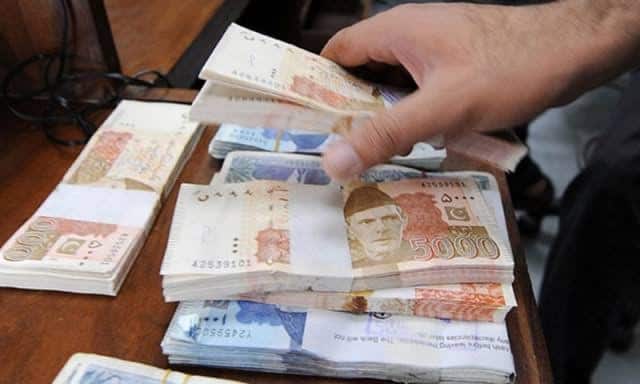
Official projections show debt servicing staying among Pakistan’s biggest budget pressures. Interest payments are expected to rise from about Rs. 7,824 billion in 2026-27 to over Rs. 10,000 billion a year by 2030-31.
Pakistan’s government may have to spend a huge pile of money just paying the “rent” on old loans. That means less money for roads, schools, and hospitals, like spending most of an allowance on a huge bill before buying anything fun.
Analysis
What the projections say
Pakistan is expected to spend nearly Rs. 45,000 billion on interest payments on public debt over the next five years, according to official projections cited in the article. The piece says debt servicing will remain one of the largest items in the federal budget.
Why this is a strain
The article says a large share of government revenue will continue to go toward interest on existing loans, leaving less fiscal space for development and public welfare. For the fiscal year 2026-27, interest payments are estimated at around Rs. 7,824 billion, and the burden is projected to keep rising each year.
By fiscal year 2030-31, annual interest payments are expected to cross Rs. 10,000 billion. The article says both tax and non-tax revenues will be used to meet these obligations.
What officials and analysts are worried about
The story frames the rise in debt servicing as a result of higher debt accumulation over time and the cost of financing government borrowing. Economic analysts quoted in the article say rising interest payments put extra pressure on public finances because more government income must be diverted to debt obligations instead of investment.
The article also says the projections strengthen the case for better fiscal management, improved revenue collection, and broader economic growth. It presents budget deficits, a narrow tax base, and weak long-term planning as key problems policymakers will need to confront.
Bottom line
The headline number is not just a debt statistic. It shows how heavily Pakistan’s budget could remain tied to interest payments, with long-term economic stability dependent on reducing that burden.
Key points
- Pakistan is projected to spend nearly Rs. 45,000 billion on interest payments over the next five years.
- Interest payments are estimated at around Rs. 7,824 billion in fiscal year 2026-27.
- Annual interest costs are projected to rise above Rs. 10,000 billion by fiscal year 2030-31.
- The article says debt servicing will consume a large share of government revenue, reducing space for development spending.
- Analysts say better fiscal management, wider tax collection, and stronger growth are needed to ease the pressure.
If revenue collection improves and budget deficits come down, the pressure from debt servicing could ease over time. The article says stronger fiscal management and economic growth could help reduce long-term debt stress and free up more money for development.
If borrowing stays high and revenues do not improve, interest payments will keep taking a larger share of the budget. That would leave less room for public services and could deepen fiscal risks in future years.