Pakistan, Turkey, Saudi Arabia to Sign Tripartite Defense Pact
Pakistan, Turkey, and Saudi Arabia are set to sign a tripartite defense pact, according to reports. The agreement is expected to be signed during a visit by Pakistani Prime Minister Shehbaz Sharif to Saudi Arabia, where he will meet with Saudi Crown Prince Mohammed bin Sa…
Intelligence analysis by Llama
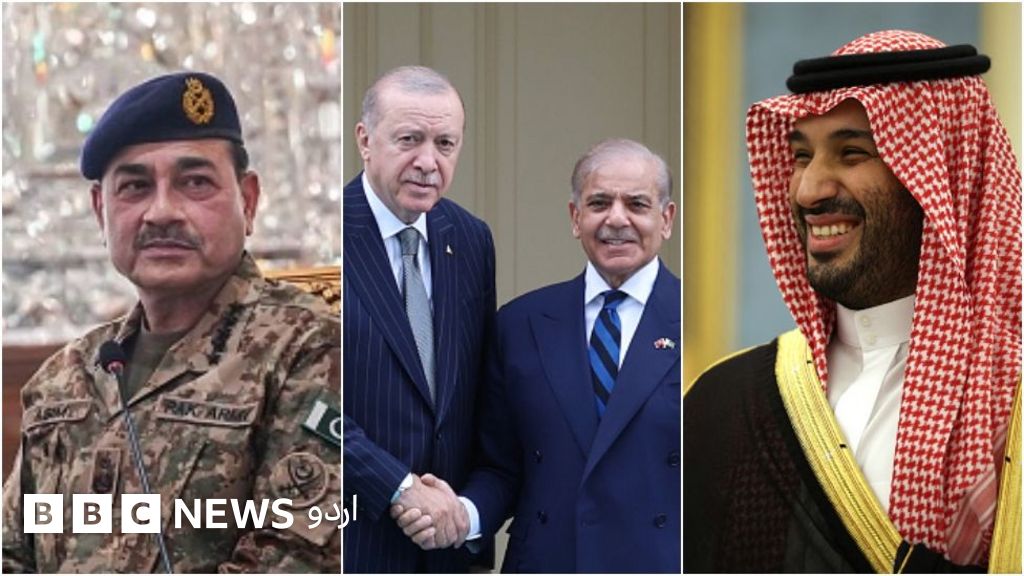
Pakistan, Turkey, and Saudi Arabia are set to sign a tripartite defense pact, with the agreement expected to be signed during a visit by Pakistani Prime Minister Shehbaz Sharif to Saudi Arabia. The pact is seen as a significant development in the region, with Turkey seeking to expand its influence in the Middle East.
Imagine three friends - Pakistan, Turkey, and Saudi Arabia - who want to work together to keep their neighborhood safe. They are signing a special agreement to help each other out in case of any trouble. This agreement is like a safety net for all three countries, and it will help them to be stronger and more secure together.
Analysis
Background
The tripartite defense pact between Pakistan, Turkey, and Saudi Arabia is a significant development in the region. The agreement is expected to be signed during a visit by Pakistani Prime Minister Shehbaz Sharif to Saudi Arabia, where he will meet with Saudi Crown Prince Mohammed bin Salman and Turkish President Recep Tayyip Erdogan.
The pact is seen as a significant development in the region, with Turkey seeking to expand its influence in the Middle East. Turkey has been seeking to strengthen its ties with Pakistan and Saudi Arabia in recent years, and the tripartite defense pact is a key part of this effort.
The agreement is expected to strengthen regional security and provide a counterbalance to Iran's influence in the region. Iran has been a major player in the region for decades, and the tripartite defense pact is seen as a way to counter its influence.
What Changed
The tripartite defense pact is a significant development in the region, and it marks a new era of cooperation between Pakistan, Turkey, and Saudi Arabia. The agreement is expected to strengthen regional security and provide a counterbalance to Iran's influence in the region.
The pact is also seen as a way to strengthen the regional security architecture. The agreement is expected to provide a framework for cooperation between the three countries on defense and security issues.
What's Next
The tripartite defense pact is a significant development in the region, and it marks a new era of cooperation between Pakistan, Turkey, and Saudi Arabia. The agreement is expected to strengthen regional security and provide a counterbalance to Iran's influence in the region.
The pact is also seen as a way to strengthen the regional security architecture. The agreement is expected to provide a framework for cooperation between the three countries on defense and security issues.
Key points
- Pakistan, Turkey, and Saudi Arabia are set to sign a tripartite defense pact.
- The agreement is expected to be signed during a visit by Pakistani Prime Minister Shehbaz Sharif to Saudi Arabia.
- The pact is seen as a significant development in the region, with Turkey seeking to expand its influence in the Middle East.
- The agreement is expected to strengthen regional security and provide a counterbalance to Iran's influence in the region.
- The pact is also seen as a way to strengthen the regional security architecture.
The tripartite defense pact between Pakistan, Turkey, and Saudi Arabia is a positive development for the region. It marks a new era of cooperation between the three countries and is expected to strengthen regional security. The agreement is also seen as a way to counter Iran's influence in the region, which is a major player in the region for decades.
The tripartite defense pact between Pakistan, Turkey, and Saudi Arabia may also have some negative consequences. For example, it may lead to increased tensions with Iran, which could have a negative impact on regional security. Additionally, the pact may also lead to increased military spending and a greater focus on defense, which could have a negative impact on the economy.