Pakistanis Borrow Historic High of Rs. 382 Billion to Buy Cars
Pakistanis are borrowing at a record pace to purchase vehicles, with auto financing climbing to an all-time high of Rs. 382 billion in June 2026, according to the latest official data.
Intelligence analysis by Llama
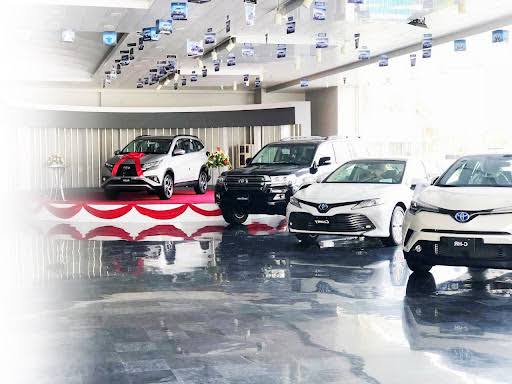
Pakistanis are borrowing a record Rs. 382 billion to buy cars, with a 38% year-on-year increase in auto financing. This growth is driven by stronger consumer confidence, improved access to financing, and rising demand in the automotive market.
Imagine you really want a new bike, but you don't have enough money to buy it. So, you ask your parents if you can borrow some money from them to buy the bike. This is kind of like what's happening in Pakistan, where people are borrowing money to buy cars. They're using this money to buy new cars, and it's helping the car industry grow.
Analysis
A $60B Vote of Confidence
Pakistanis are borrowing at a record pace to purchase vehicles, with auto financing climbing to an all-time high of Rs. 382 billion in June 2026, according to the latest official data. This milestone represents a 38% year-on-year increase, highlighting stronger consumer confidence, improved access to financing, and rising demand in the automotive market.
The growth extends beyond vehicle loans, as overall consumer financing—including home, personal, and credit card lending—also recorded significant gains. This trend is a positive sign for the economy, as it indicates that consumers are feeling more confident about their financial situations and are willing to take on debt to purchase big-ticket items like cars.
Meanwhile, Pakistan’s automobile production increased by more than 60% during the first 11 months of FY2025-26, reflecting the sector’s strong recovery and the positive impact of improved financing conditions on vehicle sales. This increase in production is a testament to the growing demand for vehicles in Pakistan and the ability of the automotive industry to meet that demand.
The implications of this trend are significant. As consumers continue to borrow at record levels, it is likely that the demand for vehicles will continue to grow, driving up sales and production in the automotive industry. This, in turn, could lead to increased economic activity and job creation in the sector.
However, it is also worth noting that this trend could have negative consequences if not managed properly. For example, if consumers continue to borrow at record levels, it could lead to a rise in debt levels and potentially even debt defaults. This could have a negative impact on the economy and the financial stability of consumers.
Overall, the trend of Pakistanis borrowing at record levels to purchase vehicles is a positive sign for the economy, but it also requires careful management to avoid potential negative consequences.
Key points
- Pakistanis are borrowing at a record pace to purchase vehicles, with auto financing climbing to an all-time high of Rs. 382 billion in June 2026.
- The growth extends beyond vehicle loans, as overall consumer financing—including home, personal, and credit card lending—also recorded significant gains.
- Pakistan’s automobile production increased by more than 60% during the first 11 months of FY2025-26, reflecting the sector’s strong recovery and the positive impact of improved financing conditions on vehicle sales.
If this trend continues, it could lead to increased economic activity and job creation in the automotive industry. Additionally, the growth in consumer financing could lead to increased spending and economic growth in other sectors.
However, if consumers continue to borrow at record levels, it could lead to a rise in debt levels and potentially even debt defaults. This could have a negative impact on the economy and the financial stability of consumers.