Pakistani’s Pay Rs. 130.75 in Taxes and Margins on Every Liter of Petrol
Fuel prices in Pakistan include a significant amount of taxes, levies, margins, and other charges that add to the final cost paid by consumers. Petrol carries an additional burden of Rs. 130.75 per litre through various charges beyond its underlying price.
Intelligence analysis by Llama
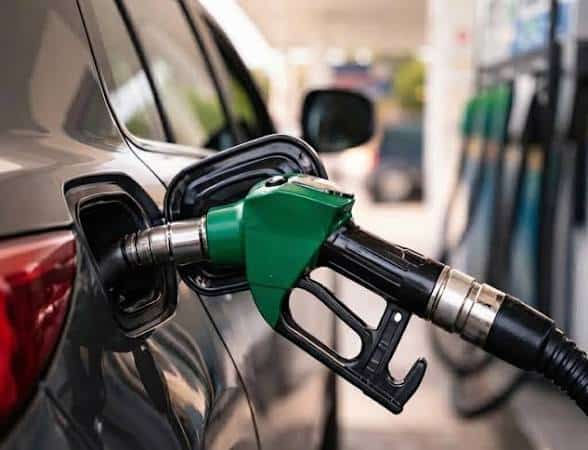
The article highlights how taxes and other regulated charges form a substantial portion of fuel prices in Pakistan, directly affecting transportation costs, businesses, and household expenses across the country.
Imagine you're filling up your car with petrol. The price you pay includes not just the cost of the petrol itself, but also a bunch of extra charges like taxes and fees. In Pakistan, these extra charges add up to a whopping Rs. 130.75 per litre of petrol. This makes it harder for people to afford fuel, which affects their daily lives and the country's economy.
Analysis
Taxes and Margins on Fuel Prices in Pakistan
The article reveals that fuel prices in Pakistan include a significant amount of taxes, levies, margins, and other charges that add to the final cost paid by consumers. This is particularly evident in the case of petrol, which carries an additional burden of Rs. 130.75 per litre through various charges beyond its underlying price. For high-speed diesel, the combined impact of taxes, levies, and margins is reported at Rs. 122.47 per litre, while its base cost stands at Rs. 245.82 per litre.
Impact on Transportation Costs and Businesses
The figures highlight how taxes and other regulated charges form a substantial portion of fuel prices, directly affecting transportation costs, businesses, and household expenses across the country. This has significant implications for the economy, as it can impact the competitiveness of businesses and the affordability of goods and services for consumers.
Government's Role in Regulating Fuel Prices
The government plays a crucial role in regulating fuel prices in Pakistan. The article suggests that the government should consider revising the tax structure to reduce the burden on consumers. This could involve reducing the taxes and levies imposed on fuel prices or introducing alternative measures to offset the impact of these charges.
Key points
- Fuel prices in Pakistan include a significant amount of taxes, levies, margins, and other charges that add to the final cost paid by consumers.
- Petrol carries an additional burden of Rs. 130.75 per litre through various charges beyond its underlying price.
- The government plays a crucial role in regulating fuel prices in Pakistan and should consider revising the tax structure to reduce the burden on consumers.
If the government revises the tax structure to reduce the burden on consumers, it could lead to lower fuel prices and reduced transportation costs for businesses and households. This could have a positive impact on the economy, making it more competitive and affordable for consumers.
If the government fails to address the issue of high fuel prices, it could lead to increased transportation costs, reduced competitiveness for businesses, and higher costs for consumers. This could have a negative impact on the economy and daily life in Pakistan.