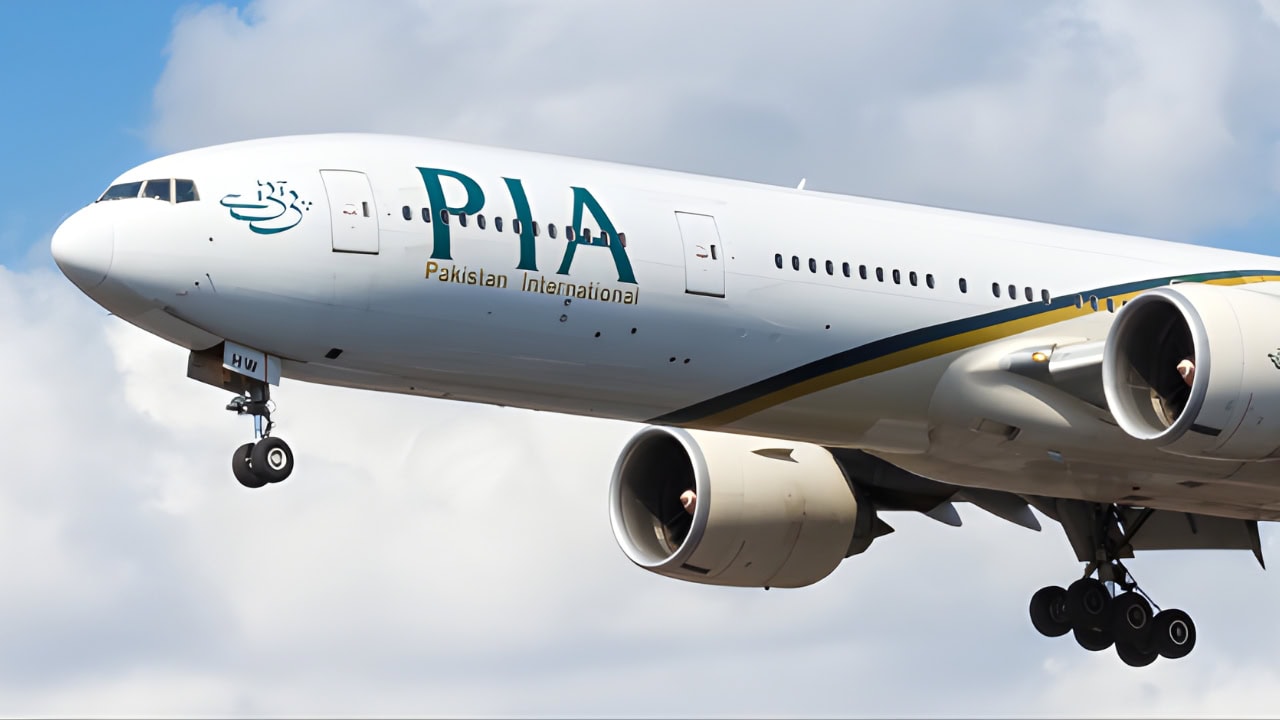
Pakistan's seventh spot LNG deal hits record $21.88/MMBtu price
Pakistan has bought its seventh spot LNG cargo since QatarEnergy declared force majeure in March, paying $21.88 per million British thermal units (MMBtu), the highest price it has paid since March 2026.
Intelligence analysis by Llama
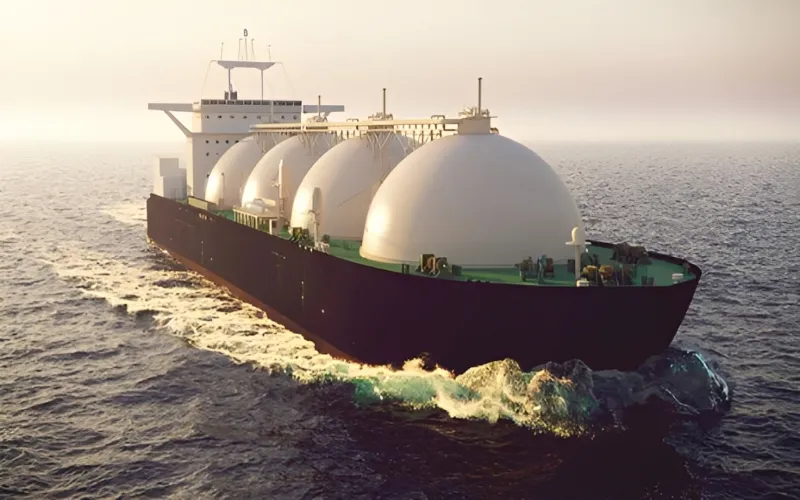
Pakistan has purchased its most expensive LNG spot cargo by approving the procurement at USD 21.88 per MMBtu. The LNG cargo is scheduled to arrive between July 27 and 28.
Pakistan has bought a lot of expensive gas to make electricity. This is because there are problems with the gas they usually get from Qatar, so they have to buy it from other places at a higher price.
Analysis
A $60B Vote of Confidence
Pakistan's seventh spot LNG deal is a record-breaker, with the country paying $21.88 per million British thermal units (MMBtu) for the cargo. This is the highest price Pakistan has paid since March 2026, when QatarEnergy declared force majeure following an attack on its Ras Laffan LNG production complex linked to escalating tensions in the Strait of Hormuz. The disruptions have forced Pakistan to rely on expensive spot market purchases, with the country's LNG import costs significantly increasing. LNG based power generation currently costs around Rs35.5 per unit, and in June 2026, LNG fired plants generated 1,480 GWh, accounting for 11.02% of Pakistan's total electricity output. The purchase of the latest cargo marks Pakistan's seventh spot LNG cargo since QatarEnergy's force majeure declaration, and underscores the country's growing reliance on expensive spot market imports. The shift toward spot procurement has significantly increased Pakistan's LNG import costs, since spot prices remain well above long-term contract rates.
Why Cursor?
The ongoing supply disruptions linked to tensions in the Strait of Hormuz have forced Pakistan to rely on expensive spot market purchases. The country's LNG import costs have significantly increased, with the latest cargo being the most expensive one purchased since March 2026. The disruptions have also led to a shift in Pakistan's LNG procurement strategy, with the country increasingly relying on spot market imports. This has resulted in a significant increase in Pakistan's LNG import costs, with the latest cargo being the most expensive one purchased since March 2026.
The Road Ahead
The purchase of the latest cargo marks Pakistan's seventh spot LNG cargo since QatarEnergy's force majeure declaration, and underscores the country's growing reliance on expensive spot market imports. The shift toward spot procurement has significantly increased Pakistan's LNG import costs, since spot prices remain well above long-term contract rates.
Key points
- Pakistan has bought its seventh spot LNG cargo since QatarEnergy declared force majeure in March.
- The cargo was purchased at $21.88 per million British thermal units (MMBtu), the highest price paid since March 2026.
- The disruptions have forced Pakistan to rely on expensive spot market purchases, with the country's LNG import costs significantly increasing.
- LNG based power generation currently costs around Rs35.5 per unit, and in June 2026, LNG fired plants generated 1,480 GWh, accounting for 11.02% of Pakistan's total electricity output.
If the supply disruptions are resolved, Pakistan's LNG import costs may decrease, and the country may be able to rely on its long-term supply contract again.
If the tensions in the Strait of Hormuz continue, Pakistan's LNG import costs may remain high, and the country may continue to rely on expensive spot market purchases.