Pakistan’s Solar Capacity Hits 31000MW, Beats Peak Summer Power Demand
Pakistan’s installed solar capacity has crossed 31,000MW, overtaking peak summer demand of about 29,000-30,000MW.
Intelligence analysis by GPT-5.4 Mini
Pakistan’s solar buildout has reached a new high, with installed capacity now above the country’s peak summer power demand. The article says the surge is being driven by high electricity prices, outages, and cheaper panels, while also raising grid-management questions.
Pakistan has put up so many solar panels that they can now make more power than the hottest summer days usually need. It is like having more water taps than a house can use at once, but the pipes still need fixing so everything keeps flowing smoothly.
Analysis
A new solar milestone
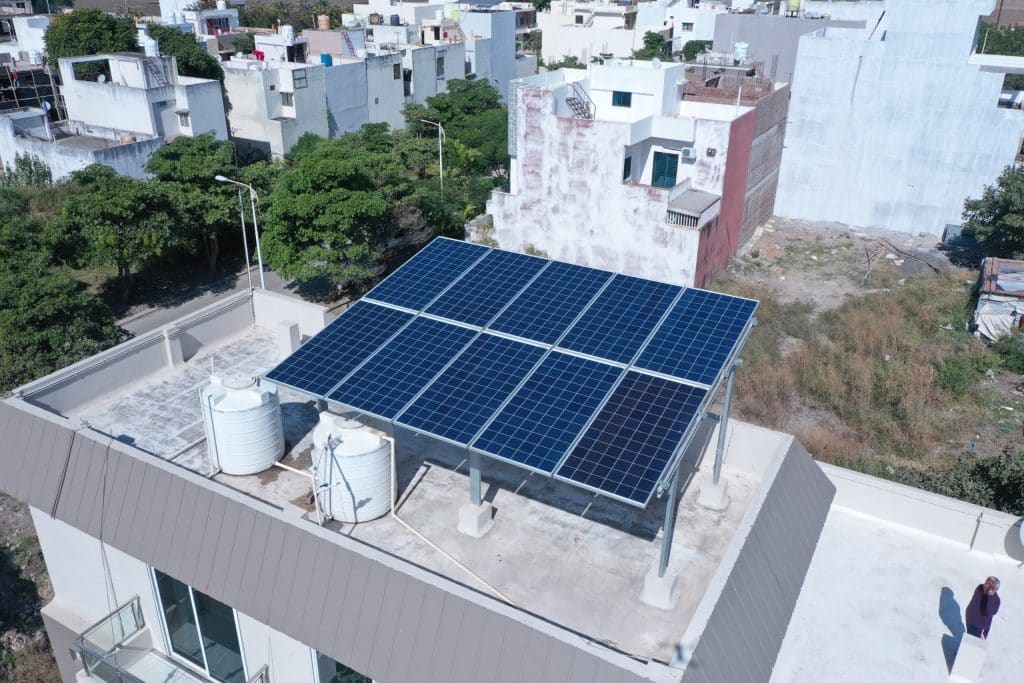
Pakistan’s installed solar capacity has climbed past 31,000MW, according to official documents and recent reports cited in the article. That total includes both grid-connected and off-grid systems, and the piece says it is now higher than peak summer electricity demand, which is around 29,000-30,000MW.
What is driving the surge
The article attributes the growth to a mix of rising electricity prices, repeated power outages, and the falling cost of solar panels. It says households, businesses, farmers, and industries have all turned to solar to reduce bills and gain more control over their energy use.
What the shift changes
The story frames solar as a major force in Pakistan’s energy landscape. Net-metered systems connected to the grid have reached 12,296MW, while off-grid installations contribute more than 18,900MW. The article says this has reduced pressure on the expensive national grid and helped save billions of dollars in oil and gas imports.
The remaining challenge
The piece also notes that the growth brings problems of its own, especially grid stability and new rules around net metering. In other words, the headline achievement is not just about adding more panels; it is also about whether the wider power system can adapt to a faster, more distributed energy market.
Key points
- Pakistan’s total installed solar capacity has crossed 31,000MW.
- The figure now exceeds peak summer demand of roughly 29,000-30,000MW.
- Net-metered solar systems account for 12,296MW, according to the article.
- Off-grid solar installations contribute more than 18,900MW.
- The boom is linked to high power costs, outages, and cheaper panels.
If this growth continues, more people and businesses could cut electricity costs and rely less on expensive fuel imports. The article suggests solar could keep easing pressure on the national grid while supporting a cleaner energy future.
The article warns that grid stability and net metering rules could become bigger problems as more solar is added. If the system cannot adjust, the benefits of the solar boom could be limited by technical and policy bottlenecks.