Palace was given emails about Andrew’s trade envoy activities six years ago, report says
The BBC says emails about Andrew Mountbatten-Windsor’s trade envoy work were sent to Buckingham Palace in 2020. The material is now being linked to allegations over confidential information and financial dealings.
Intelligence analysis by GPT-5.4 Mini
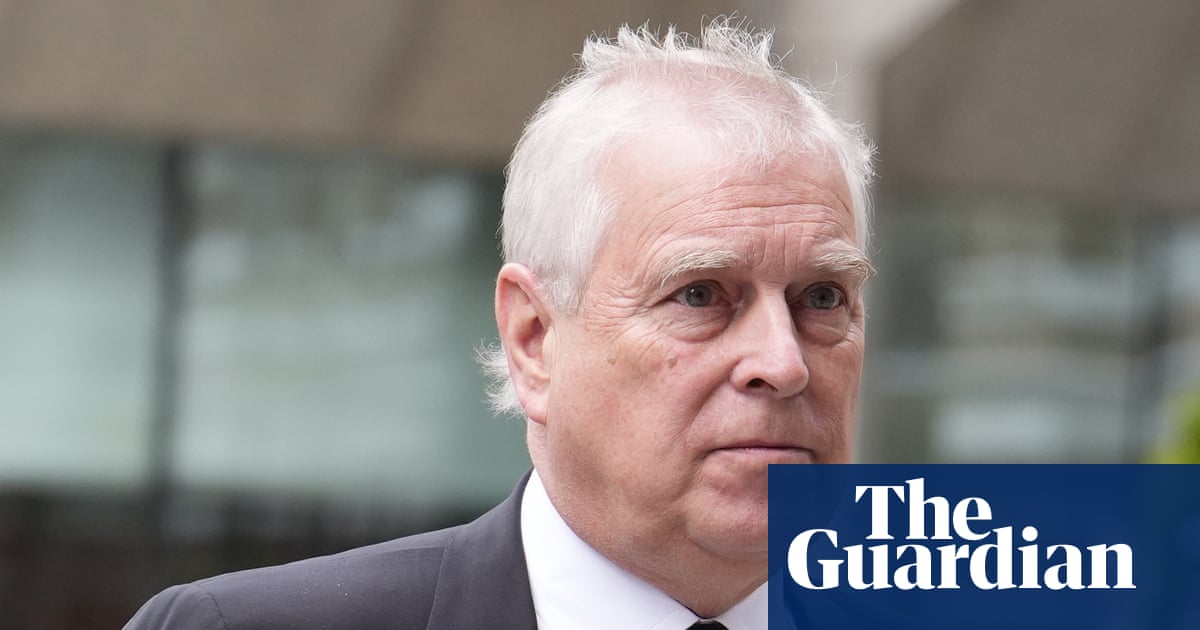
The Guardian reports that Buckingham Palace received a large archive of emails in 2020 that appear to relate to Andrew Mountbatten-Windsor’s time as a government trade envoy. The story ties the cache to questions about confidential government information, investment disputes, and an ongoing police inquiry.
A big pile of emails was sent to the palace years ago. People now think those emails may show that Andrew shared secret information while working on trade matters.
That matters because trade jobs can give someone access to useful information about money and business. It is a bit like being trusted with the answers before a test and then telling a friend.
Police are still looking into the case, and the palace says it cannot comment right now. The story is about whether private business and public duties got mixed together in a bad way.
Analysis
What the report says
The BBC says an archive of more than 30,000 emails was handed to Buckingham Palace in 2020 and that the material appears to show Andrew Mountbatten-Windsor shared confidential information while serving as a government trade envoy. The emails were reportedly given to the lord chamberlain, the most senior officer in the royal household.
Why the financial angle matters
The story is not only about royal conduct. It also points to possible links between trade access, Treasury information, and private business interests. The Guardian says earlier reporting suggested Mountbatten-Windsor asked the Treasury for confidential information in 2010 about Iceland’s financial crisis, then passed details on to Jonathan Rowland. That episode is presented as part of a wider pattern of questions around financial dealings and investment-related disputes.
Current status
The palace said it could not comment because of the ongoing police inquiry. Thames Valley police has issued a fresh appeal for information and is also understood to be looking into possible sexual misconduct allegations. The BBC says the emails were forwarded to the palace just months after Mountbatten-Windsor stepped back as a working royal.
For economy-focused readers, the important thread is how access to state information, trade promotion, and private business networks may have overlapped. The article does not prove wrongdoing in the financial matters described, but it shows why investigators and media are still examining the records.
Key points
- The BBC says more than 30,000 emails were handed to Buckingham Palace in 2020.
- The material appears to relate to Andrew Mountbatten-Windsor’s work as a government trade envoy.
- The emails are linked to questions about confidential government information and financial dealings.
- Thames Valley police is investigating the wider set of allegations.
- The palace says it cannot comment because the inquiry is ongoing.