Parents find lifeline in 50p kids' clothes shop
A Bristol shop selling second-hand children's clothes from 50p is growing fast as families look for cheaper ways to cope with rising living costs.
Intelligence analysis by GPT-5.4 Mini
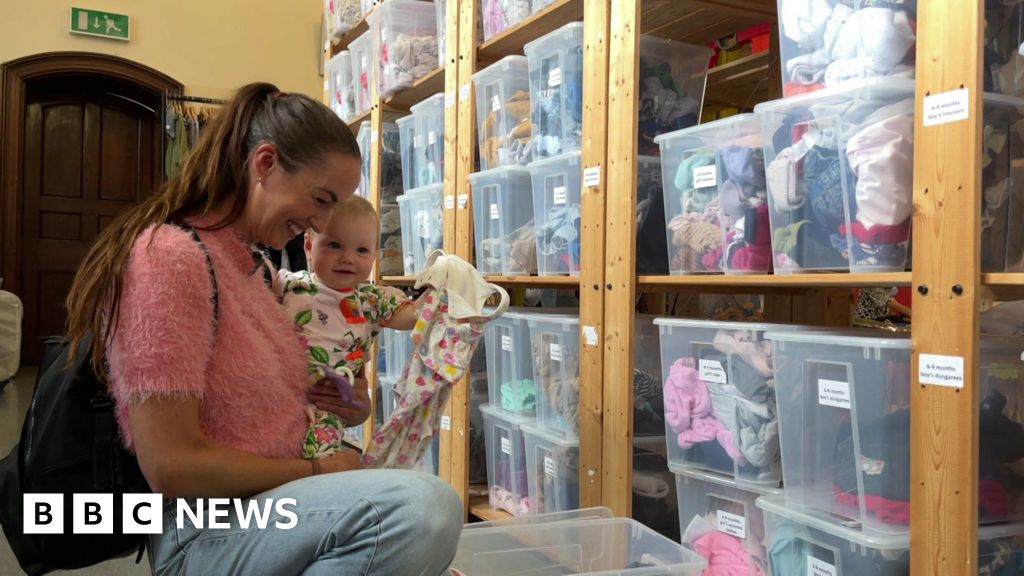
Kids Stuff in Bedminster began as a monthly pop-up in late 2024, but rising demand from budget-conscious parents could push it to five days a week by the end of 2026. The shop mixes low-cost clothing with meals, play space and referral support for families in crisis.
This shop is like a treasure chest for families: it sells kids' clothes very cheaply, sometimes for just 50p. Parents go there because new clothes cost too much, and the shop also gives meals and a place for children to play.
Analysis
What is happening
In Bristol, a second-hand children's clothes shop called Kids Stuff is seeing strong demand as families try to stretch shrinking budgets. The shop started as a once-a-month pop-up in late 2024, inspired by a similar project in Stroud, but founder Kyle Henderson-Begg says the business may expand to five days a week by the end of 2026.
Why parents are coming
The article says the cost of everyday children's clothing has risen by at least 30% since 2021, based on Consumer Price Index data. Kids Stuff keeps prices low, with baby clothes starting at 50p and older children's items costing only a few pounds. Henderson-Begg says some parents dislike buying bundles online because they cannot check quality first; in the shop, the clothes are on display and can be inspected before purchase.
More than a shop
The business is also built around community support. Families can get a "pay what you can" hot meal, children can use a soft play area, and referral organisations can connect families in crisis to the shop. That includes women escaping domestic abuse and refugees. Henderson-Begg estimates around 10 new families are referred each month, and instead of pre-packed bundles, they receive vouchers so they can choose what they need.
What customers say
Parents quoted in the article describe the shop as more realistic and affordable than alternatives, including some charity shops they now find expensive. Another shopper says sustainability matters too, because children quickly outgrow clothes and fast fashion feels wasteful. The piece ends with practical advice from another second-hand children’s clothing seller on buying ahead, choosing durable items, and relying on local second-hand networks.
Key points
- Kids Stuff in Bristol is seeing strong demand for low-cost second-hand children's clothing.
- Baby items start at 50p, with older children's clothes priced at only a few pounds.
- The shop also offers meals, soft play, and referral support for families in crisis.
- The article says children's clothing prices have risen by at least 30% since 2021.
- Some parents say even charity shops now feel too expensive for tight budgets.
If demand keeps rising, the shop could expand its opening hours and help more local families buy clothes they can actually afford. Its referral system and voucher model could also give more people dignity and choice when money is tight.
The same cost-of-living pressure that creates demand could also keep growing, making it hard for families to afford even second-hand items. If prices, rent or operating costs rise, the shop may struggle to maintain its low-price model while expanding.